Understanding the Challenges of Older Homes
Older homes hold a distinctive charm with their architectural designs, often evoking a sense of nostalgia and tradition. However, when it comes to energy efficiency, these homes present several challenges. A significant number of these homes were constructed in eras that did not prioritize or even consider modern energy-saving standards. As a result, they often exhibit poor insulation, possess single-pane windows, and have outdated heating and cooling systems. Enhancing energy efficiency in these older residences is typically a multi-faceted process, requiring both structural improvements and adjustments in the occupants’ daily habits.
Insulation and Air Sealing
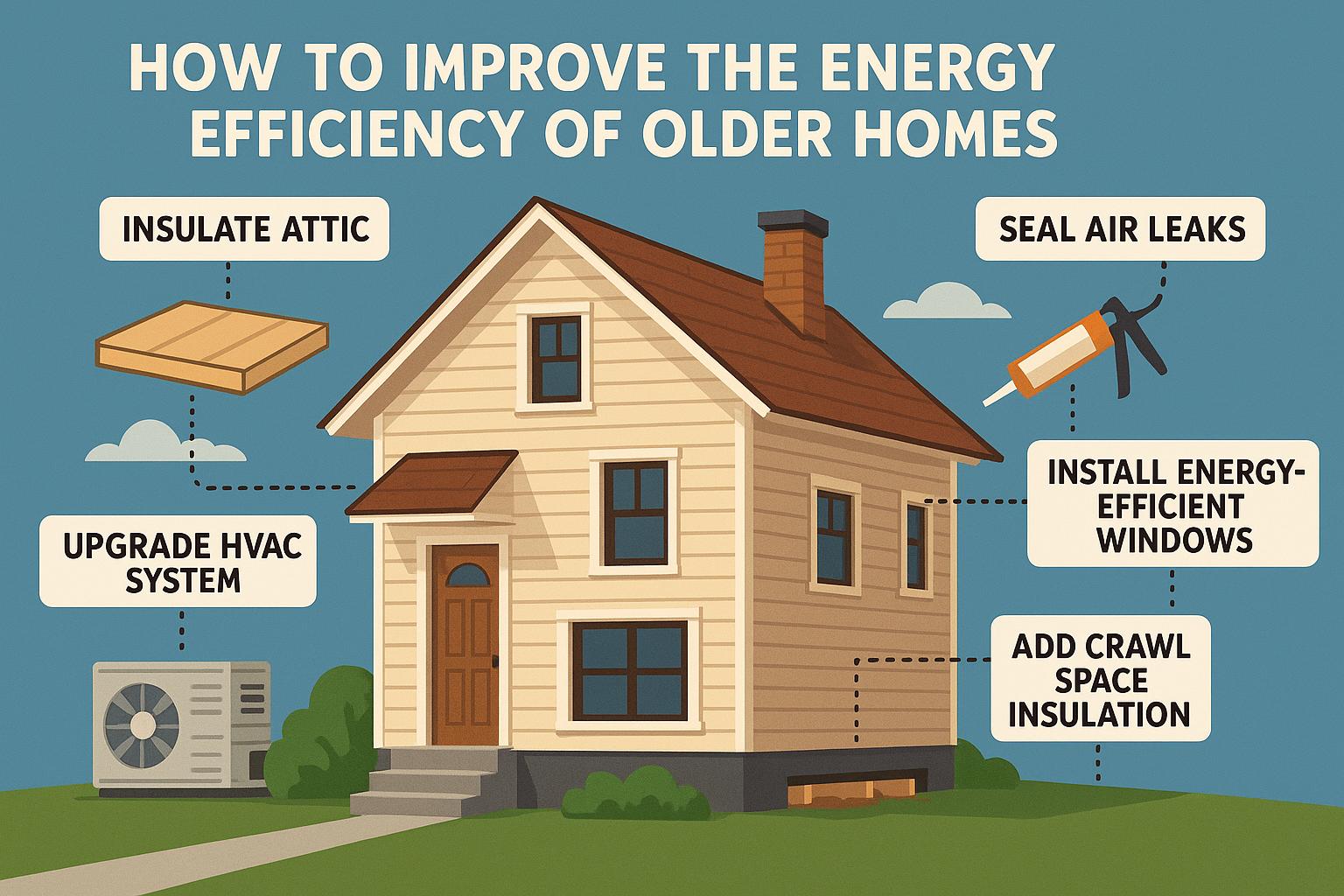
Insulation plays a pivotal role in improving a home’s energy efficiency. It acts as a barrier to heat flow and is essential for keeping heat inside during winter and outside during summer. Many older homes fall short in this area, especially in critical spaces such as attics, walls, and basements. Enhancing or replacing the existing insulation in these areas can make a substantial difference in curbing energy loss.
Air sealing complements insulation by addressing gaps and cracks through which air might escape or enter. Using weatherstripping around doors and windows, applying caulk to fill cracks, and otherwise sealing air leaks are measures that significantly curtail drafts and prevent conditioned air from escaping. This practice contributes to a more stable and comfortable indoor temperature, enhancing the home’s overall energy efficiency.
Window Upgrades
Windows are another important factor in the energy-efficiency equation. Many older homes are equipped with single-pane windows, which offer minimal insulation against outside temperatures. Upgrading to double- or triple-pane windows is a valuable investment to improve the home’s thermal efficiency. These modern windows are designed to reduce heat loss and minimize noise intrusion.
If the replacement of windows is not a viable option due to budgetary constraints or historical preservation concerns, alternative methods can be employed. Adding storm windows is one effective solution. Using window films provides an additional layer that helps mitigate heat transfer. Installing heavy curtains or thermal blinds can also enhance insulation by acting as a physical barrier against heat loss or gain, depending on the season.
Heating and Cooling Systems
Heating and cooling systems in older homes are often outdated and less efficient compared to contemporary models. Consider upgrading these systems to reduce energy usage significantly. Not only do modern systems operate more efficiently, but they also incorporate technology aimed at reducing energy consumption while maintaining or even enhancing comfort levels within the house.
Regular maintenance of these systems is crucial to their performance and longevity. This includes routine tasks such as cleaning or replacing filters. Additionally, introducing technology such as programmable or smart thermostats can have a considerable impact. These devices allow homeowners to better manage heating and cooling settings, optimizing energy use when the house is vacant or adjusting to off-peak times, thereby conserving energy and cutting costs.
Lighting and Appliances
Transitioning to energy-efficient lighting is an easy yet effective way to reduce energy consumption in older homes. Incandescent bulbs, which are typically found in these homes, should be replaced with LED or CFL alternatives. These modern bulbs consume significantly less energy and boast a longer lifespan, which translates to cost savings over time.
The appliances found in older homes are often outdated and inefficient, leading to increased energy consumption. Upgrading to appliances with the Energy Star label can result in substantial reductions in energy use. These appliances have been tested to meet rigorous energy efficiency standards, which not only helps in saving energy but also in reducing utility bills.
Additional Considerations
To further enhance energy efficiency, integrating renewable energy sources is worth considering. While the initial cost of installing solar panels can be significant, the long-term reduction in energy bills can offer considerable savings, in addition to reducing the environmental footprint. Moreover, local utilities or governments often provide rebates or incentives for implementing energy efficiency upgrades, making them more accessible and cost-effective.
By undertaking these changes, homeowners not only contribute positively to environmental preservation by lowering their carbon footprint but also experience a range of benefits such as increased comfort levels and decreased utility expenses. Those seeking more detailed guidance on energy efficiency improvements could benefit from consulting with a local energy auditor or exploring resources such as the Department of Energy’s website. These resources offer valuable insights and assistance tailored to specific needs and circumstances, ensuring that older homes can be both charming and efficient.