Understanding the Basics of a Smart Energy Storage System
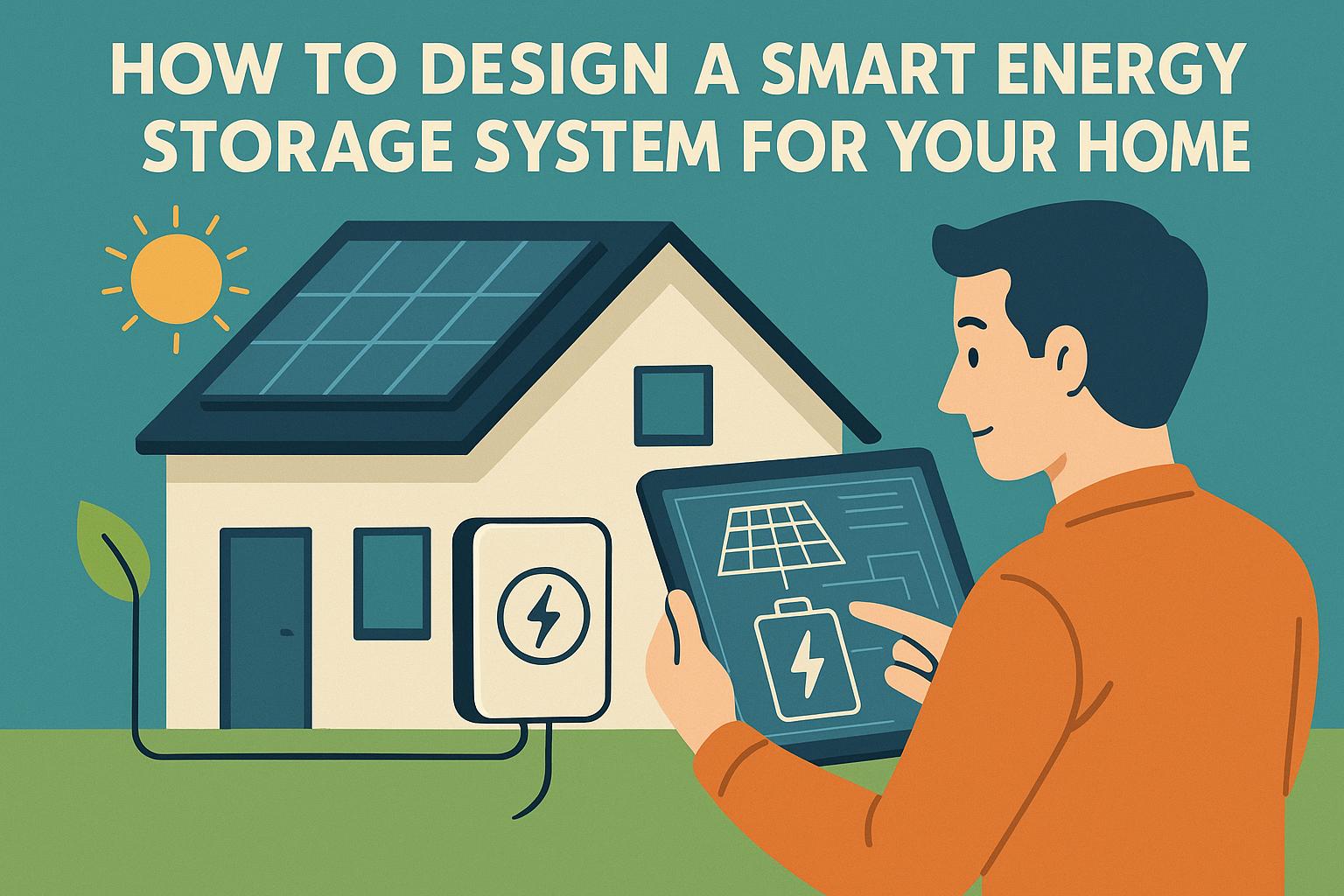
Designing a smart energy storage system for your home requires a strong grasp of various components and their interaction. At its core, such a system is designed to store energy for later use, optimizing efficiency and ensuring reliability in power supply. This approach not only provides a backup supply for times when energy production is low or consumption is high but also assists in managing energy costs by optimizing when energy is consumed from the storage unit versus the grid.
To better understand how these systems work and how you can benefit from them, let’s delve deeper into some critical concepts that are foundational to smart energy storage systems.
Components of a Smart Energy Storage System
A typical smart energy storage system comprises several key components, each playing integral roles in its functionality and efficiency. These include batteries, inverters, and a management system.
Batteries are crucial for their role in storing the energy. Various types of batteries are used, with common chemistries being lithium-ion and lead-acid. Lithium-ion is favored for its high energy density and longer lifespan, whereas lead-acid batteries are often more affordable but come with a shorter life expectancy and higher maintenance requirements.
Inverters are significant because they convert the stored DC (Direct Current) power into AC (Alternating Current) power, which is suitable for household use. This conversion ensures that the energy stored in batteries can actually be utilized by home appliances and systems efficiently.
An energy management system plays a pivotal role in monitoring and optimizing the performance of the entire setup. It ensures that energy is stored and discharged as needed, maximizing the efficiency of usage and ensuring that power is available when required.
Selecting the Right Battery Technology
Choosing the right battery technology relies heavily on understanding your energy needs and financial constraints. The benefits and limitations of lithium-ion versus lead-acid batteries must be weighed carefully. Lithium-ion batteries, for example, offer high energy density, which means they can store more energy in less space. They also have better charging efficiency, which ensures that less energy is wasted during the storage process. Conversely, lead-acid batteries are often preferred for their lower cost, though they may involve more frequent replacements and higher maintenance.
Determining System Capacity
System capacity is determined by your household’s energy consumption patterns. Analyzing historical energy usage data or using a smart meter are effective methods for gaining accurate insights. It’s essential to size your battery system correctly to ensure it meets your daily energy needs without incurring unnecessary expenditure. This means understanding your peak energy times and ensuring that your storage system is adequately sized to handle these loads comfortably.
Integrating Renewable Energy Sources
To fully harness the benefits of a smart energy storage system, integrating renewable energy sources such as solar panels or wind turbines is often recommended. This integration not only enhances sustainability but can significantly reduce dependency on the power grid, leading to potential cost savings. The combination of renewable energy and storage offsets costs by allowing you to store excess energy generated during peak production times (sunny or windy days) and use it when production is low or demand is high. For a more comprehensive understanding of solar integration, valuable resources are available from organizations such as the U.S. Department of Energy.
Design Considerations for Efficiency
Efficiency is a critical aspect when designing a smart energy storage system. The installation location is crucial; batteries should be in a temperature-controlled environment to enhance longevity and performance. Extreme temperatures can degrade battery efficacy and lifespan over time.
Incorporating energy management software becomes invaluable in not only monitoring energy use but optimizing it. This software can track usage patterns and adjust storage and discharge rates accordingly, ensuring power is utilized efficiently and wastage is minimized.
Safety Measures
Safety is paramount when it comes to energy storage systems. Ensure that the system is installed by qualified professionals who adhere to local building codes and regulations. Incorporating essential safety features in the design, such as circuit breakers and surge protectors, can mitigate potential electrical faults and any resultant damage. Proper ventilation and secure housing for battery units also contribute to the safety of your system.
Cost Considerations
Budgeting is a critical element in the design and implementation of a smart energy storage system. It’s important to consider not only the initial investment cost but also the potential long-term savings on energy bills and any government incentives available to offset installation costs. These incentives can be researched through resources like the U.S. Department of Energy, which provide updated information on financial support for renewable energy systems.
Monitoring and Maintenance
Implementing a robust maintenance routine ensures that the system runs effectively throughout its lifespan. Regular monitoring of system performance through the management software is recommended. Professional inspections should be scheduled periodically to identify and address potential issues early, thus maintaining system efficiency and reliability. With proper maintenance, the lifespan of components can be maximized, reducing the need for premature replacements and ensuring optimal performance.
Conclusion
Designing a smart energy storage system for your home is a feasible and advantageous undertaking, contributing to substantial energy savings and enhancing your home’s energy independence. By understanding the key components, making informed technology and capacity choices, prioritizing efficiency, and adhering to safety protocols, you can effectively implement a system that meets your energy needs both sustainably and economically. This way, a smart energy storage system is not just a means of energy efficiency but also a practical approach to future-proofing your energy consumption.