The Benefits of Reflective Roofing Materials
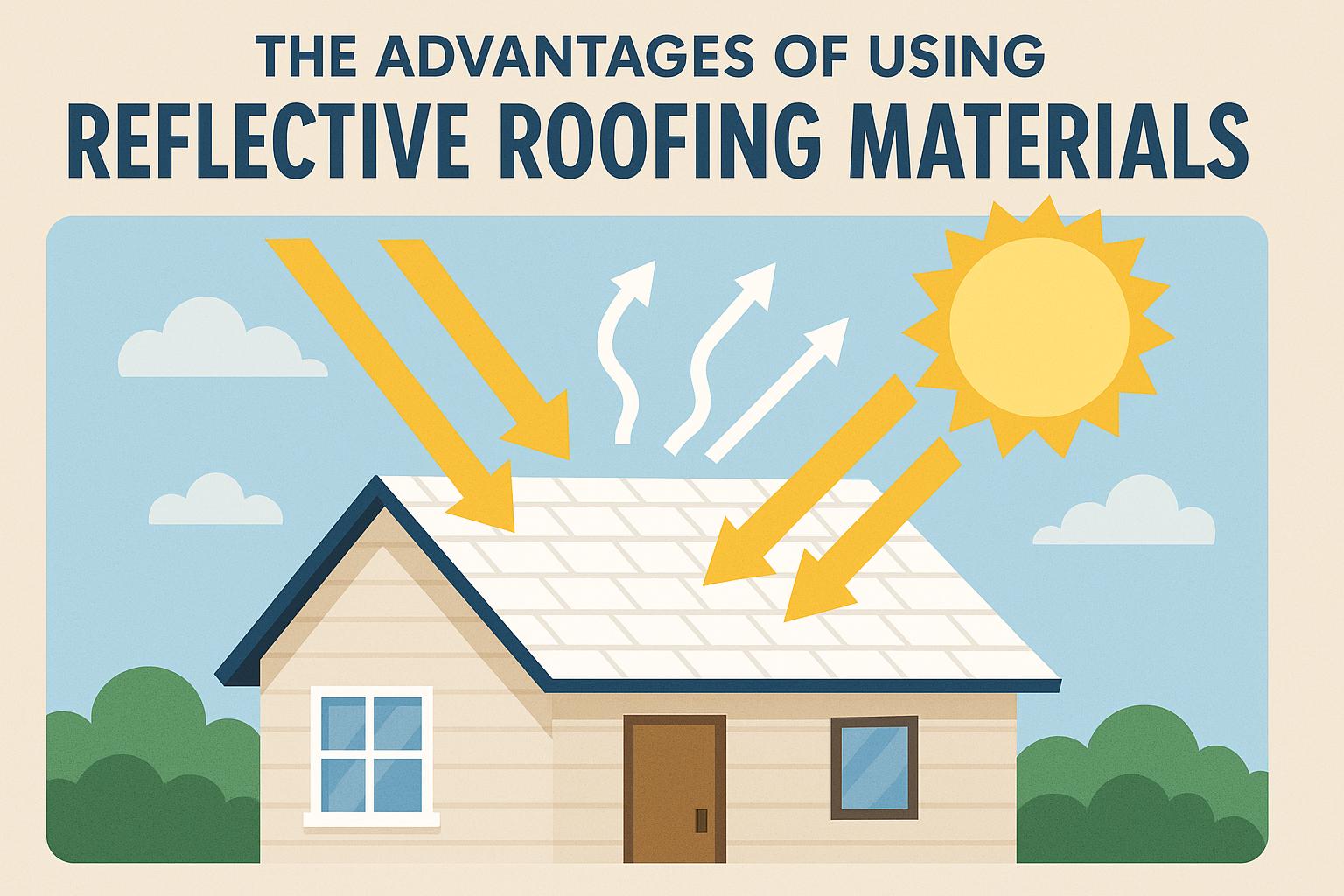
Reflective roofing materials are increasingly garnering attention for their contribution to energy efficiency and environmental benefits. These specialized roofing solutions are unique due to their ability to reflect a higher amount of sunlight and absorb less heat than conventional roofing materials. In the following sections, we will explore the various advantages of employing reflective roofing materials and how they can make a tangible difference in both residential and commercial settings.
Energy Savings
A primary benefit of reflective roofing materials is their significant impact on energy consumption reduction. By effectively reflecting sunlight, these roofing systems aid in maintaining cooler indoor temperatures within buildings. The consequence of this natural cooling effect is a decreased dependency on air conditioning systems, which in turn translates to lower energy bills for property owners. According to insights provided by the U.S. Department of Energy, implementing a reflective roof can reduce the cooling demand of a building by 10-15%. This percentage reduction is not only beneficial for short-term energy bill savings, but it also accumulates substantial financial savings over the lifespan of the roof.
Increased Roof Longevity
Reflective roofing materials contribute significantly to enhancing the durability and longevity of roofs. By minimizing the heat absorbed by the roofing structure, these materials help reduce the extent of thermal expansion and contraction cycles experienced during daily temperature fluctuations. Limiting these cycles result in a reduction of inevitable wear and tear associated with traditional roofing materials. Consequently, the lifespan of reflective roofs can often extend beyond that of conventional alternatives, leading to decreased frequencies of repairs and replacements. This extended longevity is an environmentally considerate choice, as it curtails waste production and reduces the overall consumption of resources required for roof maintenance and replacement.
Environmental Impact
The role of reflective roofing extends beyond economic advantages to encompass significant environmental benefits. A byproduct of reduced dependency on air conditioning is the lowering of greenhouse gas emissions, which is a pivotal factor in combating climate change. An additional environmental merit of reflective roofing is its effect on the urban heat island phenomenon. This effect occurs when urban areas become notably warmer than their rural counterparts, primarily due to human activities and infrastructural elements. By incorporating more sunlight reflectivity, reflective roofing materials contribute to cooler environments in urban settings, making cities more agreeable places to live during heightened temperatures. This reduction in urban heat not only enhances the quality of life but also alleviates strain on energy resources during peak demand periods.
Aesthetic Flexibility
Beyond the functional and environmental advantages, modern reflective roofing materials are designed with aesthetic considerations in mind. They are available in numerous styles and color options, allowing property owners to choose solutions that align with their aesthetic preferences and the architectural style of their buildings. This aesthetic versatility ensures that opting for energy-efficient and environmentally friendly roofing does not come at the expense of visual appeal. As a result, businesses and homeowners can integrate these materials into their properties seamlessly, enhancing both the overall look and the functional efficiency of their buildings.
In summary, reflective roofing materials offer a multifaceted solution that addresses energy consumption, environmental impact, and aesthetic preferences. By reflecting more sunlight and absorbing less heat, these roofing systems stand as an advanced alternative to traditional materials, promising economic benefits through reduced energy costs and extended roof lifespan. Environmentally, they aid in the mitigation of greenhouse gas emissions and the urban heat island effect, making them a sustainable choice for the future.
For more detailed insights into the benefits and varieties of reflective roofing materials, exploring resources and guidelines from industry experts such as the Cool Roof Rating Council can be highly beneficial. These organizations provide valuable information to help property owners make informed decisions regarding their roofing system investments.