Understanding Energy-Efficient Paints and Finishes
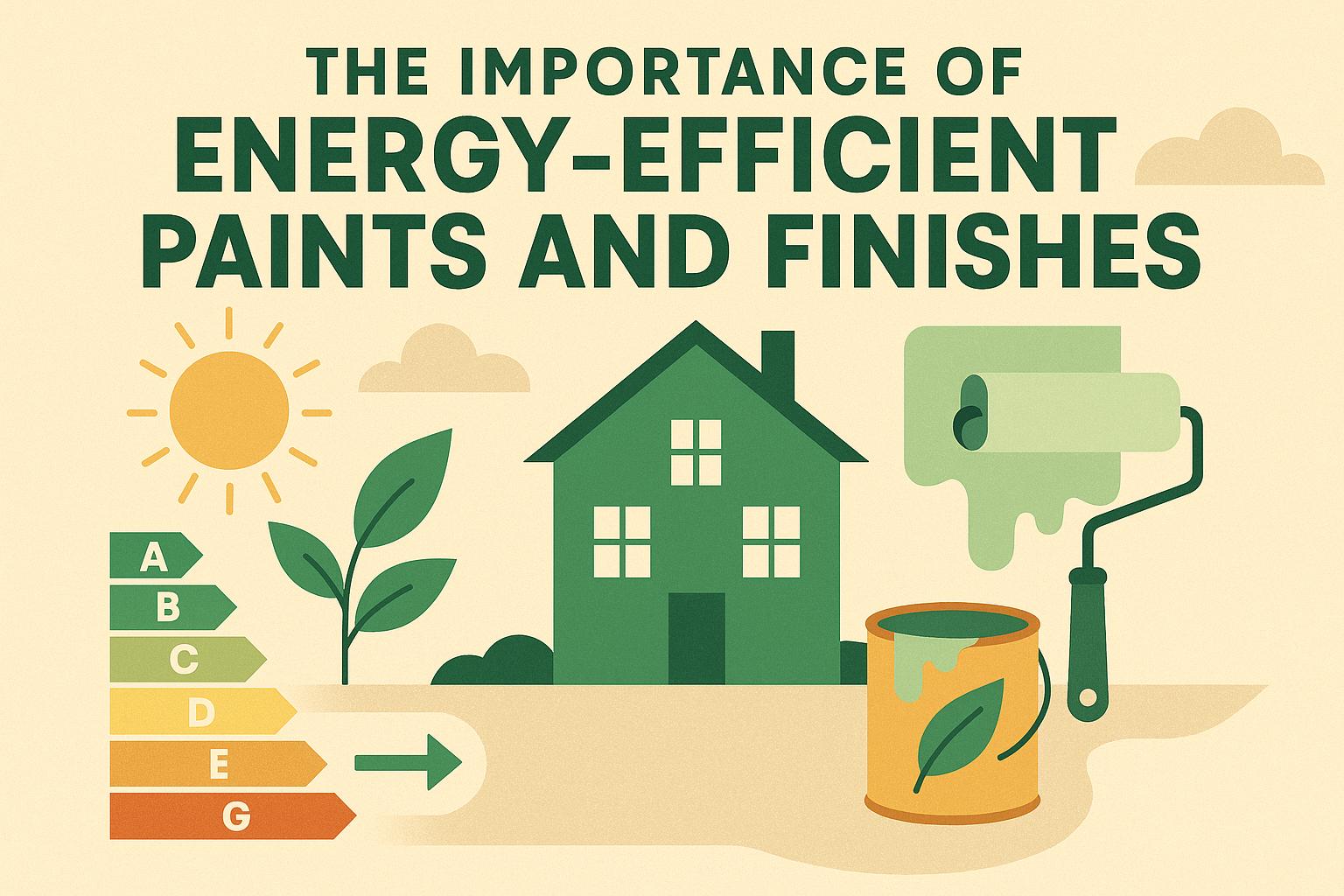
In recent years, the drive for sustainable living and construction practices has highlighted the importance of integrating energy-efficient building materials. An increasingly recognized contributor to this effort is the incorporation of energy-efficient paints and finishes in architectural design. These innovative coatings enhance the energy performance of both residential and commercial buildings, playing a pivotal role in reducing overall energy consumption. This article delves into the multifunctional benefits and the various applications of energy-efficient paints and finishes, providing a thorough understanding of their role in sustainable living.
What Are Energy-Efficient Paints and Finishes?
Energy-efficient paints and finishes are advanced coatings conceived to elevate the thermal performance of structures. These products are a hybrid composition of specialized additives designed to reflect and manage the flow of radiant energy, particularly solar radiation. As a result, they play a vital role in regulating internal temperatures, thereby minimizing the necessity for extensive heating and cooling interventions.
Components and Functionality
The foundational elements that give energy-efficient paints their functionality are reflective pigments and insulating materials. The reflective pigments embedded in these coatings act as solar reflectors. They deflect sunlight, averting excessive heat absorption, and contribute to the cooling effect on buildings. The insulating materials, conversely, fortify the thermal resistance of the structure. By establishing a protective thermal barrier, they mitigate the internal transfer of external climatic conditions, effectively maintaining a stable thermal environment within the building.
Application Areas
Energy-efficient paints and finishes are versatile and can be applied to a plethora of surfaces within and outside a building. Their strategic application leverages their thermal management capabilities to optimize building performance.
Roofs and Exterior Walls: These surfaces receive substantial exposure to the sun and can greatly benefit from the application of reflective paints. Coating roofs and exterior walls with these products minimizes solar heat absorption and thus plays a significant role in reducing the cooling demands of a building.
Floors and Interiors: Application within the building’s interior not only contributes to a stable room temperature but also enhances the overall comfort of the inhabitants. This balance in temperature aids in energy conservation as dependency on heating systems diminishes.
Benefits of Using Energy-Efficient Paints
The implementation of energy-efficient paints offers a myriad of benefits that resonate with both economic and environmental efficiencies.
Reduced Energy Costs
One of the primary advantages of adopting these advanced coatings is the reduction in energy expenses. By reinforcing the thermal armor of a building, energy-efficient paints significantly decrease the reliance on air conditioners and heating units. This reduction in the use of artificial climate control translates into tangible cost savings for property owners.
Environmental Impact
The environmental benefits are equally compelling. Lower energy consumption directly correlates with a reduction in greenhouse gas emissions, thereby shrinking the overall carbon footprint of buildings. Such environmentally conscious steps align with global initiatives aimed at fostering sustainability and mitigating climate change.
Enhanced Comfort
Comfort levels within a building are greatly improved due to the stable temperature conditions that energy-efficient paints help maintain. The ability of these coatings to manage temperature fluctuations effectively contributes to a more congenial and health-promoting indoor environment.
Longevity and Durability
Energy-efficient paints are not only functional but are also engineered for durability. Their robust composition assures long-lasting surface protection, reducing the frequency of repainting cycles. This attribute makes them a cost-effective choice in the long term.
Challenges and Considerations
Despite the numerous benefits of energy-efficient paints, certain challenges and considerations must be acknowledged to maximize their potential.
Initial Costs: The upfront expenditure associated with these products is often higher than that of conventional paints. However, it is crucial to assess these initial costs within the context of projected energy savings, which can offset the initial investment over time.
Expert Application: The sophisticated nature of these coatings necessitates application by trained professionals who understand the intricacies of the product and can ensure its optimal performance. Engaging skilled applicators is essential to leverage the full range of benefits offered by energy-efficient paints.
Future of Energy-Efficient Paints
The horizon for energy-efficient paints looks promising, with ongoing research continuously enhancing their performance and making them more economically accessible. Technological advancements in formulation and application techniques are anticipated to make these paints the default option for new constructions and renovations alike. A global market leaning towards sustainable building practices predicts an increased demand for these innovative coatings, heralding a new standard in energy-efficient construction.
Conclusion
In summary, energy-efficient paints and finishes are pivotal in redefining the landscape of building sustainability. Their capability to reduce energy consumption aligns seamlessly with both ecological and economic goals, solidifying their position as indispensable tools in modern construction practices. As the transition to a more energy-conscious society accelerates, the adoption and development of such state-of-the-art products will undeniably bring about significant advantages, reinforcing the commitment to a sustainable and eco-friendly future.