The Role of Home Insulation in Summer
Homeowners often associate insulation with keeping their homes warm during the frigid winter months. Nonetheless, it is equally crucial to understand the benefits of energy-efficient insulation during the summer. Proper insulation not only enhances comfort but also reduces energy consumption, ultimately leading to lower utility bills and contributing to environmental conservation.
How Insulation Works
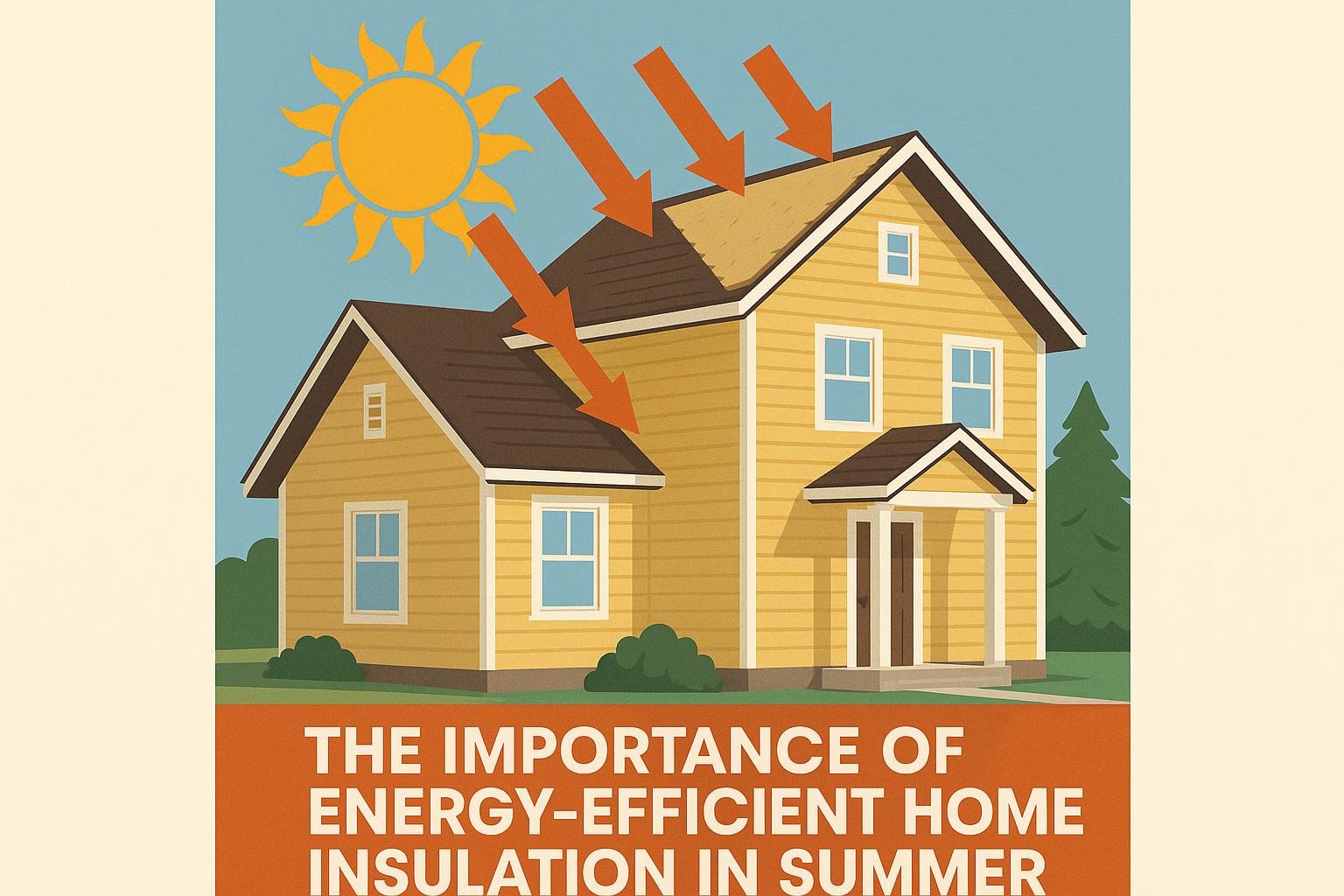
Insulation functions as a barrier to heat flow, addressing the dynamics of heat transfer into or out of your home. During the warmer months, high temperatures can cause heat to infiltrate the cooler indoor environment. A home that is well-insulated is designed to minimize this heat gain, thereby maintaining a stable and comfortable indoor temperature conducive to a pleasant living environment.
Benefits of Insulation in Summer
The advantages of effective insulation encompass a variety of areas and include:
Thermal Comfort: Efficient insulation guarantees a cooler indoor climate. This enhancement improves comfort levels without over-reliance on air conditioning systems. By limiting the need for air conditioning, homeowners can enjoy a more natural balance of temperature indoors.
Energy Efficiency: By reducing the workload on HVAC systems, insulation contributes significantly to the conservation of energy. This results in lower electricity bills, offering financial relief during months where energy usage is at its peak.
Environmental Impact: A reduction in energy consumption equates to a decrease in greenhouse gas emissions, rendering homes more environmentally friendly. The environmental footprint is thus minimized, aligning with global initiatives to curb climate change.
Types of Insulation Suitable for Summer
There are several types of insulation to consider, with some materials proving especially effective for mitigating summer heat:
Reflective or Radiant Barrier: These are typically installed in attics and they operate by reflecting sunlight, thereby significantly reducing the amount of solar heat that enters the home. The resultant reduction in temperature allows for a cooler indoor environment without escalating energy usage.
Spray Foam Insulation: This type of insulation provides an airtight seal, mitigating heat loss and gain due to air infiltration. This comprehensive barrier ensures the interior maintains a constant temperature unaffected by the external climate.
Fiberglass and Cellulose: Although considered traditional, these materials can be entirely effective when installed properly. They help reduce thermal bridging, which involves heat passing through the building envelope, thus maintaining a stable internal temperature.
Considerations for Optimal Insulation
When planning to install or upgrade home insulation, it’s essential to take into account the following key factors:
R-value: This metric evaluates the insulation’s resistance to heat flow. Insulations with higher R-values provide better thermal resistance, which is crucial during the intensely hot days of summer. Choosing an insulation with the proper R-value for your climate and needs is vital to ensure efficiency.
Installation Quality: Even premium insulation materials might fail to deliver expected results if not installed correctly. It is generally advisable to seek professional installation services to ensure maximum efficiency, avoiding common issues like gaps or compression.
For those seeking more in-depth information about enhancing home energy efficiency, informative resources such as the U.S. Department of Energy’s Energy Saver Guide can be invaluable.
The Economic Perspective
Investing in energy-efficient insulation represents both an environmental and an economic decision. Although the initial cost of installing high-quality insulation may seem substantial, the long-term savings in energy bills can outweigh these upfront expenses. Across many regions, financial incentives and rebates are also available, encouraging homeowners to make energy-efficient upgrades and reducing the financial burden of initial costs.
Furthermore, upgrading insulation can enhance overall property value. Homes with low energy consumption generally command higher resale prices, making them an attractive option for potential buyers.
Additional Considerations
To maximize the effectiveness of insulation during the summer, the roof’s condition should also be assessed, as it represents a primary source of heat transfer. Alongside insulation, installing energy-efficient windows and doors can further minimize temperature fluctuations.
Regular maintenance of HVAC systems can enhance insulation effectiveness, ensuring the systems work in harmony with thermal barriers to optimize energy efficiency.
Conclusion
To conclude, prioritizing energy-efficient home insulation during the summer months offers a wide range of benefits from thermal comfort and cost savings to contributing to environmental conservation. Emphasizing the right type of insulation and ensuring proper installation are crucial steps to significantly enhancing the effectiveness of your home’s energy efficiency strategy. Such enhancements represent a dual benefit of maintaining comfortable indoors while mitigating energy expenditure and supporting environmental sustainability initiatives.