The Concept of Green Walls
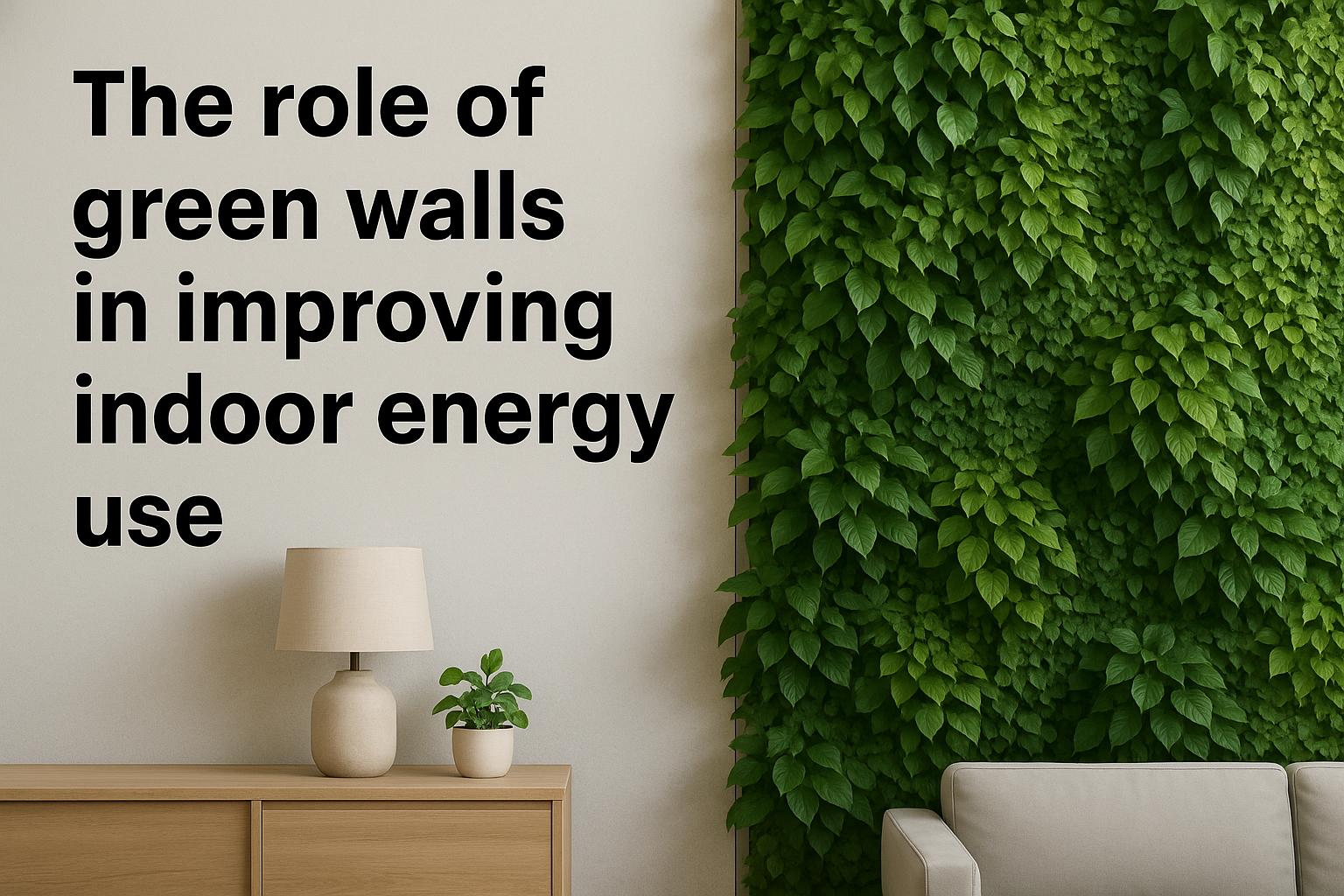
Green walls, often referred to as vertical gardens or living walls, are innovative structures that integrate vegetation into the vertical space of building exteriors or interiors. By utilizing hydroponic systems, these walls support a diverse array of plant species, arranged to grow vertically. This concept is gaining popularity not only for its aesthetic benefits but also for its considerable contributions to environmental sustainability and energy efficiency within building environments.
Energy Efficiency Benefits
Temperature Regulation
Green walls function as natural insulators, playing a critical role in regulating interior building temperatures. By absorbing sunlight, the plant-covered surfaces act as a barrier to heat, decreasing the amount of thermal energy that penetrates into the building. This results in maintaining a stable indoor temperature, subsequently reducing the dependency on HVAC systems for cooling during scorching summers and heating during frigid winters. The insulation provided by the plants ensures that interiors remain comfortable without excessive reliance on artificial energy consumption.
Reduction in Air Conditioning Load
The moderating effect of green walls on indoor temperatures translates directly into lower energy consumption for air conditioning. Research indicates that the strategic incorporation of green walls can lead to substantial reductions in the energy demand associated with cooling systems. By lessening the workload on air conditioners, these installations not only lower utility expenses but also reduce the carbon footprint of buildings, contributing to broader environmental conservation efforts.
Improving Indoor Air Quality
Green walls enhance indoor air quality in numerous ways, primarily through their role as natural air purifiers. The plants in these installations capture airborne pollutants and toxins, effectively cleaning the air circulating within the building. During photosynthesis, plants convert carbon dioxide into oxygen, elevating oxygen levels and creating a fresher and healthier indoor atmosphere. The presence of a green wall may transform a stagnant indoor environment into one that feels vibrant and invigorating, which promotes well-being and productivity among occupants.
Public Health Implications
The health benefits associated with green walls extend beyond simple air quality improvements. Cleaner air and a more controlled indoor climate have substantial impacts on human health. Exposure to these conditions helps reduce respiratory issues and contributes positively to overall well-being. Additionally, scientific studies have shown that environments enhanced with natural elements like green walls can significantly reduce stress levels in individuals. Consequently, these enhancements make indoor environments more conducive to improved comfort, focus, and productivity, whether in offices, schools, or homes.
Long-term Sustainability and the Future
As urbanization continues to expand and global temperatures increase due to climate change, the adoption of green walls becomes a crucial element in sustainable urban development. These installations provide a viable solution for mitigating the urban heat island effect, where concrete and asphalt infrastructure amplify city temperatures. By integrating vegetation into urban landscapes, green walls contribute to cooling effects and support urban biodiversity, attracting various forms of life that might otherwise have been displaced.
Moreover, the promotion of biodiversity within urban settings not only enriches the ecological fabric but also encourages environmental stewardship among city residents. Green walls can psychologically reconnect urban dwellers with nature, fostering a sense of responsibility towards environmental conservation. With urban environments facing rising challenges related to heat management, pollution, and habitat loss, green walls offer a forward-thinking approach that addresses these issues sustainably.
To explore further insights and the latest innovations in green wall technologies, individuals can access scholarly articles and case studies provided by platforms such as ResearchGate. These resources offer detailed analyses and examples of how green walls are implemented in various contexts, showcasing their benefits and potential as a sustainable architectural solution. Integrating green walls into urban planning not only represents a stride towards reducing environmental impact but also a commitment to creating healthier, more livable cities for future generations.