Introduction to Energy-Efficient Entertainment Rooms
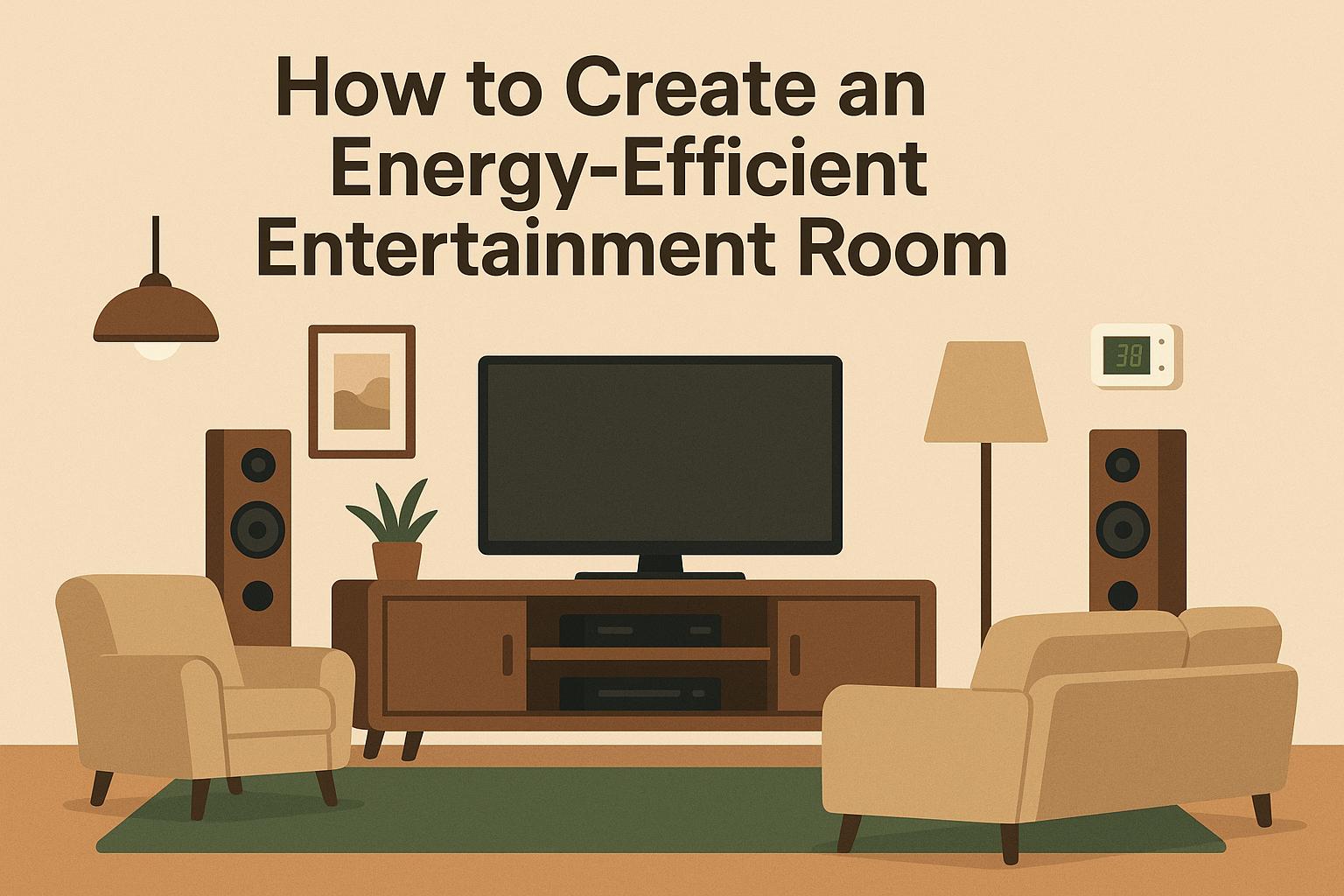
Creating an energy-efficient entertainment room is a prudent choice, both for the environment and your wallet. By incorporating strategic design elements and choosing energy-saving technologies, you can enjoy your entertainment space while reducing energy consumption.
Selecting Efficient Electronics
One of the most effective ways to build an energy-efficient entertainment room is by selecting energy-efficient electronics. Look for devices with the Energy Star label, which signifies that they meet energy efficiency guidelines set by regulatory agencies. Energy Star-rated televisions, sound systems, and gaming consoles are designed to use less power without compromising performance. Consider purchasing LED or OLED televisions, as they typically use less energy compared to older LCD or plasma screens.
Minimize Phantom Load
Phantom load, or standby power consumption, can be minimized by using smart power strips. These devices automatically cut off power to electronics that are in standby mode. Additionally, integrating smart home systems that schedule device operation can further decrease unnecessary power consumption.
Lighting Choices
Lighting is a critical component in creating an inviting atmosphere in your entertainment room. To reduce energy usage, opt for LED lighting, which is significantly more efficient than incandescent or CFL bulbs. LEDs consume less electricity and have a longer lifespan, offering substantial long-term savings.
Dimming and Automation
Installing dimmer switches and automated lighting systems augments energy efficiency by allowing you to adjust light intensity based on needs. This can be especially useful during movie viewings when less ambient light is desirable.
Insulation and Climate Management
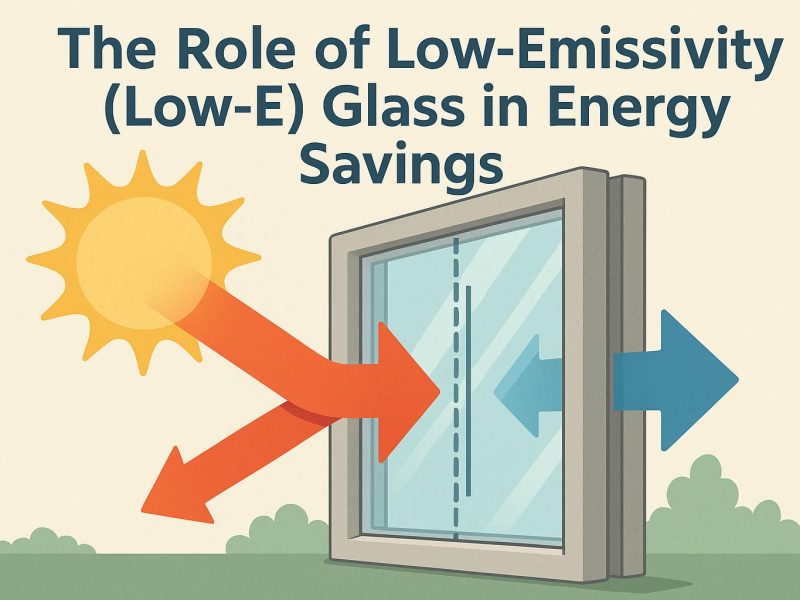
Maintaining optimal room temperature without excessive energy use is achievable through proper insulation and climate control systems. Ensure your entertainment room is well insulated to prevent loss of conditioned air. Double-glazed windows and insulated doors can significantly reduce thermal exchange.
Use Energy-Efficient HVAC Systems
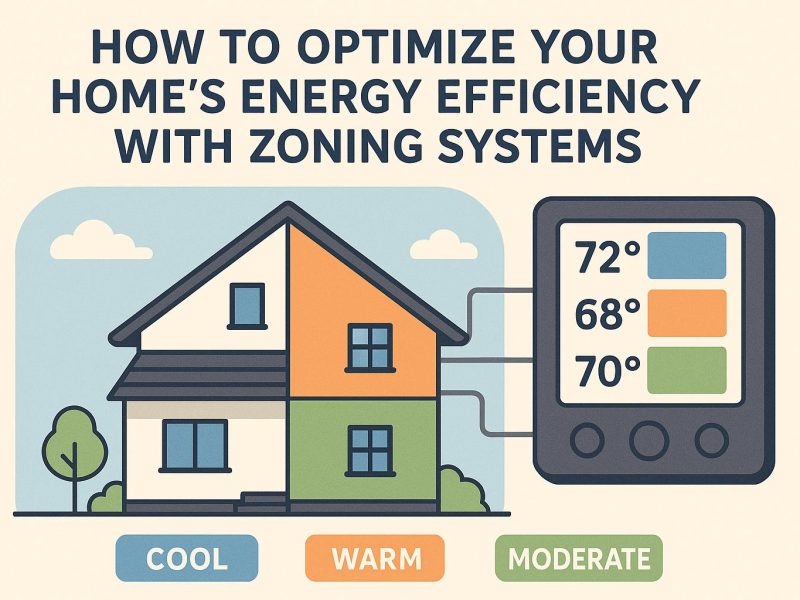
Consider upgrading to an energy-efficient HVAC system that includes smart thermostat features. These systems provide better temperature regulation and reduce energy waste by adjusting output based on room use.
Configuration and Design
The layout and design of your entertainment room can impact energy efficiency. Place devices and seating to maximize natural light during daytime, reducing the need for artificial lighting. Paint walls with lighter colors to enhance natural light reflection.
Soundproofing Techniques
Incorporating soundproofing materials can not only enhance the audio experience but also improve insulation. Use soundproof curtains, carpets, and specialized insulation boards that contribute to maintaining temperature and sound quality.
Additional Considerations
Beyond the basic components of electronics, lighting, and insulation, there are further strategies that can bolster the efficiency of your entertainment room. These include incorporating sustainable materials, optimizing space for better acoustics, and maintaining equipment regularly.
Sustainable Materials
When designing or renovating your entertainment room, consider using sustainable materials. Furniture made from recycled or reclaimed wood, environmentally-friendly paints, and carpets made from natural fibers can all contribute to a greener space. Such materials not only reduce environmental impact but also improve indoor air quality.
Optimizing Space for Sound and Acoustics
Proper acoustics are vital for an enjoyable entertainment experience. Consider using acoustic panels to manage sound waves within the room. These panels are designed to absorb sound, controlling reverb and reducing noise. Proper placement of speakers and furniture also plays a role in optimizing sound quality and can eliminate the need for additional electronic sound enhancement, thereby saving energy.
Regular Equipment Maintenance
Regular maintenance of electronics and HVAC systems ensures they operate at peak efficiency. Dust build-up and worn-out components can reduce the performance and efficiency of your devices. Cleaning fan filters, checking for software updates, and replacing worn parts can help maintain energy efficiency over time.
Smart Technology Integration
Smart technology is an ally in creating an efficient space. Utilize smart home systems to control lighting, temperature, and electronics, allowing for automated operation that reduces wasted energy.
Smart Home Compatibility
Choose electronics and systems that are compatible with smart home technology. Devices that connect with systems like Google Home or Amazon Alexa enable voice control, which can enhance convenience and save energy by ensuring devices are turned off when not in use.
Remote Monitoring and Control
Smart systems provide the ability to monitor and control your entertainment room remotely. Through a smartphone app, users can adjust settings, turn off forgotten lights or devices, and receive notifications about unusual energy usage, allowing for proactive management.
Conclusion
Designing an energy-efficient entertainment room doesn’t require compromising on enjoyment or quality. By choosing the right electronics, lighting solutions, and insulation measures, you can reduce energy consumption, lower utility bills, and contribute positively to environmental sustainability. Implementing these considerations creates a functional, cost-effective, and eco-friendly entertainment space. Embrace the advantages of sustainable materials, sound optimization, and smart technologies, each playing a part in crafting a modern entertainment room that meets today’s energy standards and personal comfort needs.
In summary, creating such a room involves a comprehensive approach that combines the latest technology with thoughtful design principles. This combination ensures that you not only enjoy your entertainment space but do so with an awareness of the impact on both your environment and your finances. As technology advances, staying informed about new developments and integrating them into your space will keep your entertainment room both state-of-the-art and sustainable.