The Basics of Low-Emissivity (Low-E) Glass
Low-emissivity glass, often referred to as low-e glass, represents a fundamental advancement in architectural glazing techniques aimed at enhancing energy efficiency in modern buildings. Characterized by a microscopically thin and transparent coating, low-e glass is designed to reflect heat effectively, significantly reducing the transmission of infrared and ultraviolet light through glass surfaces without compromising the passage of visible light. This feature makes low-e glass a pivotal element in sustainable building design by maintaining optimal indoor temperature and comfort while reducing energy consumption.
How Low-E Glass Works
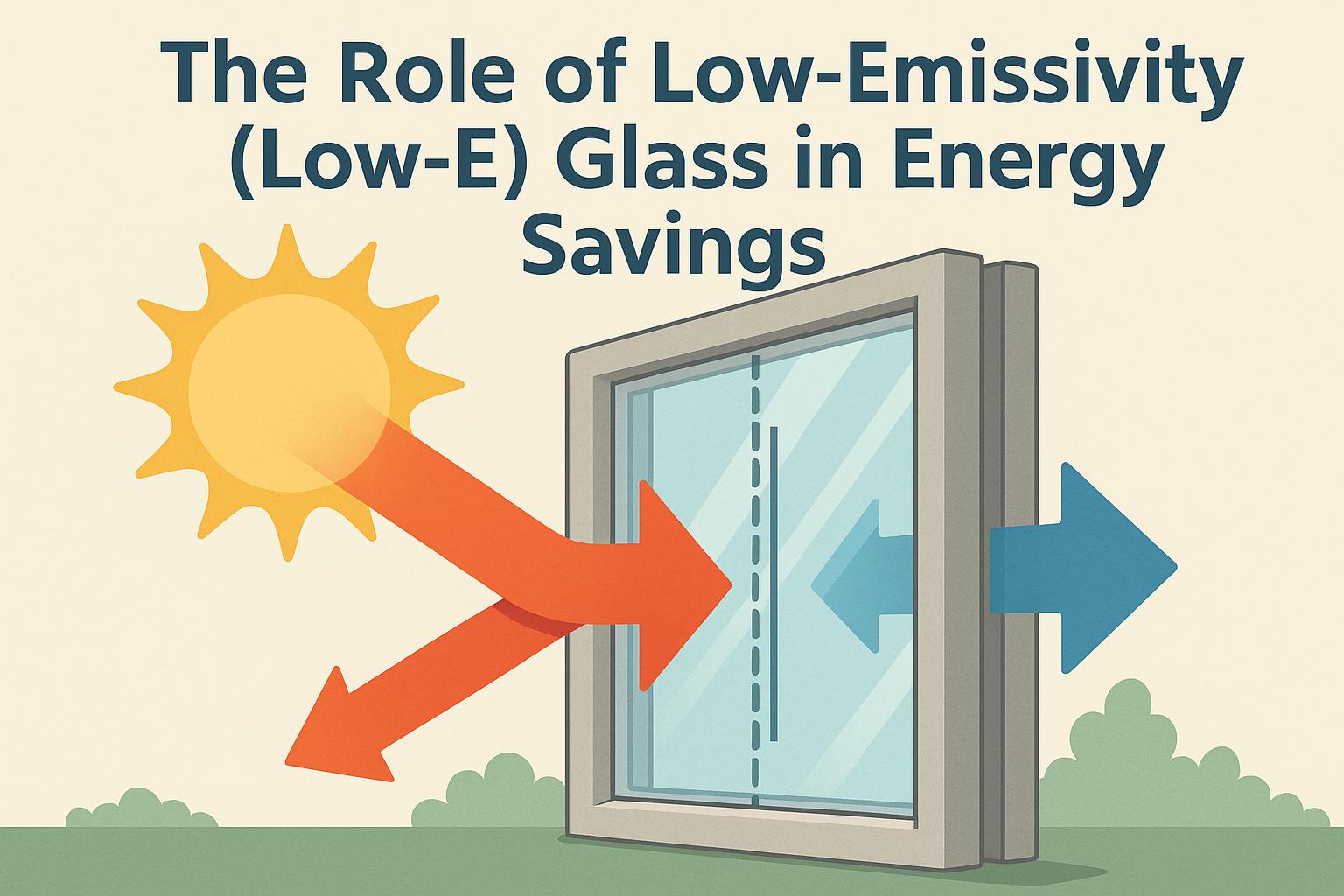
The primary function of low-e coatings on glass is to manage two critical components of solar radiation: visible light and infrared energy, which mainly contributes to heat. The technological advancement of low-e coatings focuses on minimizing infrared and ultraviolet light penetration through the glass while ensuring that the glass retains its transparency and the quality of light transmission remains uncompromised. This balance ensures that interior spaces receive sufficient natural light without the adverse effects of heat gain, which can strain air conditioning systems and lead to higher energy bills.
The Science Behind Low-E Glass
The groundbreaking technology behind low-e glass revolves around the specific composition and application of its coatings. Low-e coatings consist of multiple layers of metals or metallic oxides, meticulously applied to the glass surface through a manufacturing process known as sputter coating. This technique involves bombarding a target material with high-energy particles within a vacuum environment, allowing for the precise deposition of the coating onto the glass. This sophisticated process results in a coating that can adeptly reflect heat while maintaining the clear appearance of the glass, ensuring it performs its designated functions without hindering visibility.
Benefits for Energy Savings
In terms of energy savings, low-e glass presents considerable advantages:
Heating and Cooling Costs: One of the essential benefits of low-e glass is its capability to reflect interior heat back into the room during colder months and minimize exterior heat entry during warmer seasons. This thermal regulation contributes to temperature stabilization within indoor spaces, reducing dependency on HVAC systems and subsequently lowering energy expenses.
UV Protection: By reducing the exposure to UV radiation, the coating on low-e windows plays a crucial role in safeguarding indoor furnishings and materials. Prolonged exposure to UV light can lead to fading and deterioration of fabrics and surfaces over time, in addition to posing health risks. Low-e glass mitigates these concerns by effectively cutting down on UV penetration.
Enhanced Comfort: The ability of low-e glass to regulate indoor temperatures not only contributes to energy savings but also promotes a more comfortable living and working environment. By eliminating cold spots typically associated with windows and mitigating excessive heat buildup during hot weather, low-e glass ensures that interior spaces maintain a pleasant ambiance year-round, enhancing overall occupant comfort and productivity.
Types of Low-E Glass
Low-e coatings come in two primary forms:
Soft Coat (Sputtered Coatings): Known for their high efficiency in energy conservation, soft coat low-e coatings require careful handling due to their delicate composition. These coatings are applied in precise conditions, ensuring their effectiveness while necessitating careful installation and maintenance to maintain their integrity and performance.
Hard Coat (Pyrolytic Coatings): Created at elevated temperatures, hard coat coatings are renowned for their durability. They can be applied to single or double-pane windows, offering versatility and robustness. These coatings are ideal for settings where the glass may be exposed to challenging conditions or where maintenance might be less frequent, providing lasting energy efficiency and thermal performance.
Applications in Building Design
Low-e glass finds its applications across a broad spectrum of structures, ranging from residential to commercial. Its benefits are particularly highlighted in environments where extreme temperature variability is a factor. Builders, architects, and construction professionals recognize low-e glass as an invaluable asset in the pursuit of improved energy efficiency and sustainable building practices.
Incorporating low-e glass in building design is common practice, often in conjunction with other technologies such as energy-efficient window frames and insulated glazing systems. These combinations amplify the thermal performance of structures, ensuring optimal energy conservation and reducing overall environmental impact.
Conclusion
The impact of low-e glass on energy savings is undeniable. By reducing heat transfer and offering protection from harmful UV radiation, it contributes significantly to creating more sustainable and comfortable indoor environments. For individuals and organizations seeking to enhance energy efficiency and lower carbon footprints, integrating low-emissivity glass into building projects proves to be a pragmatic and forward-looking approach. The practical benefits of low-e glass in terms of energy conservation, indoor comfort, and UV protection establish it as a critical component in modern architectural strategies aimed at promoting environmental responsibility and long-term cost savings.