Understanding Home Energy Monitoring Systems
A home energy monitoring system is a technology-enabled device or platform designed to track and analyze the energy consumption patterns within a household. These systems are essential tools that furnish real-time data and insights about energy usage, enabling homeowners to make informed decisions about their energy consumption. An understanding of these systems can lead to more efficient energy use, cost savings, and a reduction in environmental impact.
How Home Energy Monitors Work
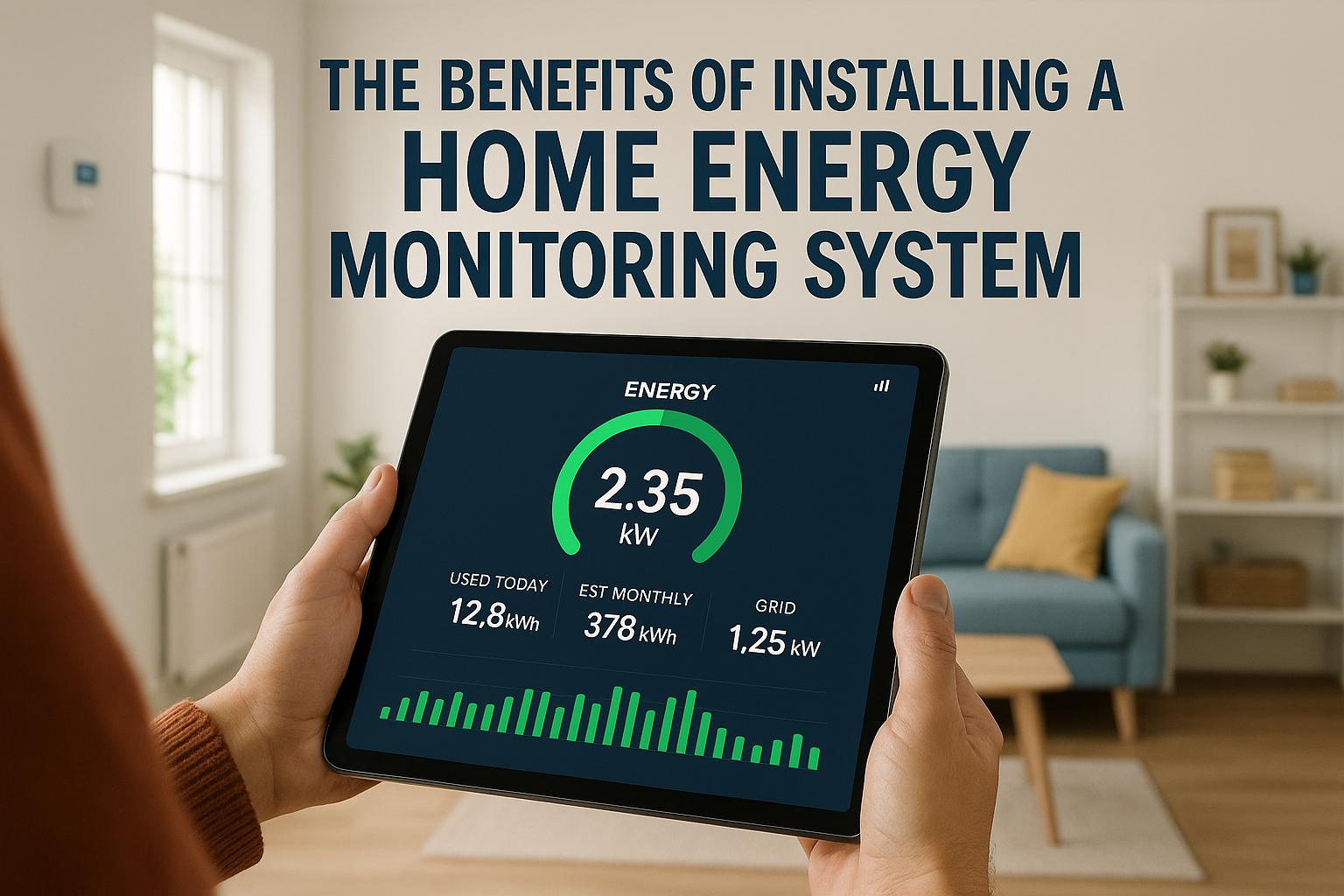
Home energy monitoring systems generally consist of a mix of hardware and software. The hardware components often involve sensors and meters installed on the electrical panel or on individual circuits, measuring the flow and usage of electricity. The information collected by these sensors is then transmitted to the software component, which is generally an application accessible via smartphones, tablets, or computers. This software provides a detailed analysis and insights into energy consumption patterns.
Real-Time Data Tracking
One of the primary advantages of home energy monitoring systems lies in their capacity to offer real-time data tracking. Homeowners can observe the amount of energy being used at any moment, which specific appliances or systems are consuming the most power, and trends in energy usage over time. With this granularity of detail, homeowners can gain a deeper understanding of their energy consumption habits, fostering a more proactive approach to managing energy use.
Identifying Inefficient Appliances
The wealth of data provided by these systems allows homeowners to pinpoint inefficient appliances that may be drawing excessive amounts of energy. These insights are instrumental in identifying devices that might require repair, should be replaced, or need a change in usage habits to enhance overall energy efficiency. Understanding which appliances contribute most significantly to energy consumption allows users to strategically address inefficiencies, potentially leading to further cost savings.
Financial Benefits
One of the most tangible advantages of investing in a home energy monitoring system is the potential for substantial financial benefits. By thoroughly understanding their energy consumption patterns, homeowners can make adjustments that cut down on unnecessary energy use, effectively lowering utility bills. In addition, many energy monitoring systems offer suggestions or tips tailored to the homeowner’s specific usage patterns, providing actionable strategies to further reduce energy costs.
Reducing Energy Waste
Such systems are adept at helping homeowners reduce energy waste. By continuously tracking and evaluating energy use, individuals can identify and correct wasteful behaviors, such as leaving appliances on when not in use or operating devices during high-cost peak energy times. Addressing these issues not only results in financial savings but also lessens the household’s overall energy demand, promoting efficiency.
Environmental Impact
Besides the financial benefits, reducing household energy consumption also fosters a positive environmental impact. Each reduction in energy usage decreases the demand on power plants, many of which still rely on non-renewable energy sources that are significant emitters of greenhouse gases. By utilizing these systems, homeowners take an active role in contributing to a healthier environment.
Promoting Sustainability
Engaging with a home energy monitoring system is an action that supports broader environmental sustainability efforts. More informed decisions regarding energy consumption can lead to a reduction in the household’s carbon footprint. Such reductions contribute to larger sustainability goals, signifying a commitment to preserving environmental resources for future generations.
Additional Features and Integration
Modern home energy monitoring systems often provide opportunities for integration with other smart home devices. This integration can significantly boost convenience and facilitate automation within the household. Features like scheduling, remote appliance control, and notifications about unusual energy use can significantly enhance a homeowner’s ability to effectively manage their energy consumption.
Compatibility with Renewable Energy Sources
For households incorporating renewable energy solutions like solar panels or wind turbines, a home energy monitoring system offers valuable insights into both energy consumption and production. This dual perspective allows homeowners to strategically optimize their use of generated renewable energy, potentially maximizing the return on investment from their commitment to alternative energy sources. Managing the balance between consumption and production can lead to a more efficient and sustainable energy system within the home.
For individuals seeking further details about particular products and systems, trusted resources from energy firms or consumer technology websites can provide comprehensive information. Online marketplaces and consumer reviews offer additional insights into user experiences and product performance. Check out further resources at Energy Star or similar reputable sites for more information.