Introduction to Prefabricated Energy-Efficient Homes
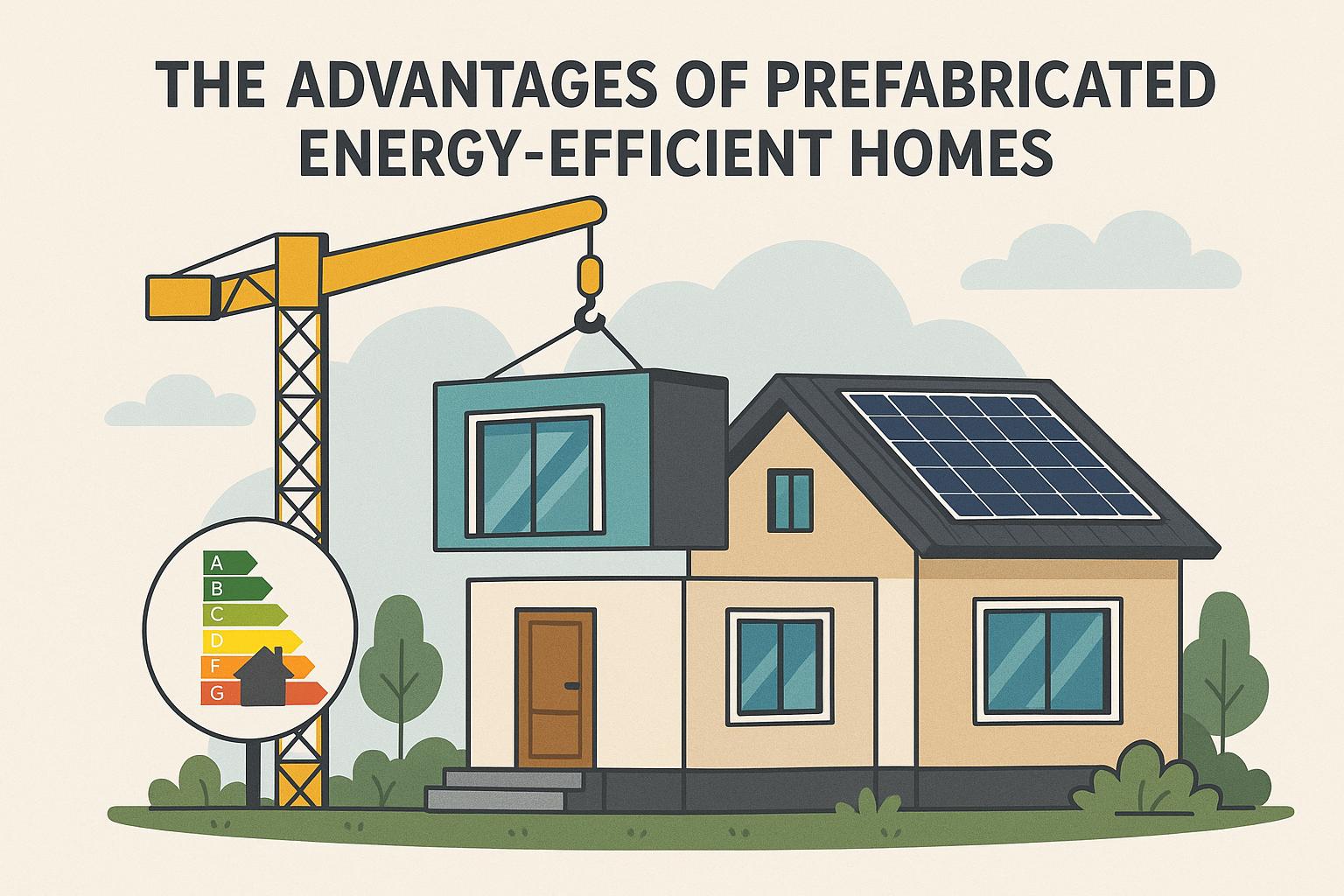
Prefabricated homes, also known as prefab homes, have experienced a surge in popularity in recent years as a practical solution for those seeking sustainable and efficient housing options. These homes are constructed in sections or modules in a factory setting and then transported to their permanent location. This method offers several benefits over traditional on-site construction methods. When integrated with energy-efficient features, prefabricated homes become even more attractive to environmentally conscious homeowners seeking to reduce their carbon footprint and utility expenses.
Construction Efficiency and Reduced Waste
The efficiency of the construction process is one of the most significant advantages of prefabricated homes. The prefabrication method allows for the simultaneous progression of construction and site preparation. This simultaneous activity results in a substantial reduction in the overall timeline required to erect a home. In addition, since the entire manufacturing process occurs within a controlled factory environment, there is a significant reduction in material waste. Factory settings can carefully control the inventory of materials, optimizing usage and minimizing surplus and waste which often plague traditional construction sites. This reduction in waste helps to lower the environmental impact of construction activities and supports sustainable building practices.
Additionally, the control inherent in a factory setting allows for consistent quality across all components of the home. Quality control measures are more easily enforced, resulting in higher precision in the construction of building modules. This precision minimizes errors and rework, contributing to construction efficiency and further waste reduction.
Energy Efficiency Features
Prefabricated homes designed with energy efficiency in mind come equipped with various features aimed at reducing energy consumption and enhancing the comfort of the occupants. Some of the common energy-efficient upgrades include high-performance insulation, which significantly reduces the transfer of heat between the interior and exterior of the home. Insulation of this quality ensures that the temperature inside the home remains stable, regardless of weather conditions, reducing the need for excessive heating or cooling.
Other features include energy-efficient windows, often double or triple-glazed, which help to minimize heat loss in winter and prevent heat gain in summer. Windows play a crucial role in energy conservation, striving to maintain a balance between natural light and thermal comfort.
Moreover, many prefabricated homes come fitted with advanced HVAC systems, designed for optimal energy consumption. These systems are intended to provide maximum comfort while utilizing minimal energy. The tight construction of these homes, a byproduct of the controlled factory building process, inherently limits air leaks and ensures higher energy conservation. Consequently, homeowners experience reduced energy needs for heating and cooling systems, leading to long-term cost savings on utility bills.
Cost-Effectiveness
The upfront investment for a prefabricated energy-efficient home may be on par with or slightly higher than that of a traditional home. However, these homes offer significant financial benefits over time. Homeowners can experience substantial savings through reduced energy bills, derived from the efficient design and insulation mentioned earlier, as well as lower maintenance costs due to the meticulous construction process.
Additionally, the rapid construction timeline inherent to prefabricated homes often results in reduced labor expenses. Compared to the often lengthy schedules of traditional construction projects, the swift assembly of prefab homes minimizes interest payments on construction loans and other time-related expenses. The financial benefits thus make prefabricated homes an economically attractive option in the long run for many potential homeowners.
Design Flexibility and Modern Aesthetics
A common misconception is that prefabricated homes lack design flexibility and aesthetic appeal. In reality, these homes offer a broad spectrum of customizable designs and modern aesthetics, accommodating diverse homeowner preferences. Prefabricated home buyers can choose from a variety of layouts, materials, and finishes that suit their individual tastes and lifestyle requirements. This ability to customize extends to both the interior and exterior features of the home.
Furthermore, this design flexibility does not compromise the home’s energy efficiency or structural integrity in any way. Many manufacturers offer options tailored to specific environmental and climatic conditions, which can enhance both the appearance and performance of the abode. The potential for design creativity with prefabricated homes ensures that they can meet the varied tastes of today’s homeowners while maintaining a focus on sustainability and efficiency.
Conclusion
To conclude, prefabricated energy-efficient homes present multiple advantages to modern homeowners committed to environmental stewardship and fiscal responsibility. With streamlined construction processes that significantly reduce waste and expedite timelines, these homes champion sustainable building practices. Their array of energy-efficient features not only makes them attractive choices for reducing environmental impact but also contributes to considerable cost savings over time.
The continuous development and innovation in prefabricated technology promise further enhancements, expanding the appeal and accessibility of these homes. As the construction industry increasingly leans towards sustainable practices and energy-efficient design, prefabricated homes are likely to play a more central role in shaping the future of housing.
For more detailed information on prefabricated energy-efficient homes, interested individuals can consult resources from esteemed industry sources such as EnergyStar or browse through construction industry websites like BuildingGreen. These platforms offer a wealth of information on energy efficiency standards, innovative prefabrication methods, and sustainable construction practices.