Introduction
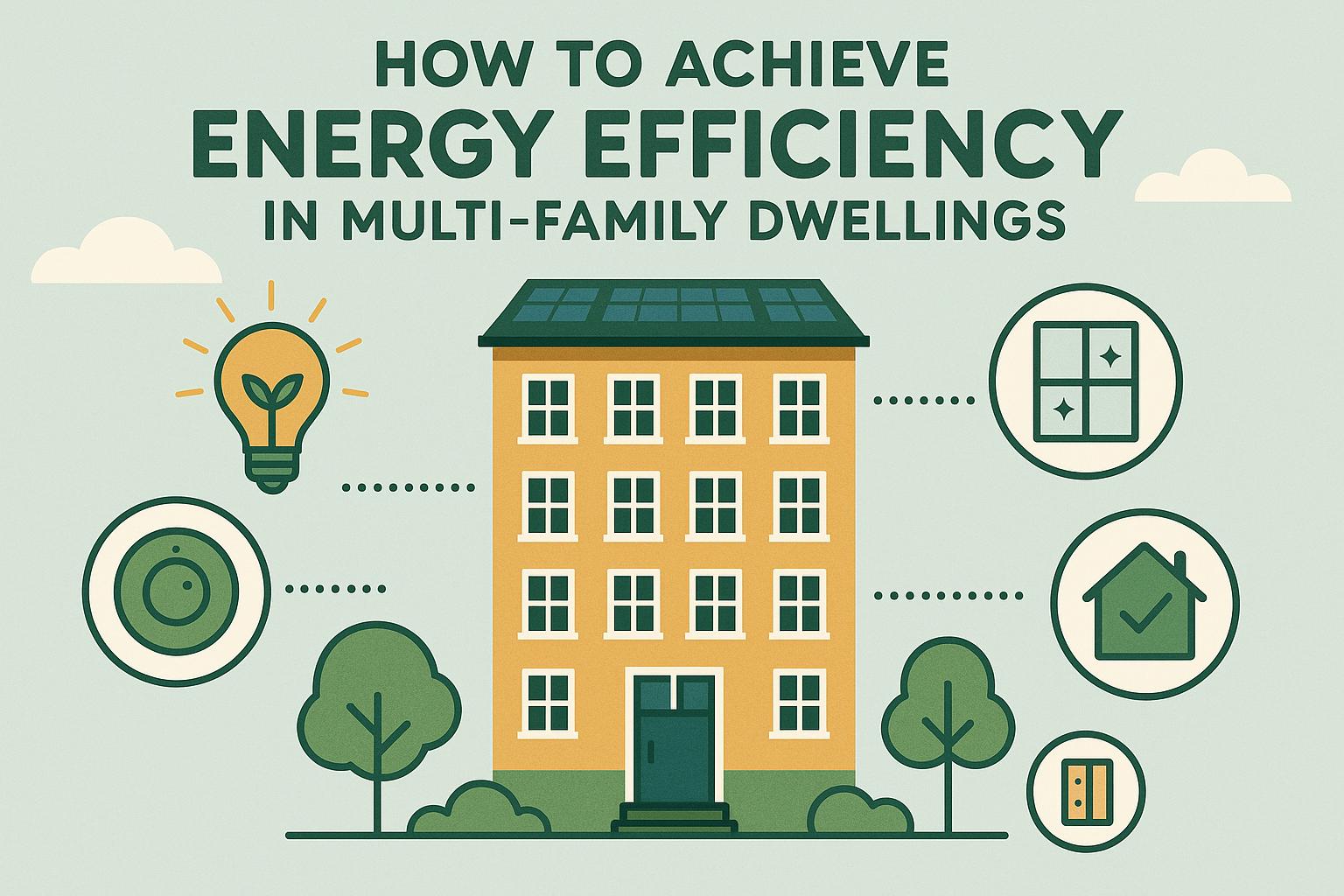
Energy efficiency in multi-family dwellings encompasses a comprehensive approach designed to minimize energy consumption while maintaining a comfortable living environment for tenants. This strategy is crucial because it not only reduces the financial burden of utility costs but also plays a significant role in the global effort toward environmental conservation. By focusing on multiple facets of energy use, from building design to appliance selection, multi-family dwellings can significantly lower their carbon footprints, aligning themselves with broader sustainability goals.
Building Design and Construction
Effective building design and construction serve as the backbone of energy efficiency in multi-family dwellings. A well-thought-out architectural plan considers not just the aesthetic appeal of the structure but also its energy needs and usage patterns.
Insulation and Sealing
Effective insulation and sealing must be prioritized in the construction phase to curb unnecessary energy loss. Insulation is critical as it helps to maintain the building’s internal temperature, which is crucial for minimizing the dependence on heating and cooling systems. For instance, spray foam, fiberglass, and cellulose are among the best materials for walls, roofs, and floors. Alongside insulation, sealing gaps, especially around windows, doors, and attic areas, is essential. Weatherproof sealants are effective solutions in eliminating air leaks, further enhancing energy conservation efforts by creating airtight spaces.
Windows and Doors
The strategic choice of energy-efficient windows and doors significantly impacts a building’s energy profile. Windows equipped with low-emissivity (low-E) coatings act by mitigating heat transfer; they effectively reflect heat back to its source. During summer, they help retain cool air indoors and, in winter, prevent heat from escaping. Proper weatherstripping on doors aids in minimizing the unwanted exchange of indoor and outdoor air, upholding indoor climate comfort and reducing the load on the HVAC system.
Heating, Ventilation, and Air Conditioning (HVAC) Systems
The adoption of high-performance HVAC systems is central to advancing energy efficiency in multi-family buildings. The design and operation of these systems determine the energy consumption levels associated with heating and cooling.
Energy-Efficient HVAC Systems
Investing in energy-efficient HVAC systems is a prudent choice that leads to substantial energy savings. Systems demonstrating high Seasonal Energy Efficiency Ratios (SEER) and Energy Efficiency Ratios (EER) are particularly effective. These metrics gauge the system’s energy performance and dictate that units operate with maximum efficiency while consuming less power. This selection not only benefits the building’s immediate expenses but also contributes to long-term energy savings.
Regular Maintenance
For any HVAC system to function optimally, regular maintenance is indispensable. Simple actions like cleaning and replacing air filters ensure a system’s efficiency, while a routine inspection for refrigerant leaks can prevent energy wastage. Additionally, verifying the proper sealing of ductwork forestalls energy leaks that could dramatically increase utility costs, sustaining an efficient supply of conditioned air to all units.
Lighting Systems
The adoption of energy-efficient lighting represents another significant opportunity to enhance a building’s energy profile. Advances in lighting technology have made it possible to maintain or even improve lighting quality while drastically reducing energy use.
LED Lighting
Transitioning to LED lighting represents an immediate and straightforward strategy to bolster energy efficiency. LEDs are renowned for their low energy consumption, long life, and minimal heat output compared to traditional alternatives such as incandescent and fluorescent bulbs. By requiring less frequent replacement, LEDs reduce maintenance efforts and costs over time.
Smart Lighting Controls
The installation of smart lighting controls, such as dimmers, timers, and motion sensors, is another avenue to efficiently manage energy use. These devices optimize the use of lights, ensuring operation only when needed, thereby cutting down unnecessary energy expenditure. Systems that integrate with building management technologies can automate this efficiency, responding dynamically to occupancy and time-based usage patterns.
Appliances and Water Heating
The choice of appliances and water heating systems significantly dictates energy usage in multi-family dwellings. Modern energy-efficient options are available that provide the same quality and convenience while using considerably less energy.
Energy Star Appliances
Opting for Energy Star rated appliances offers a guarantee of energy and water savings. These appliances are engineered and tested to meet stringent energy efficiency criteria, ensuring reduced operational costs and a lighter environmental impact. Items like refrigerators, washers, and dishwashers labeled with Energy Star signify energy-conscious choices.
Efficient Water Heating
Water heating constitutes a sizeable portion of energy use in any dwelling. Opting for tankless water heaters or units with high energy factors can enhance efficiency. Tankless heaters, for example, supply hot water on demand, eliminating the energy waste associated with maintaining a reservoir of hot water.
Renewable Energy Sources
In the pursuit of sustainable living environments, incorporating renewable energy sources stands as an advantageous long-term solution. They represent a shift from traditional, non-renewable energy sources, promoting independence and sustainability.
Solar Panels
The installation of solar panels is a forward-thinking approach to harnessing renewable energy. Rooftop solar systems can generate substantial amounts of electricity that power communal areas or even individual residences, significantly reducing reliance on grid-supplied power. This conversion to solar energy represents a substantial move towards sustainability.
Community Wind Power
Deploying community wind power solutions can be an excellent fit for multi-family dwellings, particularly in wind-abundant areas. This initiative involves utilizing wind turbines that convert wind kinetic energy into electricity, supplementing the building’s power supply and further curtailing non-renewable energy dependence.
Conclusion
In conclusion, enhancing energy efficiency within multi-family dwellings requires a multi-faceted approach. By integrating thoughtful architectural design, selecting energy-conscious systems such as HVAC and lighting, implementing smart controls, and investing in renewable energy resources, property owners and tenants forge a path to substantial energy and cost savings. The strategic application of these solutions ensures a reduction in the building’s environmental footprint, represents a commitment to sustainability, and delivers a host of economic benefits to all stakeholders involved.