Understanding Energy-Efficient Exterior Lighting
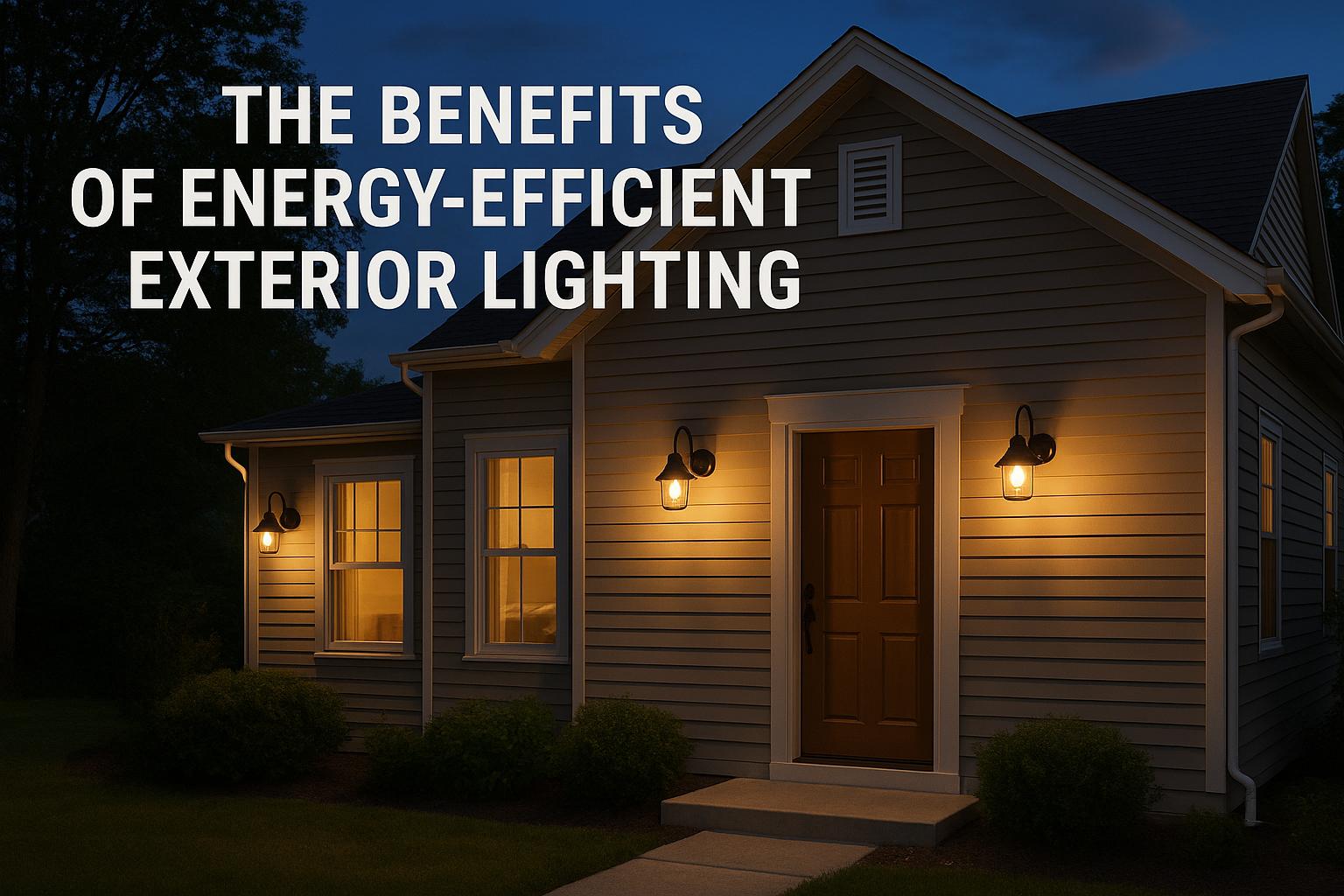
Energy-efficient exterior lighting is increasingly recognized for its numerous advantages, not only for individual users but also for entire communities. This comprehensive exploration of the benefits of energy-efficient lighting solutions aims to equip readers with the necessary understanding to make informed decisions about implementing such technologies.
Environmental Impact
One of the foremost advantages of energy-efficient exterior lighting is its positive impact on the environment. By consuming significantly less energy, these lighting solutions help reduce carbon emissions, which is essential in the global effort to combat climate change. The reduction in energy demand directly translates to fewer fossil fuels being burned for electricity generation, thus contributing to cleaner air and a healthier ecosystem. In addition to helping mitigate climate change, energy-efficient lighting also cuts down on light pollution. Traditional lighting tends to scatter excessive light in unwanted directions, adversely affecting nocturnal wildlife and obscuring the night sky. Energy-efficient lighting focuses light only where it is needed, preserving natural nighttime environments and allowing for better star visibility.
Cost Savings
Switching to energy-efficient lighting often results in substantial cost savings over time. While the initial purchase price may be higher than that of conventional lighting options, the long-term reduction in electricity bills more than compensates for the initial expense. This is particularly relevant as energy prices continue to climb, making the savings even more pronounced over time. Moreover, many energy-efficient lighting solutions are designed to maximize efficiency, consuming only a fraction of the energy required by traditional lights. With incentives and rebates often available from governments and utility companies for adopting energy-efficient technologies, the financial benefit becomes even more compelling for homeowners and businesses alike.
Longevity and Durability
The longevity and durability of energy-efficient lighting solutions, such as LED lights, offer additional advantages. These lights have a much longer lifespan compared to traditional incandescent or halogen bulbs, often lasting several decades with regular use. This extended lifespan translates to fewer replacements, minimizing both the frequency and labor costs associated with maintenance. In environments where lighting is critical, such as in street or security lighting, the reduced risk of premature failure ensures consistent operation without the need for constant monitoring or repeated expenditures.
Improved Safety and Security
Energy-efficient lighting enhances safety and security by providing better illumination of areas around homes and public spaces. Well-lit areas are known to deter criminal activity, as potential wrongdoers are less likely to target brightly lit locales. In addition, adequate lighting reduces the risk of accidents, particularly in areas that are otherwise poorly lit, such as walkways, staircases, and outdoor venues. Consistent and reliable lighting ensures that areas are safe for both pedestrians and vehicles, which is especially important for public infrastructure and community safety initiatives.
Versatility and Aesthetic Appeal
Modern energy-efficient lighting options have moved beyond functionality to offer remarkable versatility in design and color. This allows users to incorporate creativity into their outdoor spaces without sacrificing efficiency. From highlighting garden paths to accentuating architectural features of a building, the aesthetic appeal of these lighting solutions can greatly enhance the ambiance and visual interest of any space. The variety of available styles ensures that there is a suitable option for every decor style, enabling seamless integration with existing designs.
Supporting Local Wildlife
Traditional lighting solutions can inadvertently contribute to light pollution, disturbing local wildlife by interfering with their natural behaviors. Many animals rely on natural light cues for activities such as hunting, mating, and navigation. Energy-efficient lights, especially those designed with wildlife considerations in mind, can help minimize these disruptions by reducing unnecessary light emissions. This helps maintain natural ecosystems and supports biodiversity by allowing wildlife to continue their natural patterns without disruption from artificial light sources.
Conclusion
The adoption of energy-efficient exterior lighting brings a multitude of benefits, ranging from environmental protection and cost savings to improved safety and aesthetic versatility. By choosing these sustainable lighting options, individuals and communities alike can take significant steps toward a more sustainable future while enhancing the functionality and appearance of their outdoor spaces. Understanding the diverse advantages of energy-efficient lighting empowers users to make informed choices that can positively impact both their immediate environments and the wider world.