Understanding the Basics of an All-Electric Home
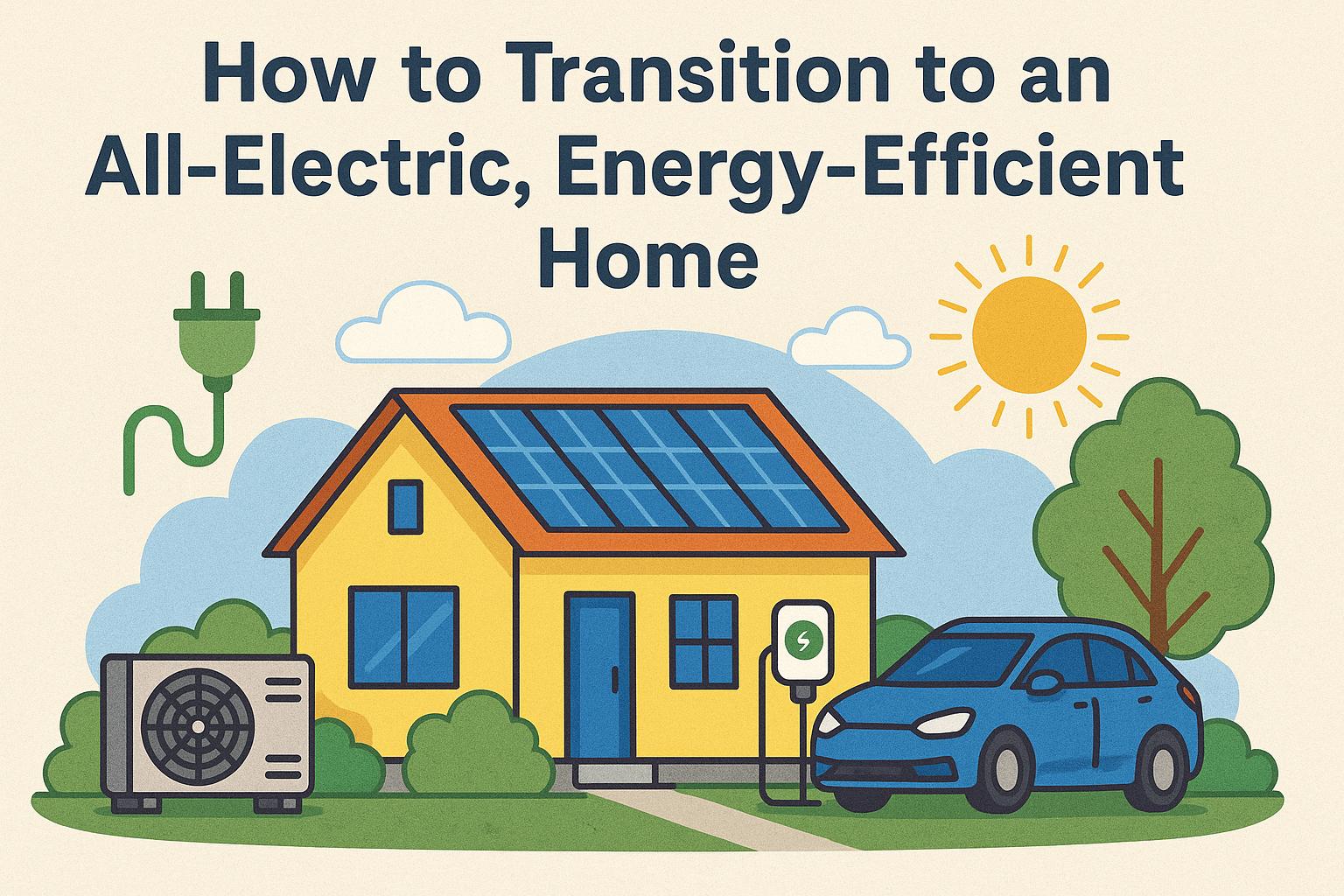
Transitioning to an all-electric, energy-efficient home is a significant step toward sustainable living. By replacing traditional energy sources, such as natural gas or oil, with electricity, homeowners aim to enhance efficiency, reduce carbon footprints, and increase energy independence. To successfully make this shift, it is crucial to first gain a comprehensive understanding of your current energy usage and identify potential areas for improvement.
Assessing Energy Consumption
Before any transition, you must evaluate your home’s existing energy consumption. This evaluation is ideally done through an energy audit. An energy audit is an assessment that identifies inefficiencies and provides customized recommendations for improvements. While there are professional services available to conduct energy audits, performing a basic assessment yourself is also possible. This self-assessment would typically involve an analysis of your electricity bills, the efficiency of your home insulation, and the overall performance of existing appliances.
Implementing Energy-Efficient Appliances
A key component of the transition to an all-electric home is the adoption of energy-efficient appliances. Modern electric appliances are designed to use significantly less energy than their traditional counterparts. For instance, appliances such as induction cooktops, heat pump water heaters, and electric dryers consume less energy while offering similar or enhanced functionality. When selecting appliances, it is advisable to look for the Energy Star label, which indicates products that meet high-efficiency standards.
Upgrading to Electric Heating and Cooling
Replacing fossil fuel-based heating systems with electric alternatives is fundamental to achieving an all-electric home. Electric heat pumps, which provide both heating and cooling, are among the most efficient options available. There are two primary types to consider: air-source heat pumps and ground-source (or geothermal) heat pumps. Both systems operate by extracting heat from specific sources, although they differ in terms of installation costs and efficiency metrics.
Air-Source Heat Pumps
Air-source heat pumps function by transferring heat between your home and the outside air. They are typically easier to install and more cost-effective compared to geothermal systems. While highly efficient in moderate climates, they may require an auxiliary heating system in extremely cold conditions to maintain comfort.
Geothermal Heat Pumps
Geothermal heat pumps utilize the stable temperatures found underground to provide efficient heating and cooling solutions. Although the initial installation costs can be high, these systems offer superior efficiency and significantly lower operating costs over time. For more detailed insights into geothermal solutions, you can explore this resource.
Incorporating Renewable Energy
A further step towards reducing reliance on grid electricity involves installing renewable energy systems, such as solar panels or wind turbines. Solar power is increasingly popular because of decreasing installation costs and widespread availability. Additionally, government incentives and rebates can ease the initial financial burden, making solar energy a viable long-term investment.
Solar Panel Systems
Solar panels work by converting sunlight into electricity. This electricity can be used immediately for household needs or stored in battery systems for future use. Before installation, it is essential to evaluate your roof’s solar potential, taking into account factors such as orientation, shade, and local climate conditions, to ensure optimal system performance.
Battery Storage Solutions
To maximize the benefits of solar energy, homeowners should consider battery storage systems. Battery systems store any excess energy produced, making it available during nighttime or cloudy conditions. More information on battery systems is available at this link.
Enhancing Insulation and Sealing
Improving home insulation and sealing leaks is one of the most cost-effective methods for maintaining a comfortable temperature and reducing energy consumption. Proper insulation helps retain warmth in winter and keep homes cool in summer months. Key areas to insulate include attics, walls, and floors, while sealing efforts should focus on windows, doors, and ductwork to prevent energy loss.
Smart Home Technologies
The implementation of smart home technologies provides additional avenues for optimizing energy efficiency. Devices like smart thermostats, sophisticated lighting systems, and modern energy monitoring tools offer precise control and scheduling capabilities. They enable you to reduce energy wastage and enhance comfort effectively. Moreover, these technologies provide real-time data, empowering homeowners to make informed decisions about energy usage, further contributing to long-term cost savings.
Conclusion
Transitioning to an all-electric, energy-efficient home involves an investment of time and resources but the long-term benefits are considerable. The potential for cost savings, reduced environmental impact, and increased energy independence make this transition worthwhile. By systematically assessing current energy usage, upgrading appliances, incorporating renewable energy sources, investing in proper insulation, and utilizing smart home technologies, homeowners can align their living environments with contemporary energy goals, paving the way for a sustainable future.