Understanding Energy-Efficient Ventilation
Ventilation plays a pivotal role in maintaining indoor air quality and ensuring occupant comfort in buildings. However, traditional ventilation systems can be energy-intensive. By implementing energy-efficient strategies, one can significantly reduce energy consumption while maintaining optimal air quality.
Importance of Efficient Ventilation
Implementing energy-efficient ventilation strategies is crucial for several reasons. Firstly, it reduces energy costs and conserves resources. Secondly, these strategies improve indoor air quality, which is vital for the health and comfort of building occupants. Finally, efficient ventilation can help in achieving various building performance standards and certifications.
Key Strategies for Energy-Efficient Ventilation
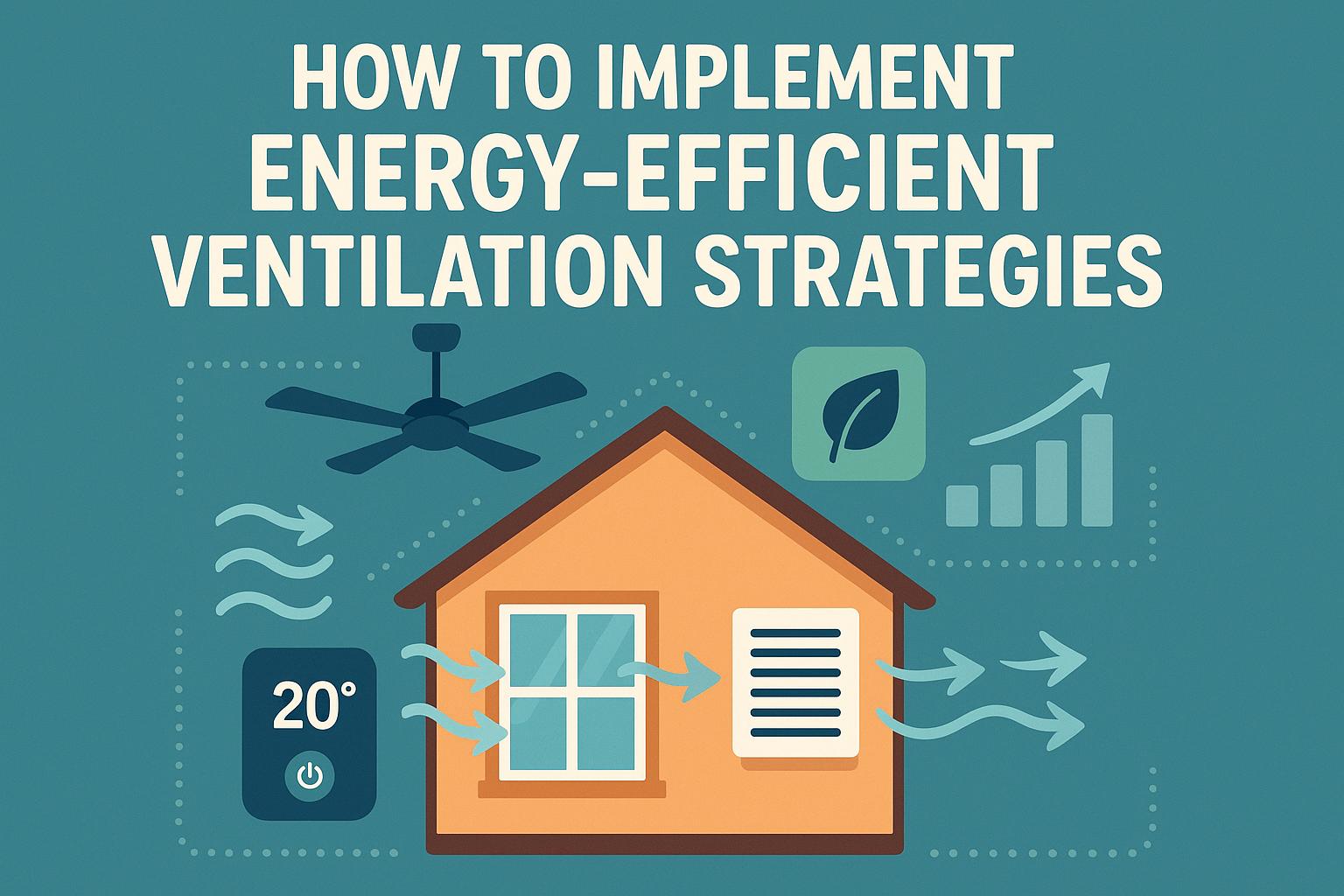
One foundational approach is the use of demand-controlled ventilation (DCV). This system adjusts ventilation rates based on the occupancy level in real-time, thus optimizing energy use. By integrating sensors to monitor air quality parameters like CO2 levels or humidity, DCV ensures that ventilation only operates when necessary.
Additionally, demand-controlled ventilation systems can be effectively used in various types of buildings, ranging from office spaces to educational facilities and even residential buildings. By adjusting the ventilation according to real-time needs, DCV systems not only minimize energy consumption but also enhance indoor air quality by ensuring adequate fresh air supply where needed.
Heat recovery ventilation (HRV) systems are another significant technology for enhancing energy efficiency. These systems recover heat from exhaust air, using it to pre-condition incoming fresh air. This minimizes the demand on HVAC systems, thereby saving energy. HRV systems are especially beneficial in climates where there is a vast difference between indoor and outdoor temperatures. By reclaiming a portion of the thermal energy that would otherwise be lost with outgoing air, HRV offers a sustainable solution that significantly reduces heating and cooling demands.
Increasingly, buildings are incorporating natural ventilation strategies. This involves using natural forces such as wind and buoyancy to circulate air, reducing the need for mechanical systems. However, it is essential to consider local climate conditions and potential impacts on thermal comfort. Natural ventilation can be particularly effective in mild climates or during certain seasons where the external conditions are favorable. To effectively implement natural ventilation, architects and engineers typically design building elements like windows, vents, and atriums that can facilitate air movement and leverage external environmental conditions.
Integration with Smart Building Technologies
Smart building technologies provide another layer of optimization for ventilation systems. Integrating IoT devices and automated controls can lead to more precise regulation of ventilation rates. For example, smart thermostats or air quality monitors can adjust HVAC operations based on real-time data. This not only enhances efficiency but also contributes to improved indoor environmental quality.
Moreover, smart building technologies enable predictive maintenance of HVAC systems by collecting and analyzing system performance data. This capability ensures that systems operate at peak efficiency and that any potential issues are addressed promptly. Over time, the data collected can be used to improve system design and operation strategies further, leading to continued enhancements in energy efficiency and ventilation performance.
Consulting Professionals
Implementing these strategies often requires skilled design and analysis. Consulting with professionals specializing in energy-efficient building systems is advisable. They can provide insights into the most suitable ventilation technologies and practices for specific buildings. These experts consider various factors such as building type, size, usage, and local climate conditions to recommend the most effective solutions.
Professionals might also conduct energy audits and simulations to assess the current performance of a building’s ventilation system and identify opportunities for improvement. By working closely with building owners, facility managers, and other stakeholders, they ensure that the implemented solutions align with both energy goals and regulatory requirements.
Beyond simple consulting, professionals in this field can facilitate the integration of advanced technologies and systems. They can assist with the planning and execution of renovation projects aimed at upgrading existing HVAC systems to more energy-efficient ones. In doing so, they help navigate the complex landscape of codes, standards, and incentives available for energy-efficient upgrades.
Overall, the goal of adopting energy-efficient ventilation strategies is multifaceted. Not only does it aim to reduce energy consumption and operational costs, but it also focuses on enhancing indoor air quality and meeting sustainability objectives. As the building industry increasingly leans towards environmentally conscious practices, energy-efficient ventilation stands out as a critical element for both new constructions and retrofits.
For further details on energy-efficient building technologies, refer to external resources such as Energy Star. These resources provide comprehensive guidelines and case studies that illustrate successful implementations and provide insights into the latest advancements in energy-efficient technologies and practices.