Understanding Energy Modeling Tools
Energy modeling tools are indispensable for creating smarter and more efficient home designs. In today’s world, where sustainability is key, these tools give architects, engineers, and homeowners the power to analyze and optimize various aspects of home energy use. From heating and cooling systems to lighting and appliances, energy modeling tools use advanced algorithms to predict energy consumption and recommend improvements for increased efficiency. This document delves deeper into the significance of these tools and their comprehensive application in modern home design.
Benefits of Energy Modeling in Home Design
Energy modeling serves as a foundation for building more environmentally friendly homes by pinpointing potential energy-saving strategies. The advantages of employing energy modeling in home design include:
Optimizing Energy Consumption: The tools allow users to experiment with different design scenarios, identifying the optimal combination of materials and systems that minimize energy usage. This process involves simulating various configurations and predicting their impact on energy performance.
Enhancing Comfort: Efficient energy modeling contributes to maintaining pleasant indoor temperatures with minimal energy consumption. This ensures that occupants enjoy comfortable living conditions without excessive use of energy.
Reducing Costs: Through data-driven analyses, energy modeling helps stakeholders make informed decisions that effectively decrease both initial construction costs and ongoing operational expenses. By understanding the trade-offs between different energy solutions, planners can achieve cost savings.
Achieving Certifications: Many green building standards, such as LEED (Leadership in Energy and Environmental Design), incorporate energy modeling as part of their certification criteria. Utilizing these tools aids in meeting the requirements necessary to obtain prestigious environmental certifications.
How Energy Modeling Tools Work
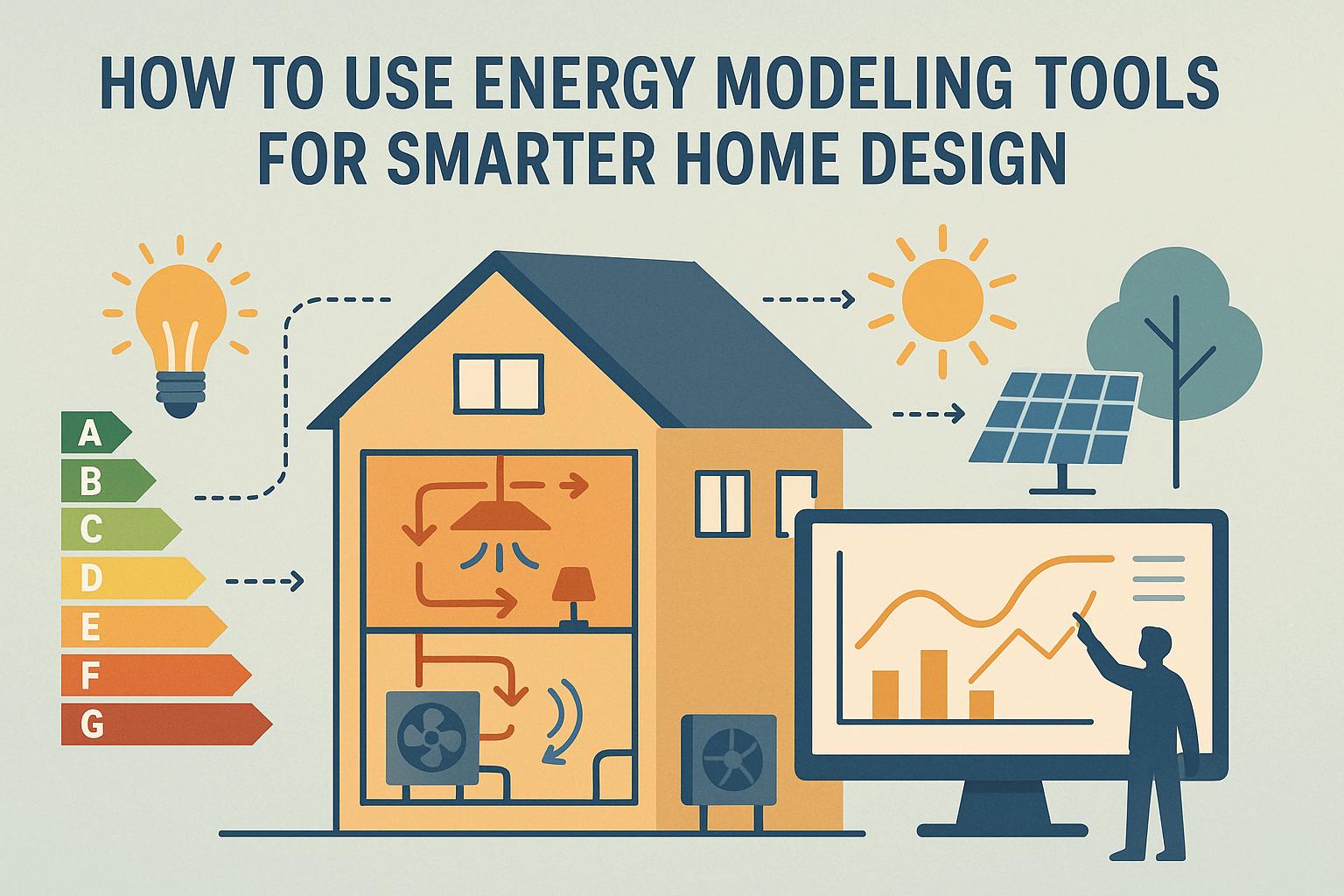
Energy modeling tools operate by constructing a virtual replica of the home, integrating numerous design factors such as orientation, building materials, thermal insulation, and heating, ventilation, air conditioning (HVAC) systems. The tools simulate the interactions between these components and predict the home’s energy performance under varying environmental conditions. By using historical weather data, these tools provide reliable estimates of energy consumption, allowing users to identify inefficient areas and propose mitigating measures.
Selecting the Right Energy Modeling Tool
Choosing the right energy modeling tool is vital and should be based on the project’s unique requirements and the user’s level of expertise. Here are some popular tools:
eQUEST: Known for its reliability in delivering detailed energy analyses, eQUEST is suitable for both new constructions and existing buildings. It offers extensive options for simulation, giving users a comprehensive understanding of energy dynamics.
EnergyPlus: Developed by the U.S. Department of Energy, EnergyPlus provides intricate simulation capabilities. It suits professionals seeking an in-depth understanding of building energy performance.
Blower Door Tests and Thermography: Although not software, these tests are often used in conjunction with energy modeling software. They offer practical insights into a home’s energy behavior, highlighting issues like air leaks and helping refine software model predictions.
For more information on selecting the optimal tool for your home design project, visiting the websites of professional organizations or joining forums dedicated to energy efficiency can be beneficial.
Implementing Energy Modeling in Home Design
Effective implementation of energy modeling begins with developing a detailed model of the proposed home design. It involves inputting specifics such as the building’s geometry, construction materials, and planned mechanical systems. Once the virtual model is established, conducting simulations is essential for identifying inefficiencies and testing potential design changes. For instance, variations in window positioning, insulation thickness, or incorporating renewable energy technologies can be assessed.
By adjusting the model based on simulation outcomes, architects and builders can significantly improve a home’s energy efficiency. While this process may be demanding in terms of time and expertise, the resulting long-term cost savings and environmental advantages are substantial.
In conclusion, integrating energy modeling tools into home design represents a progressive approach to constructing smarter, more efficient, and eco-friendly homes. By mastering energy modeling techniques and leveraging these tools, industry stakeholders can guarantee that their building projects not only comply with but surpass energy efficiency benchmarks. This holistic approach ensures sustainability and augments the value of residential properties in an environmentally conscious world.