Understanding Zoning Systems
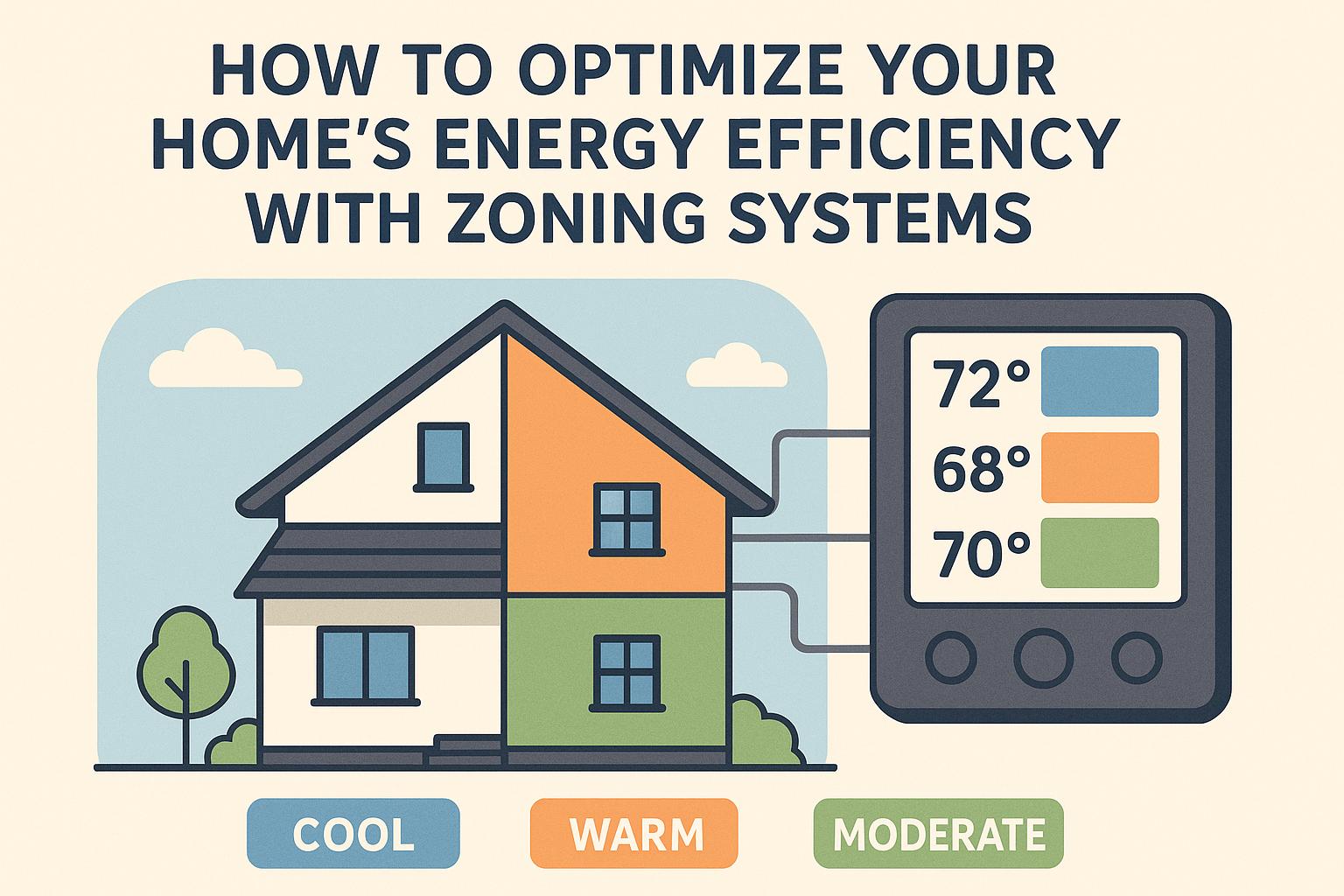
Zoning systems are an effective way to optimize your home’s energy efficiency. These systems allow you to control the temperature in different areas, or “zones,” of your house independently. This means you can tailor the heating or cooling in each zone according to its specific needs, rather than maintaining a constant temperature throughout your entire home. This approach can significantly contribute to reducing energy consumption and enhancing indoor comfort.
The Basics of Zoning Systems
A typical zoning system comprises a central control panel, multiple thermostats, and electronic dampers within the ductwork. The control panel serves as the brain of the system, interpreting temperature data from each zone and directing the dampers to open or close. This process allows the airflow to be adjusted, delivering conditioned air only to areas that need it. By managing the distribution of air in your home more precisely, a zoning system markedly boosts energy efficiency and comfort.
Components of Zoning Systems
Understanding the various elements involved in a zoning system helps to appreciate how they work together harmoniously. The control panel is central; it processes input from various thermostats and sends commands to electronic dampers. Thermostats, situated in different zones, monitor the temperature and communicate needs to the control panel. These can be traditional models or the increasingly popular smart thermostats. Electronic dampers are mechanical devices embedded in your ductwork to regulate airflow. They respond to signals from the control panel by adjusting to allow more or less air into a zone.
Benefits of Implementing Zoning Systems
One significant benefit of zoning systems is energy efficiency. By heating or cooling only the necessary areas, you reduce energy consumption, which can lead to lower utility bills. Additionally, zoning systems enhance comfort; each zone can be adjusted to the occupants’ preferences. This personalization ensures that areas frequently used are always comfortable, while less utilized areas do not waste energy. Moreover, they contribute to reducing the strain on your HVAC system since it operates more effectively without overloading.
Advantages Over Traditional Systems
Compared to traditional HVAC systems, zoning systems offer tailored solutions and can adapt to various home dynamics. With the capacity to control individual zones, homeowners no longer need to compromise with a one-size-fits-all approach. This targeted methodology not only conserves energy but also prolongs the lifespan of HVAC equipment by reducing excessive strain and usage.
Considerations Before Installation
Before deciding on a zoning system, consider the layout of your home. Homes with distinct areas that vary significantly in temperature may benefit the most. Assess the usage patterns of each room because spaces like guest rooms or storage areas, which are used less frequently, might not need continuous heating or cooling. This assessment will help you determine which areas require zoning and which do not.
It’s also crucial to consult with a qualified HVAC professional. They will evaluate your current system’s compatibility with zoning and suggest feasible solutions. The installation of a zoning system may entail significant modifications to your ductwork, so a professional’s input is invaluable. Their expertise ensures your home’s specific requirements are addressed, allowing for an efficient and successful implementation.
Adopting Smart Technology
Recent advancements have made smart thermostats integral to many zoning systems. These devices offer enhanced control and convenience. With a smart thermostat, you can adjust the temperature in any zone from your smartphone or computer, even when you’re away from home. This feature allows for greater energy efficiency, as adjustments can be made in real-time based on immediate needs. Smart technology brings the added advantage of automation, learning your schedule and preferences to optimize climate control without constant input.
Given the proliferation of smart devices, integrating them into a zoning system is a logical step. Their ability to interface with other smart home technologies further enhances their appeal, providing seamless control over your home environment. To learn more about smart thermostats, consult resources like the Department of Energy for comprehensive information.
Conclusion
Incorporating zoning systems into your home is a practical method of optimizing energy efficiency. By understanding your home’s specific needs and consulting with HVAC professionals, you can implement a system that enhances comfort while reducing energy consumption. This tailored approach adjusts HVAC operations to fit actual demand and usage, demonstrating a significant leap from traditional methods. As building technology advances, integrating components like smart thermostats can further refine and maximize the benefits of zoning systems, ushering in a new era of energy management and comfort personalization. Through these efforts, zoning systems stand as a testament to how emerging technologies can create homes that are more adaptable and sustainable.