Understanding Dual-Pane and Triple-Pane Windows
Windows play a crucial role in the energy efficiency and comfort of a home. They serve as vital components in maintaining the interior climate while also contributing to the architectural aesthetic of a building. Two popular types of windows that offer enhanced performance are dual-pane and triple-pane windows. Understanding their benefits and characteristics can assist homeowners in making informed decisions when considering window replacements or installations. Each type of window brings unique advantages that can increase energy efficiency and overall comfort within a residence.
Energy Efficiency
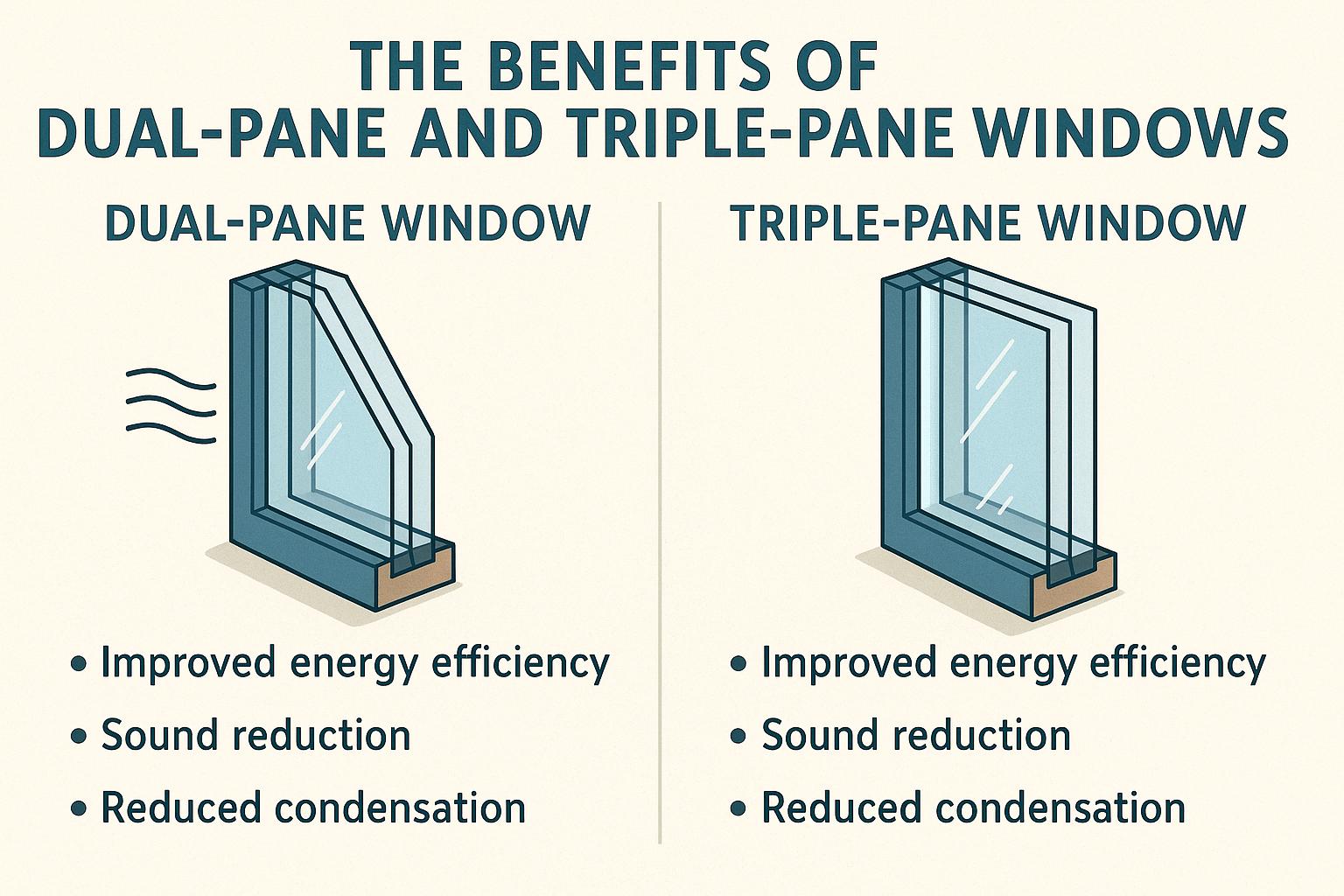
Energy efficiency is a key consideration for homeowners looking to optimize their living environments. In regions with significant temperature fluctuations, maintaining a moderate indoor climate is essential not only for comfort but also for reducing energy consumption and costs. Dual-pane windows, also known as double-glazed windows, consist of two panes of glass separated by a spacer and a sealed layer of air or inert gas, most commonly argon or krypton. This setup reduces heat transfer due to the additional barrier provided by the gas-filled space, helping maintain a stable indoor temperature throughout different seasons. This thermal insulation ability makes dual-pane windows a popular choice for many homeowners looking to upgrade from single-pane windows.
On the other hand, triple-pane windows elevate energy efficiency beyond what is offered by dual-pane options. These windows consist of three layers of glass and two gas-filled spaces. The extra pane and gas-filled spaces contribute to even better insulation, providing a robust barrier to both heat loss and heat gain. This advanced design significantly reduces energy consumption, making triple-pane windows ideal for homes located in regions with extreme climate conditions. Homeowners can expect lower utility bills and a reduced environmental footprint, as increased insulation means less heating and cooling required to maintain a comfortable indoor environment.
Noise Reduction
In addition to their energy efficiency benefits, dual-pane and triple-pane windows are highly effective at sound reduction. Noise pollution can negatively impact the tranquility of a home, particularly for those living in busy urban areas or near noisy roads. The additional pane of glass and the insulating layers within both dual-pane and triple-pane windows contribute to minimizing noise intrusion from the outside. While dual-pane windows offer noticeable noise reduction compared to single-pane units, triple-pane windows provide a more superior performance in this regard. Their enhanced ability to dampen sound waves makes them a preferred choice for homeowners seeking a more serene and peaceful living environment.
Enhanced Comfort
Comfort is a fundamental aspect of any living space. By maintaining a consistent indoor temperature, dual-pane and triple-pane windows help enhance the overall comfort of a home. The insulation properties of these windows reduce the effects of cold drafts in the winter and prevent excessive heat gain during the summer months. Such factors significantly contribute to maintaining a comfortable living environment throughout the year, thus improving overall quality of life. Additionally, the improved climate control can lead to less strain on heating and cooling systems, prolonging their lifespan and improving indoor air quality due to reduced fluctuations in temperature.
Condensation Resistance
Condensation occurs when warm, moist air comes into contact with a cold surface, such as a window during winter months. Excessive condensation can lead to mold growth, impair air quality, and potentially cause damage to window frames and other structural components around the window. Both dual-pane and triple-pane windows offer improved condensation resistance due to their insulating properties. The reduced likelihood of condensation forming on the interior surfaces of the glass is particularly beneficial for homes in areas with high humidity or significant temperature variability. This feature promotes healthier living conditions and reduces maintenance requirements over time.
Cost Considerations
Cost is an essential consideration when selecting windows. Generally, dual-pane windows tend to be more affordable compared to triple-pane windows. The initial investment in triple-pane windows may be higher; however, they can offer greater benefits in energy savings over time. The long-term savings in energy bills and the enhanced comfort they provide can often justify the initial expense. When choosing between the two types of windows, homeowners should consider factors such as budget, local climate conditions, and specific needs. This will ensure that the choice made aligns with both financial capabilities and desired long-term benefits.
Conclusion
In summary, both dual-pane and triple-pane windows offer significant benefits regarding energy efficiency, noise reduction, and overall comfort. The decision of which type to install depends on various factors, including the specific climatic conditions homeowners face and their budgetary constraints. While triple-pane windows provide superior energy efficiency and noise reduction, dual-pane windows are a cost-effective option that still offers marked improvements over traditional single-pane windows. For those interested in further research or seeking more detailed guidance on selecting suitable windows, resources such as the U.S. Department of Energy’s website provide comprehensive information and recommendations. Selecting the right windows can lead to enhanced comfort, significant energy savings, and improved home value, making it a worthwhile consideration for any homeowner.