The Role of Smart Grids in Home Energy Efficiency
Smart grids represent a significant advancement in the way electricity is distributed and consumed. This revolutionary shift in electricity use is marked by a move towards technologies that enhance efficiency, reliability, and sustainability. By integrating cutting-edge digital solutions, smart grids bring about effective energy management within domestic environments, aligning household energy practices with contemporary needs.
Understanding Smart Grids
At the heart of smart grids is the incorporation of digital communication technologies, a feature that sets them apart from traditional electrical grids. These technologies facilitate a two-way communication flow between utility providers and consumers, introducing unprecedented levels of interaction between electricity producers and users. This capability for real-time monitoring and administration of electricity consumption is fundamental in the quest for improved energy efficiency.
The Structure and Functionality of Smart Grids
Within the framework of smart grids, several key technological features can be identified that directly contribute to increased home energy efficiency:
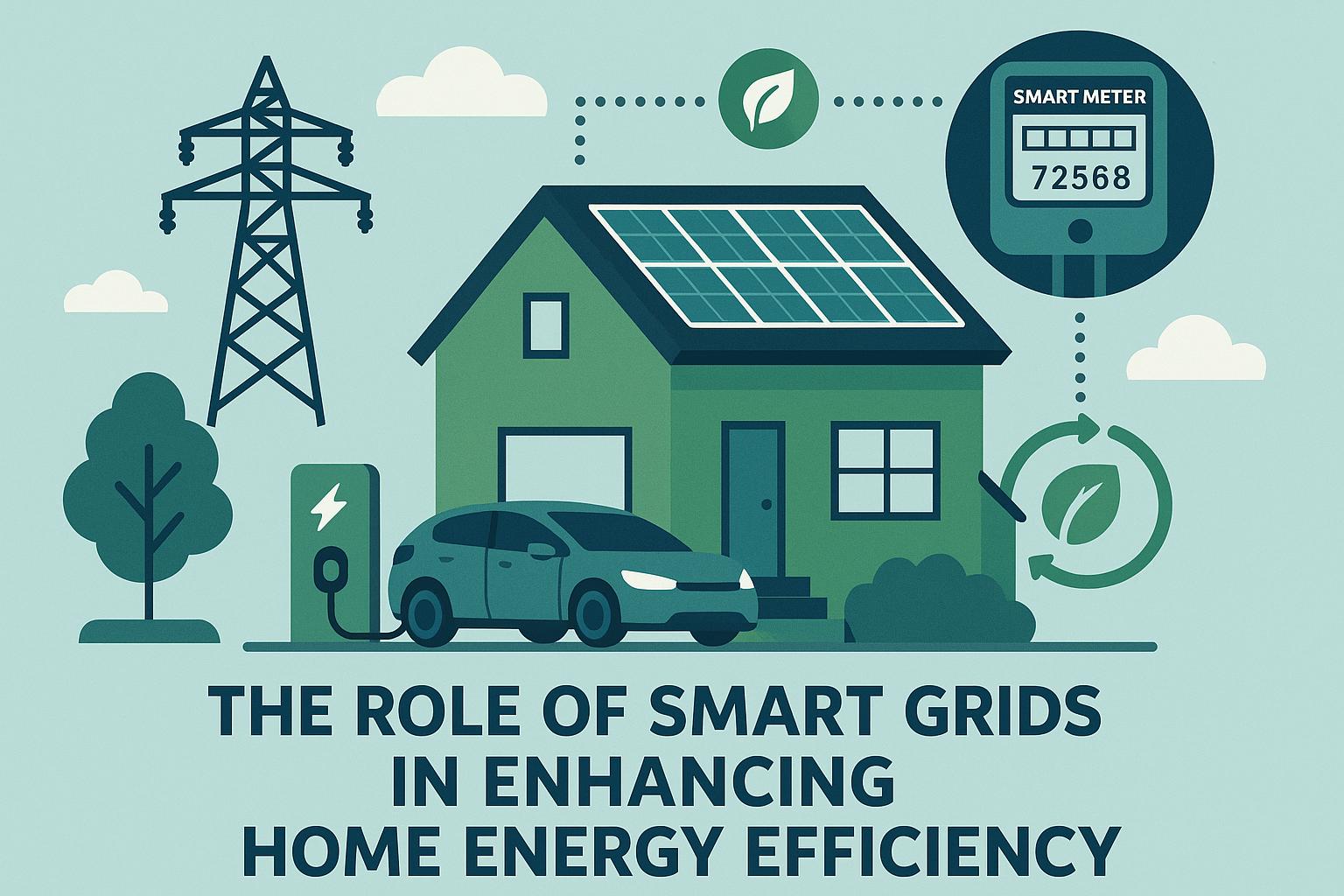
Automated Metering Infrastructure (AMI): One of the pivotal components of smart grids is the Automated Metering Infrastructure. AMI involves the deployment of sophisticated meters that collect and analyze data in real time. This real-time data collection empowers users to modify consumption patterns strategically, optimizing energy usage.
Load Management Systems: By incorporating load management systems, smart grids can effectively balance electrical loads, particularly during peak energy consumption periods. This capability reduces the need for additional energy production and corresponding costs, contributing to overall energy efficiency.
Integration with Renewable Energy Sources: Smart grids are designed to seamlessly integrate power generated from renewable sources, such as solar and wind energy. This integration enhances the sustainability of energy consumption practices, aligning with broader environmental goals.
Direct Benefits to Homeowners
For homeowners, the adoption of smart grid technologies translates into several practical benefits:
One of the most tangible advantages is cost savings. By leveraging insights into energy consumption behaviors provided by smart grids, households can develop and implement strategies for more efficient energy usage, leading to significant reductions in electricity bills over time.
Furthermore, smart grids enhance energy reliability. This reliability is achieved through preventative measures against outages and minimizing downtime during necessary repairs. As a result, homeowners experience reduced disruptions in their power supply.
Moreover, the transparency in data handling facilitated by smart grids empowers consumers to make more informed decisions about their energy usage. As users become more informed, they can engage more actively in sustainability practices, advancing the environmental sustainability agenda from a grassroots level.
The Impact of Smart Home Devices
Smart home devices, such as programmable thermostats and energy-efficient appliances, are most effective when integrated within a smart grid infrastructure. These devices are able to automatically adjust their operations based on real-time data received from the smart grid, ensuring optimal energy consumption aligns with user comfort needs. Those interested in learning more about how smart home devices interface with smart grids can explore additional resources here.
The Future Trajectory of Smart Grids
The future of smart grids is promising, driven by the enhancements expected from the use of artificial intelligence and machine learning technologies. These innovations stand poised to further refine energy distribution mechanisms, bringing about unprecedented efficiencies.
Artificial intelligence, for instance, can analyze patterns and offer predictive insights into energy usage trends, allowing for dynamic adjustments in energy consumption strategies. This predictive capacity can mitigate inefficiencies and encourage the adoption of more sustainable practices on a larger scale.
Investments in smart grid infrastructure are crucial for harnessing these future potentials fully. Modernizing obsolete grid systems is a necessary step in ensuring that the benefits of smart grid technologies can be leveraged to their fullest extent, facilitating a transition to a more sustainable and energy-efficient system.
In conclusion, smart grids are poised to play a vital role in advancing home energy efficiency strategies. By enabling effective management of energy resources, integrating renewable energy sources, and enhancing reliability and sustainability, smart grids offer substantial benefits to both end-users and the environment. As technology advances, the continuous improvement and deployment of smart grid solutions will increasingly drive efficiencies and savings across households worldwide, marking a significant shift towards sustainable energy consumption practices.