The Rise of Sustainable Building Practices
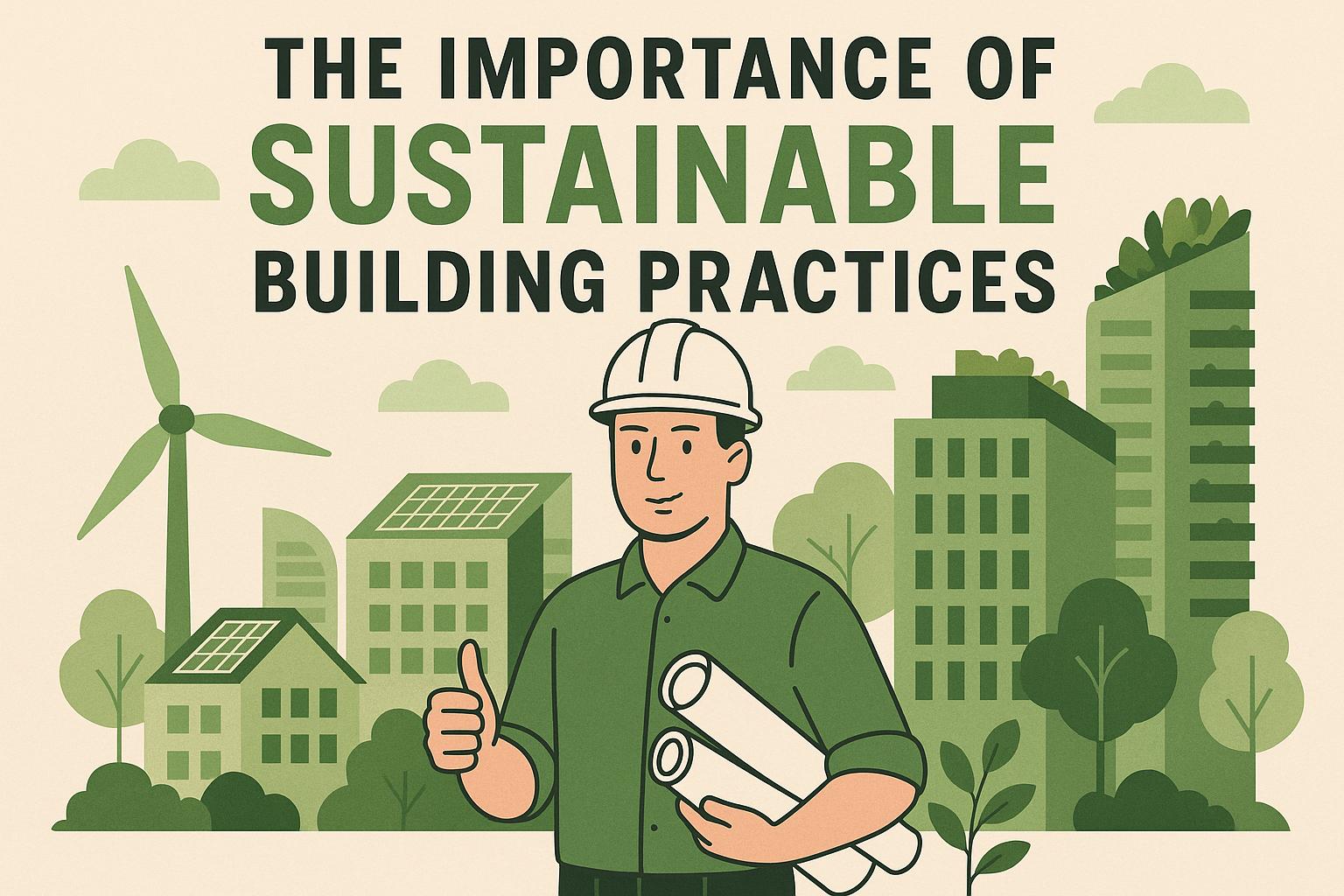
The modern construction industry faces numerous challenges, including environmental concerns, resource scarcity, and the need for energy efficiency. Sustainable building practices have emerged as a viable solution to address these issues, offering both ecological and economic benefits. The integration of sustainable techniques and materials is becoming increasingly important as we seek to reduce the industry’s carbon footprint and create healthier living environments.
The Environmental Impact of Construction
Traditional construction methods often involve significant resource consumption, waste production, and environmental degradation. These practices contribute to pollution, deforestation, and climate change. Sustainable building practices aim to mitigate these impacts by reducing resource use and minimizing waste. Implementing these practices leads to a decrease in the overall ecological footprint of construction activities.
Resource Efficiency
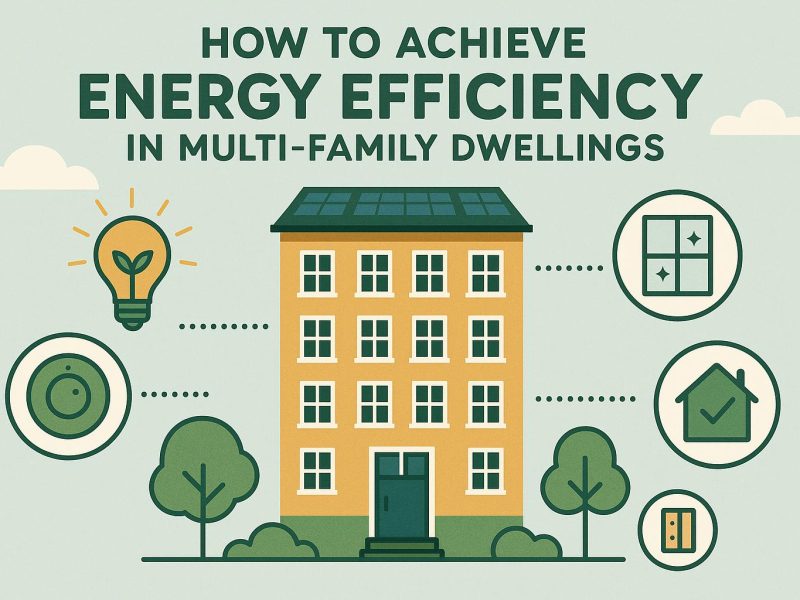
Sustainable buildings are designed to maximize resource efficiency. This involves using materials that have a lower environmental impact, such as recycled or locally sourced products. Sustainable construction often employs techniques that reduce water and energy usage, further decreasing the ecological footprint of new developments. For example, utilizing solar panels, energy-efficient appliances, and water management systems helps reduce the consumption of vital resources. The goal is to create buildings that not only use fewer materials but also consume less energy and water during their lifecycle.
Waste Reduction
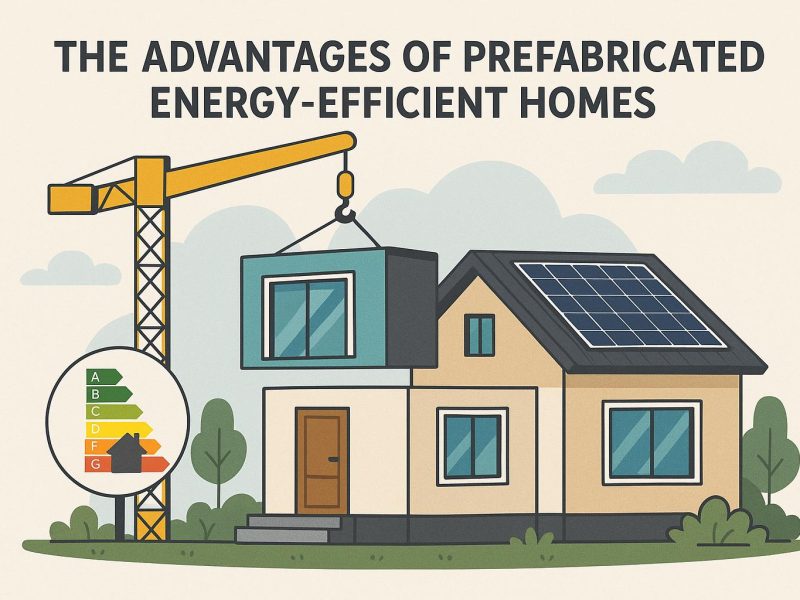
Waste reduction is another critical aspect of sustainable building. By implementing strategies like prefabrication, material reuse, and recycling, builders can significantly cut down on the waste generated during construction. Prefabrication involves assembling components of a structure in a factory before transporting them to the construction site. This process minimizes waste as there is better control over resources and materials. Moreover, encouraging material reuse and recycling means that fewer new materials are required, and existing materials are kept out of landfills. Overall, these practices contribute to a healthier environment and can reduce costs associated with waste disposal.
Economic Advantages of Sustainable Buildings
While the environmental benefits of sustainable building practices are clear, there are also substantial economic incentives for adopting these methods. The adoption of sustainable technologies not only aids in conserving the environment but also provides financial benefits that are increasingly appealing to builders and property developers.
Cost Savings
Sustainable buildings often result in long-term cost savings through improved energy efficiency and reduced utility bills. Innovations such as solar panels, rainwater harvesting, and high-performance insulation contribute to lowering the operational costs of buildings over time. For instance, solar energy harnessed for electricity can significantly decrease or even eliminate utility costs, leading to savings for building owners and occupants. High-performance insulation reduces the need for heating and cooling, further enhancing energy efficiency and cutting expenses.
Increased Property Value
Properties built with sustainability in mind typically see an increase in market value. Buyers and tenants are becoming increasingly aware of the benefits of green buildings, such as improved indoor air quality and reduced environmental impact. These factors make sustainable properties more attractive, potentially leading to higher resale values. As awareness around environmental issues grows, the demand for such properties is likely to continue increasing, further driving their value in the property market.
Sustainability in Action
Various certifications and standards exist to guide the sustainable building industry, promoting best practices. Some examples include LEED (Leadership in Energy and Environmental Design) and BREEAM (Building Research Establishment Environmental Assessment Method). These frameworks provide measurable criteria for assessing the sustainability of buildings and encourage builders to implement practices that meet or exceed these standards.
LEED Certification
LEED certification is a globally recognized symbol of excellence in green building. It involves independent, third-party verification that a building project meets high performance in sustainability metrics, including energy savings and water efficiency. LEED provides a framework to create healthy, highly efficient, and cost-saving green buildings and is widely adopted across various countries. This certification is a testament to a building’s commitment to sustainability and often serves as a key selling point in the commercial real estate market.
BREEAM Standards
BREEAM is another leading sustainability assessment method for buildings, setting the benchmark for best practices in sustainable building design, construction, and operation. Its criteria encourage the adoption of sustainable technologies and energy-efficient practices. BREEAM assessments provide a holistic view of construction practices, encompassing factors such as resilience, waste management, and indoor environmental quality. Meeting BREEAM standards often results in enhanced user satisfaction and reduced operational costs.
Conclusion
Embracing sustainable building practices is crucial for creating a more resilient and environmentally conscious construction industry. The advantages are clear: reduced environmental impact, substantial economic benefits, and a move towards a more sustainable future. As the industry continues to evolve, it will be vital for developers, architects, and policymakers to prioritize sustainability in their construction projects. For further reading and exploration on sustainable building practices, you can visit authoritative resources such as the U.S. Green Building Council or the BREEAM Official Site.