Understanding Energy Efficiency
Energy efficiency is a crucial component of modern living, offering a means to mitigate environmental impact and reduce utility expenses. By leveraging energy more effectively, the goal is to use less energy to achieve the same results, thereby reducing waste. Attaining energy efficiency is not merely about upgrading appliances or infrastructure, but also involves adjustments in daily habits and practices. Below, we explore various facets of achieving energy efficiency in greater detail.
Energy-Efficient Appliances and Systems
One of the primary steps towards maintaining energy efficiency is upgrading to energy-efficient appliances. These appliances are designed to use less energy than conventional models while providing the same level of performance and functionality. When searching for such appliances, it is crucial to identify those marked with the Energy Star label. This label indicates that the devices meet strict energy efficiency guidelines set by authoritative regulatory bodies. Beyond just the appliances, it is essential to consider the overall systems within a household or business, such as heating, ventilation, and air conditioning (HVAC) systems. Opting for HVAC systems that incorporate smart technology can provide substantial benefits. These systems offer remote management capabilities, allowing users to align energy usage more effectively with their daily routines and not waste energy when full capacity is not required.
Insulation and Weatherization
The role of insulation and weatherization in energy efficiency cannot be overstated. An adequately insulated building forms the cornerstone of an energy-efficient environment, helping to maintain consistent indoor temperatures irrespective of external weather conditions. It is essential to verify that spaces such as attics, walls, and floors have the appropriate level of insulation. Additionally, checking for and sealing any leaks around doors and windows with weather stripping or caulking can prevent the leakage of conditioned air, reducing the reliance on HVAC systems. This results in energy savings as the systems need not work as intensively to maintain optimal indoor conditions.
Regular Maintenance
Ensuring that all appliances and systems operate at their optimal efficiency over time requires regular maintenance. Routine activities may include tasks such as cleaning and replacing filters within HVAC systems to maintain airflow and prevent strain on the systems, which can lead to higher energy consumption. Moreover, inspecting electrical systems periodically helps in identifying potential inefficiencies. Calibrating thermostats for proper operation is another vital maintenance task. On top of these regular practices, scheduling professional evaluations of your energy systems can unveil inefficiencies that might go unnoticed otherwise, allowing for corrective measures to be undertaken early.
Behavioral Adjustments
Achieving energy efficiency is not limited to technological updates; behavioral changes play a significant role as well. Simple actions, like turning off lights in unoccupied areas and unplugging devices when they are not required, can lead to significant energy savings over time. Additionally, several other practices can further aid energy conservation. For instance, allowing clothes to air-dry when possible can reduce reliance on energy-hungry appliances like clothes dryers. Making use of natural daylight during bright periods reduces the need to use artificial lighting. Furthermore, curtailing the use of high-energy appliances during peak hours can optimize energy consumption patterns.
For more detailed guidance and methods to enhance energy efficiency in your surroundings, you can explore resources offered by organizations like the Department of Energy. These resources provide in-depth information on best practices and innovative techniques designed to promote energy conservation in various environments. If you’re interested in diving deeper into these strategies, a visit to energy-saving techniques and best practices can provide useful insights and actionable recommendations.
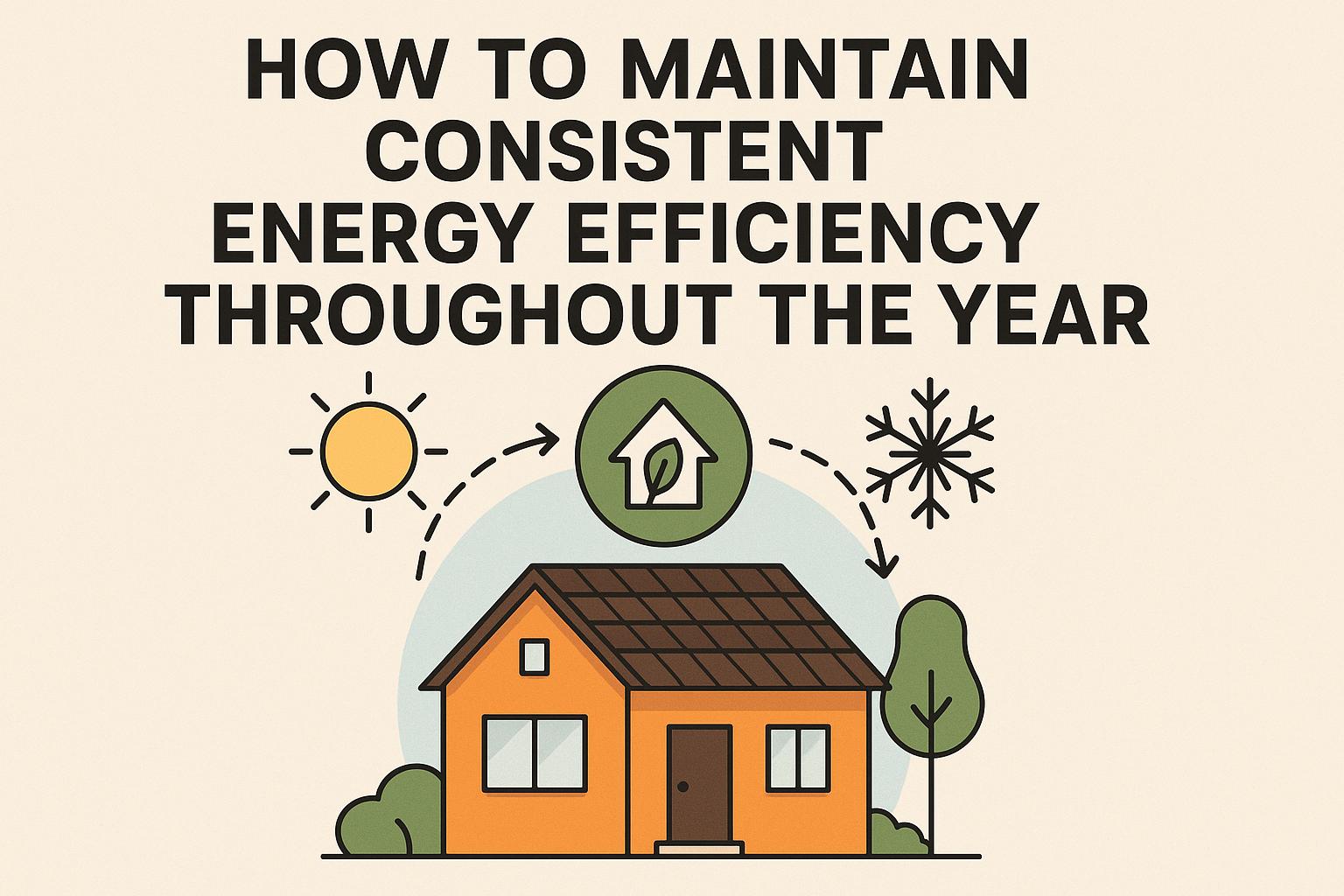
By integrating these varied approaches—ranging from selecting efficient appliances, ensuring proper insulation, performing regular system maintenance, and adopting energy-conscious behaviors—you can sustain efficient energy use throughout the year. This holistic strategy not only eases your environmental impact but also reduces your energy-related expenditures, thereby offering significant long-term benefits.