Introduction to Smart Plugs
Managing energy consumption efficiently is not only pivotal for reducing electricity expenses but also crucial in the endeavor to lessen the environmental impact of our daily activities. Devices like smart plugs play a significant role in helping individuals and households achieve these energy management goals. Essentially, smart plugs facilitate remote control of appliances and provide a way to monitor energy usage efficiently through their corresponding mobile applications. Over time, these devices can lead to substantial savings, both economically and environmentally.
How Smart Plugs Work
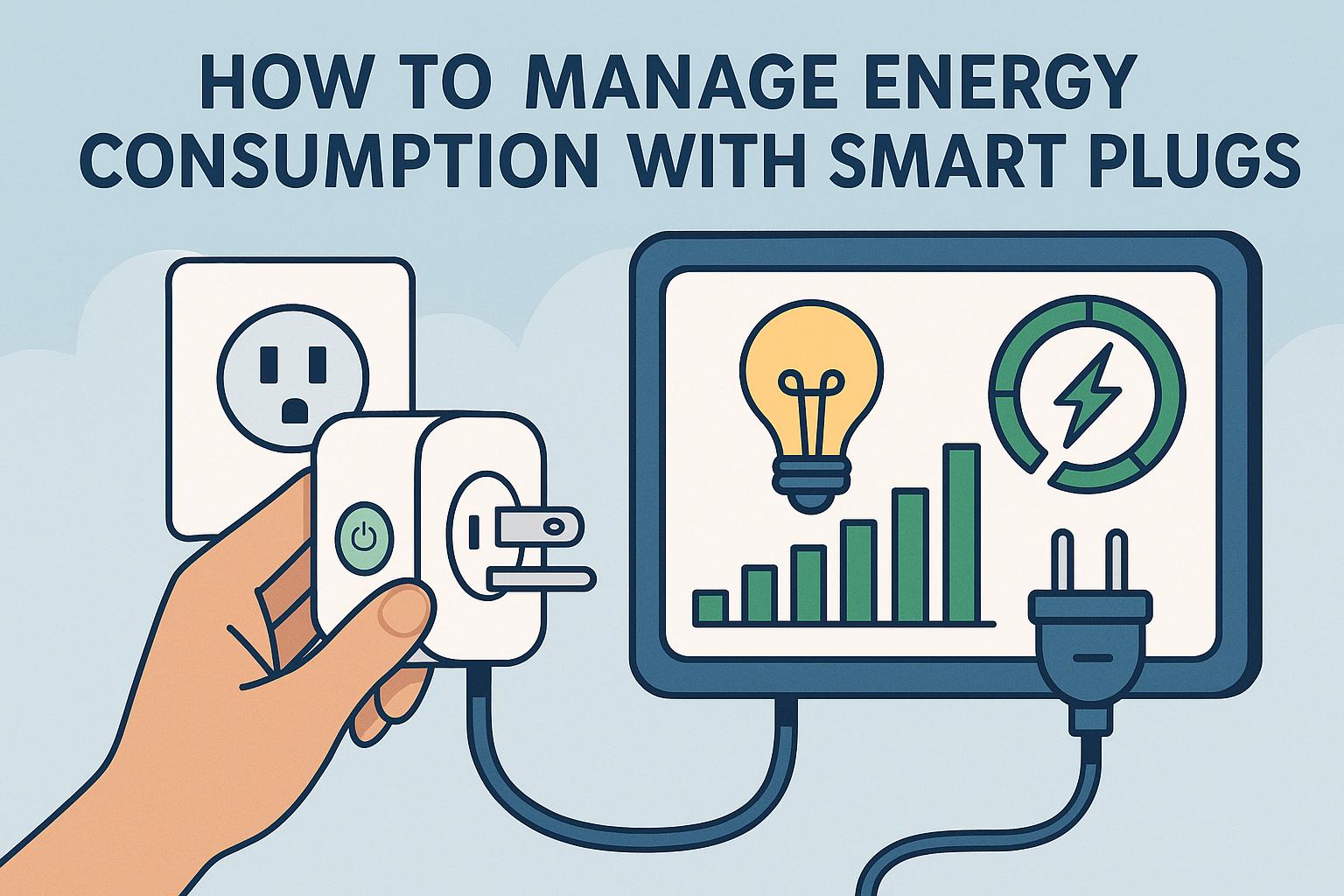
The operational mechanism of smart plugs revolves around their ability to connect to a home’s Wi-Fi network. This connectivity allows users to control their home appliances conveniently via smartphone apps or voice assistants. When you insert a smart plug between an electrical outlet and an appliance’s power plug, it becomes possible to control the electricity supply to that particular device remotely. This setup provides significant flexibility and convenience, enhancing how power usage is managed within a household.
Remote Control and Automation
One of the defining features of smart plugs is their ability to enable remote access. This capability gives users the power to switch appliances on or off from virtually anywhere using their smartphones. Such a feature proves particularly useful for switching off devices that might have been accidentally left on or managing appliance usage during periods when no one is home.
Moreover, smart plugs are capable of being set to operate according to specific schedules. As an illustration, you can have a smart plug turn a lamp on at sunset and switch it off at bedtime. This functionality not only aids in energy conservation but also bolsters home security by making the home appear occupied.
Energy Monitoring
In addition to providing control and automation features, many smart plugs come with energy monitoring capabilities. These devices can supply real-time data regarding power consumption, thus enabling users to identify which devices are consuming more energy than necessary. With this information, users can alter their usage habits to achieve more efficient energy consumption.
Integration with Smart Home Systems
Another notable feature of most smart plugs is their compatibility with major smart home ecosystems like Amazon Alexa, Google Assistant, and Apple HomeKit. This allows for seamless integration and voice control capabilities, which enhance the overall efficiency and convenience. By including smart plugs in broader smart home automation routines, users can create a more connected and responsive home environment.
Benefits of Managing Energy Consumption with Smart Plugs
By facilitating more efficient management of household appliances, smart plugs play a critical role in significantly reducing unnecessary energy usage. Several benefits underscore the importance of employing smart plugs:
Cost Savings: Smart plugs help in lowering electricity bills by reducing standby power consumption and optimizing appliance usage schedules.
Environmental Impact: When energy consumption is reduced, the carbon footprint decreases, thus supporting broader environmental protection efforts.
Convenience and Safety: The ability to control devices remotely adds a layer of convenience and ensures that appliances are not left running unintentionally, thereby reducing potential fire hazards.
Considerations When Implementing Smart Plugs
Despite the numerous advantages smart plugs offer, some factors must be accounted for to ensure optimal utilization:
Compatibility: Make sure that smart plugs are compatible with your current Wi-Fi network and any existing smart home systems.
App Features: Opt for a smart plug with a mobile app that includes the features you require, such as scheduling, energy monitoring, and device grouping capabilities.
Load Capacity: It’s crucial to verify the power rating of the smart plug to prevent overloading before connecting high-power appliances.
Conclusion
In today’s increasingly interconnected world, smart plugs emerge as an effective tool for the efficient management of energy consumption. They provide insightful data and offer enhanced control over household appliances, empowering users to make informed decisions regarding their energy usage. For those interested in exploring further information or examining available smart plug options, visiting the manufacturer’s website or consulting with a technology expert can be beneficial.