Introduction to Motion-Sensor Lighting Systems
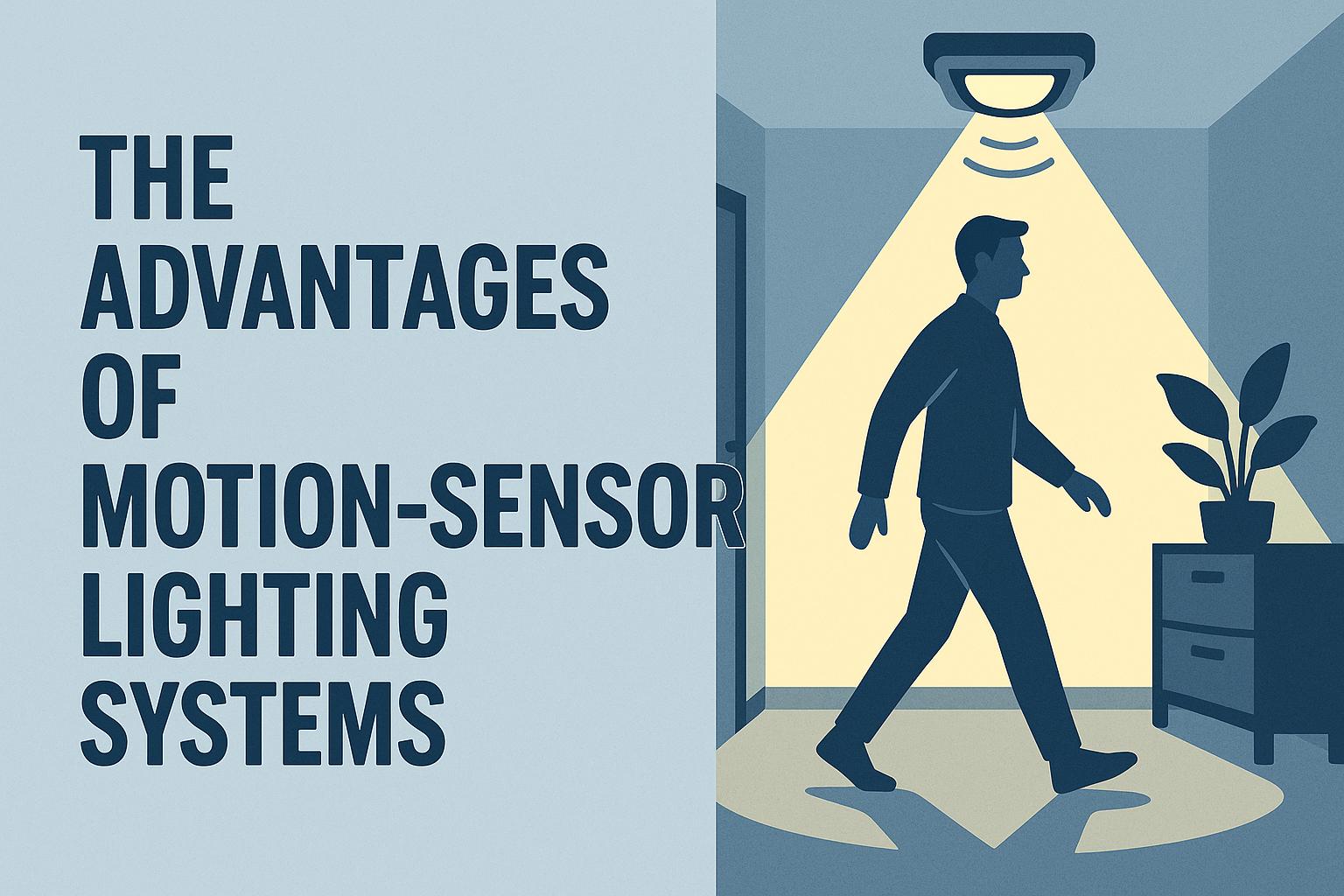
Motion-sensor lighting systems have emerged as a significant advancement in modern illumination technology. Beyond their ability to light up spaces only when required, these systems represent a blend of innovation and practicality, making them attractive in a variety of settings. Unlike traditional lighting systems where lights remain on until manually turned off, motion-sensor systems use sophisticated technology to detect movement. The lights automatically activate with motion and deactivate when the space is no longer in use. This attribute not only renders the systems convenient but also showcases an array of benefits that surpass those provided by conventional lighting.
Energy Efficiency
A key advantage of motion-sensor lighting systems is their remarkable energy efficiency. The principle behind these systems is simple yet impactful: lights are activated only when a presence is detected. This mechanism ensures minimal electricity wastage. For homeowners and businesses keen on adopting cost-effective energy solutions, motion-sensor lighting provides a compelling option. By drastically cutting down unnecessary energy usage, property owners can achieve substantial savings on their utility bills. Moreover, governments and environmental organizations often support the adoption of such energy-efficient technologies through incentives and rebates, further extending the financial benefits for users.
Enhanced Security
Security enhancement is another pivotal aspect of motion-sensor lighting systems. With their ability to automatically illuminate spaces upon detecting motion, these systems act as a deterrent for potential intruders. A sudden burst of light can startle trespassers, thereby reducing the risk of unauthorized access and theft. In addition to deterring crime, motion-sensor lights can provide an early warning system for homeowners and businesses by lighting up unattended areas when motion is detected. Outdoor environments, including driveways, backyard gardens, and dimly lit alleyways, particularly benefit from this feature, making properties feel safer and more secure.
Convenience and Ease of Use
Convenience is a hallmark of motion-sensor lighting systems. The technology eliminates the need for manual switching, a feature that proves particularly useful in situations demanding hands-free operations. Common areas such as staircases, hallways, garages, and utility rooms are typical examples where motion-sensor lights significantly enhance daily functions. Moreover, this automatic lighting is also beneficial for individuals with mobility challenges or in scenarios where carrying loads makes it difficult to reach light switches. The systems provide seamless lighting without human intervention, improving overall user experience.
Prolonged Bulb Life
Motion-sensor lighting systems can also contribute to an increase in the longevity of light bulbs. Typically, bulbs are conserved as they are only used when necessary, reducing the strain from continuous usage. Consequently, this leads to a reduction in the frequency of replacements needed, resulting in long-term cost savings from reduced maintenance and bulb purchases. This extended bulb life adds another layer of efficiency to the economic advantages of motion-sensor lighting, in line with both consumer interests and sustainability goals.
Environmental Benefits
With their reduced energy demands, motion-sensor lighting systems align well with environmental conservation efforts. Lower energy usage translates to a decreased dependency on nonrenewable energy sources such as fossil fuels, which are a significant contributor to greenhouse gas emissions. By adopting motion-sensor technology, individuals and organizations reduce their carbon footprint, promoting a cleaner and more sustainable planet. Furthermore, the trend of integrating environmentally friendly technologies into buildings meets various green building standards and initiatives, such as LEED (Leadership in Energy and Environmental Design) certifications that encourage the use of resource-efficient technologies.
Conclusion
In summary, motion-sensor lighting systems offer an array of advantages that make them a compelling choice across various applications, whether residential, commercial, or industrial. Their inherent design fosters energy efficiency and makes way for enhanced security measures, all while adding a layer of unmatched convenience. In doing so, they also extend the life of light bulbs and contribute positively to environmental goals by lowering energy consumption and reducing carbon emissions. Collectively, these features position motion-sensor lighting systems at the forefront of lighting technology. For those seeking to explore further, resources and detailed guides from well-regarded authorities such as the U.S. Department of Energy or consulting with specialists in smart home technologies provide a wealth of information on making the transition to or optimizing current lighting solutions with motion-sensor technology.