The Importance of Energy Efficiency in Home Renovation
Home renovation with a focus on energy efficiency is becoming increasingly popular, and for good reason. By prioritizing energy efficiency during renovations, homeowners not only contribute to a healthier environment but also enjoy the benefits of reduced utility bills and enhanced living comfort. This approach promotes a sustainable lifestyle and helps build resilience against rising energy costs. Throughout this expanded article, we will explore various strategies and considerations that are integral to achieving a more energy-efficient home.
Understanding and Conducting a Comprehensive Energy Assessment
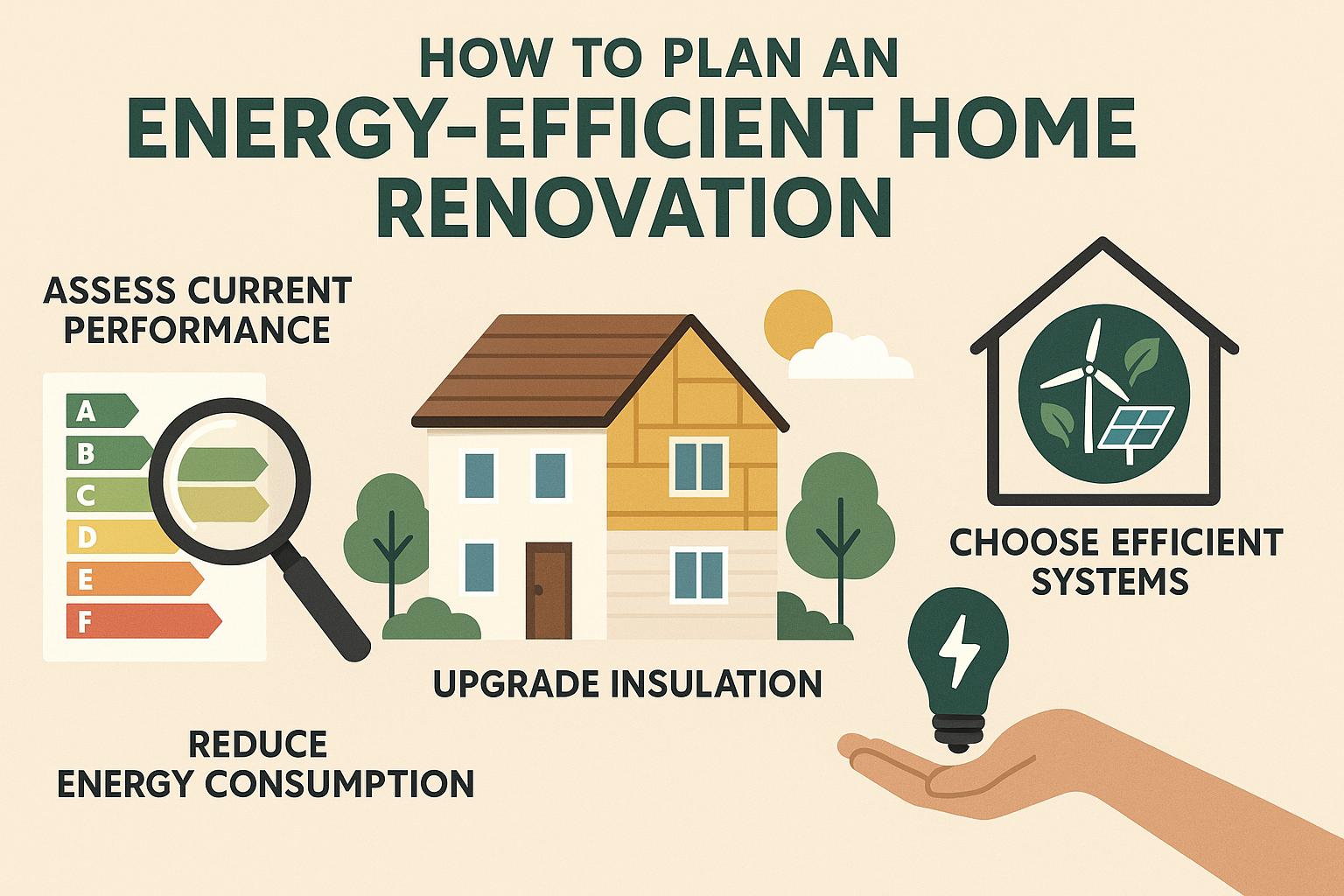
Before any renovation work begins, it’s essential to carry out a comprehensive energy assessment of your home. This initial step is crucial for understanding the current energy performance of your house and identifying specific areas where energy loss occurs. Professional auditors use various tools and techniques, such as thermal imaging and blower door tests, to pinpoint inefficiencies. The findings from this assessment allow homeowners to strategically plan renovations that target the most impactful areas. In the long run, this tailored approach maximizes energy savings and enhances the overall effectiveness of the renovation.
The Critical Role of Insulation and Sealing
Insulation plays a pivotal role in maintaining a stable internal climate within the home. By reducing the transfer of heat in and out of the building, effective insulation decreases the reliance on heating and cooling systems. Different areas of the home, such as walls, attics, and floors, may require specific types of insulation materials for optimal results. Sealing is equally important, as unsealed gaps around windows, doors, and other structural penetrations can lead to significant energy loss. Homeowners can use products like weatherstripping, caulking, and foam sealants to address these vulnerabilities efficiently. Additional insights into insulation materials and techniques can be found through resources like energy.gov.
Choosing Efficient Windows and Doors for Better Performance
Windows and doors are critical components in the energy efficiency equation of a home. Traditional single-pane windows can be major culprits of heat loss, leading to higher energy consumption. Investing in double or triple-glazed windows will enhance insulation and improve energy performance. Similarly, doors should be selected based on their energy ratings, focusing on those that offer superior thermal resistance. While enhancing energy efficiency, these upgrades also enhance the aesthetic appeal of the home, which is a valuable consideration for many homeowners.
Optimizing Heating, Ventilation, and Air Conditioning (HVAC) Systems
The HVAC system is the heart of a home’s climate control and therefore has a significant impact on energy use. Upgrading to a system with a high Seasonal Energy Efficiency Ratio (SEER) or Energy Efficiency Ratio (EER) can substantially lower energy consumption. Regular system maintenance, including tasks like changing filters, inspecting ducts, and ensuring proper ventilation, is essential for maintaining peak operational efficiency. Exploring a range of efficient HVAC options can be beneficial, and further information is accessible on websites like Energy Star.
The Transition to Energy-Efficient Lighting
Lighting is another area where significant energy savings can be realized. Traditional incandescent bulbs consume a lot of electricity and have a limited lifespan compared to their more energy-efficient counterparts. Transitioning to LED or compact fluorescent lighting is a simple yet effective measure to reduce energy consumption. Adding features like dimmer switches and motion sensors can further optimize energy use, ensuring lighting is only active when needed and adjusting to the required brightness levels as per occupant needs.
Advantages of Energy-Efficient Appliances and Electronics
Modernizing household appliances and electronics to more energy-efficient models is a practical approach to further reduce energy use. Products with the Energy Star label are specifically designed to consume less power while maintaining efficacy. Additionally, addressing “phantom load” by unplugging devices that draw power even when turned off can contribute to lower energy bills. Smart power strips and programmable timers can assist in managing energy consumption more effectively.
Exploring Renewable Energy Opportunities
Incorporating renewable energy systems is a forward-thinking strategy that brings numerous benefits to homeowners. Options such as solar panels and geothermal heat pumps provide sustainable energy solutions that reduce dependence on nonrenewable resources. Although the initial investment may seem substantial, various incentives, including tax credits and rebates, can offset the costs. The long-term financial benefits, along with increasing energy independence, make these installations an attractive choice for many. For more detailed information on renewable energy technologies and incentives, the NREL website is a valuable resource.
Final Thoughts on Energy-Efficient Renovation
Ultimately, an energy-efficient home renovation requires careful consideration and planning across different aspects of the home. By conducting thorough assessments, enhancing insulation, upgrading vital systems, and exploring renewable energy solutions, homeowners can achieve a harmonious balance between comfort, efficiency, and sustainability. The immediate and long-term benefits of reduced energy bills and environmental impact underscore the wisdom of investing in energy efficiency. Prioritizing these aspects not only fosters a healthier living environment but also contributes to broader ecological preservation efforts.
This expanded discourse aims to provide a comprehensive understanding of the strategies available for creating an energy-efficient home. By adopting these considerations during your renovation, you can enjoy significant savings and contribute positively to environmental conservation, ensuring that your home’s energy use is both responsible and effective.