Energy-Efficient Appliances
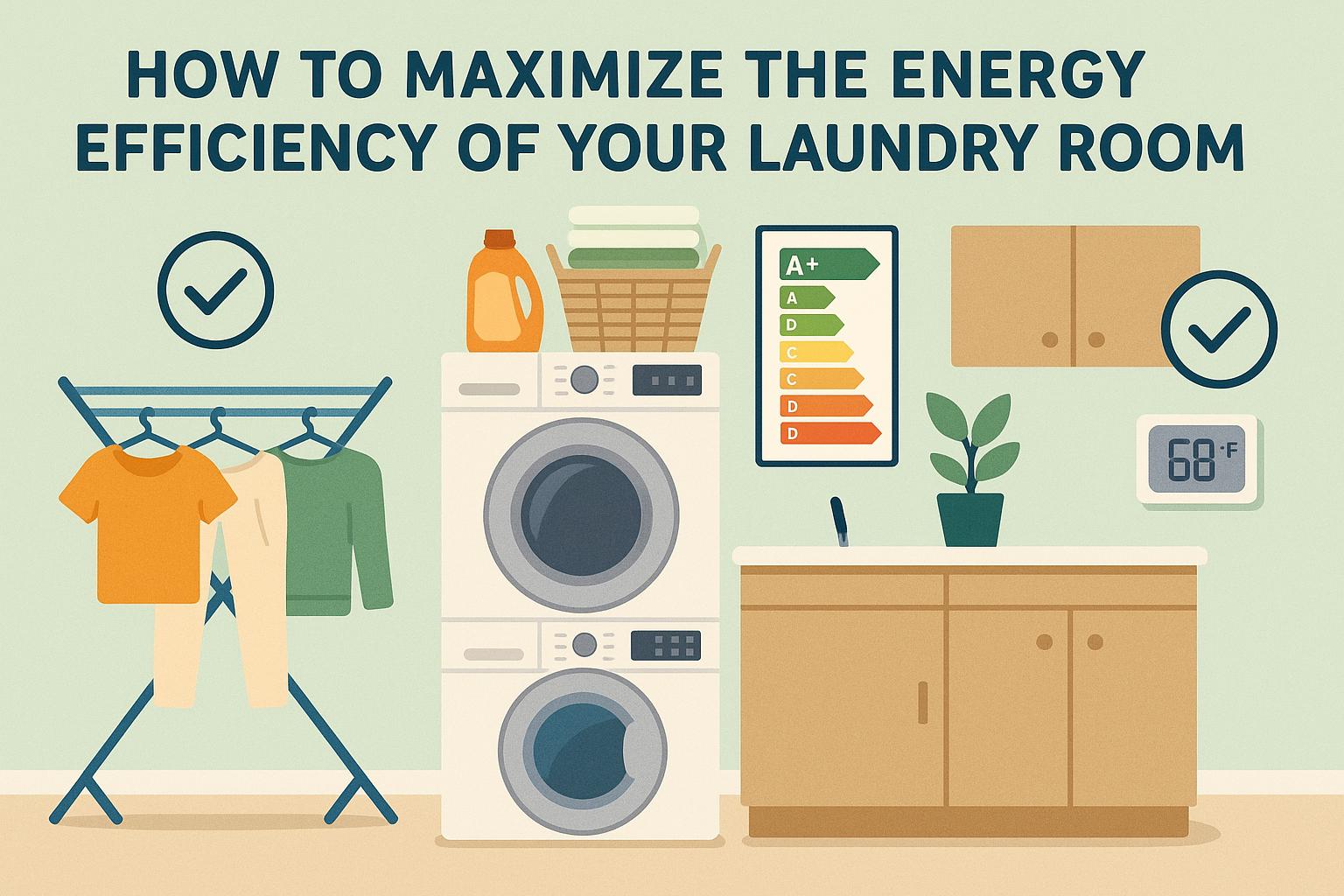
Modern households are increasingly looking towards energy-efficient appliances as a method to minimize energy consumption and promote sustainability. Among the household areas that can benefit considerably from such appliances, the laundry room is a key space where significant energy conservation can be achieved. Today’s washers and dryers are designed with advanced technology to consume less water and electricity, offering a remarkable reduction in the overall energy consumption of a household. Investing in appliances with an Energy Star label ensures compliance with the energy efficiency standards established by the U.S. Environmental Protection Agency, which acts as a reliable indicator of an appliance’s performance in energy saving.
Enhancing the energy efficiency in your laundry room begins with thoughtful investments in appliances but also extends to optimizing their usage and maintaining them properly. This comprehensive approach not only helps conserve energy but also ensures the longevity of the appliances, offering dual benefits of sustainability and cost efficiency.
Washer Efficiency
In the quest to find a washing machine that aligns with energy-saving goals, the selection of front-loading washers emerges as a highly efficient choice. Unlike traditional top-loading models, front-loading washers are engineered to use a reduced amount of water and energy while maintaining superior cleaning efficiency. An important feature to consider in washing machines is the availability of multiple settings, which allow users to tailor the washing cycle according to the load size, minimizing water and electricity use. Capacity adjustments and settings flexibility contribute significantly to energy savings, while also delivering optimal wash performance. For a deeper understanding of how to select an energy-efficient washing machine, explore this guide on washer efficiency.
Dryer Optimization
Dryers, much like washers, provide ample opportunities for energy optimization. Investing in a heat pump dryer is a strategic move for households aiming to cut down on energy use. These models operate by recycling heat within the system, a process that markedly reduces the need for additional energy consumption compared to traditional dryers. However, if upgrading to a heat pump dryer is not feasible, maintaining the current dryer in top condition can contribute to energy efficiency. Routine cleaning of lint filters is crucial to enhance air circulation, which in turn, reduces drying time and conserves energy. For more insights on dryer optimization, refer to this resource on dryer optimization.
Effective Use of Space
The layout and organization of your laundry room also play a vital role in maximizing energy efficiency. By reorganizing and ensuring effective use of space, better air circulation and appliance performance can be achieved. Installing adequate shelving is a practical solution to keep cleaning tools and laundry products tidy and accessible. An organized space prevents clutter from accumulating around appliances, which could otherwise hamper their performance and efficiency. Efficient space use in the laundry room leads to improved energy utilization and more efficient appliance operation.
Light Optimization
Lighting is often an underestimated element in the context of energy efficiency within the laundry room. Replacing traditional incandescent light bulbs with LED bulbs is a straightforward yet impactful change. LED bulbs offer the advantage of longevity and consume considerably less energy, contributing to reduced electricity bills over time. Additionally, the strategic use of natural light can significantly cut down on the reliance on artificial lighting during daylight hours, thus achieving further energy savings.
Sustainable Practices
Besides upgrading appliances and optimizing space, adopting sustainable laundry practices can bolster the energy efficiency of your laundry operations. Utilizing cold water settings on your washer is a simple yet effective way to conserve energy, as a bulk of the energy consumed during the washing process is attributed to heating water. By opting for cold water washes when suitable, energy use can be significantly minimized without compromising on cleanliness.
Furthermore, employing techniques such as air-drying clothes can substantially reduce the energy used by conventional dryers. Whether hanging clothes outdoors in natural sunlight or setting up indoor drying racks, air-drying remains an energy-efficient alternative for reducing the overall consumption of household energy.
Detergent Choice
The choice of detergent also influences the energy efficiency of your laundry efforts. High-efficiency (HE) detergents are specially formulated to perform well in low-water, energy-efficient washing machines. These detergents work effectively at lower water and energy levels, contributing to greater overall efficiency and sustainability. Becoming informed about the benefits of HE detergents and integrating them into your laundry routine can ultimately contribute to a more environmentally friendly home. To explore more about the advantages of HE detergents, visit this article on sustainable laundry solutions.
Ultimately, a comprehensive approach that incorporates energy-efficient appliances, mindful organization, sustainable practices, and appropriate product choices can transform your laundry room into an environmentally efficient space. The combined impact of these changes results in lower energy consumption, reduced environmental impact, and enhanced cost savings. Embracing energy efficiency in the laundry area is a practical step towards a more sustainable household.