Understanding the Importance of Energy Efficiency in Home Security
In recent years, there has been a growing focus on making home systems more energy-efficient. This trend extends to home security systems, which have traditionally been significant energy consumers. By integrating energy efficiency into home security, homeowners can not only reduce their environmental footprint but also lower their utility bills. This goes hand in hand with the increasing awareness of the importance of sustainable living and the desire to embrace technology that aligns with these values.
Energy-Efficient Security Cameras
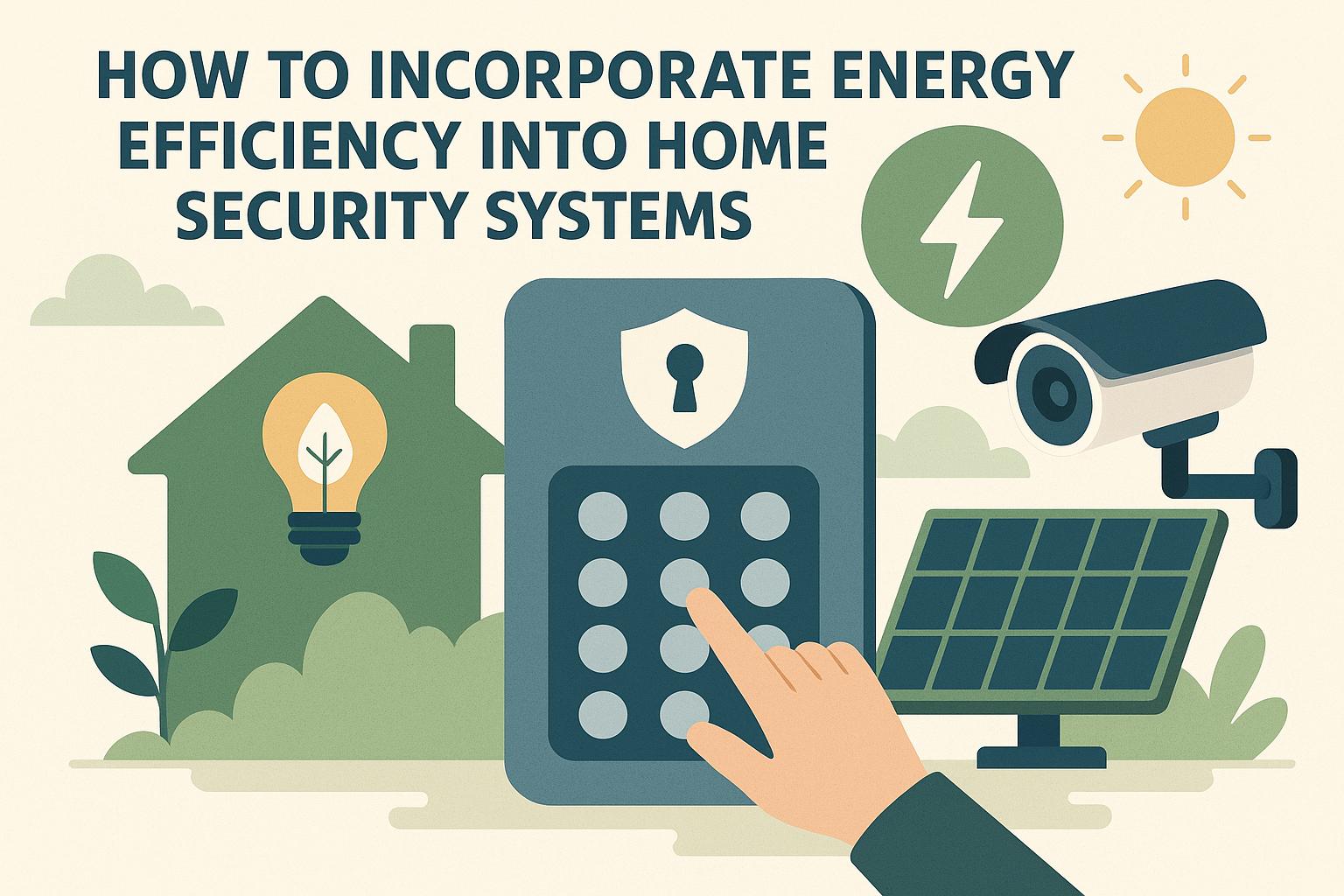
Security cameras have become an essential component of modern home security systems. However, traditional cameras often consume substantial amounts of energy. Opting for energy-efficient security cameras can mitigate this issue. Many of the latest models come equipped with motion detection technology, ensuring that the camera only records when activity is detected. This feature substantially reduces energy consumption by minimizing unnecessary operation.
Further, choosing cameras that are designed with energy efficiency in mind not only cuts down on electricity use but also leads to less frequent charging or battery replacement. When considering energy-efficient cameras, look for devices with solar-powered options or those that are compatible with advanced battery technology. Choosing Energy Star-rated equipment can further guarantee that you are purchasing energy-efficient products, allowing for a combination of security and sustainability.
Smart Lighting with Energy Efficiency
Lighting plays a crucial role in home security, as well-lit properties are generally less attractive targets for intruders. However, keeping lights on overnight or for extended periods can be wasteful and lead to elevated energy bills. By introducing smart lighting systems that utilize LED bulbs and motion sensors, homeowners can enhance security while maintaining energy efficiency.
LED bulbs are particularly energy-efficient, using a fraction of the energy consumed by traditional incandescent bulbs. In combination with motion sensors, these lights activate only when necessary, further saving energy. Additionally, smart lighting systems can integrate with smart home hubs, allowing for convenient remote management via smartphone applications. This feature enables homeowners to configure the lighting schedule based on their specific routine and preferences, further optimizing energy use.
Consider setups where lights can be programmed to simulate occupancy when you’re away from home. This not only conserves energy but adds an extra layer of security by deterring potential intruders.
Automated Thermostat and Energy Management Systems
A less immediately obvious area for energy conservation in home security is the use of automated thermostats and energy management systems. By integrating your security system with a modern thermostat, you ensure that your home’s heating and cooling needs are coordinated with your security measures. For instance, when the security system is activated or deactivated, the thermostat can adjust to energy-saving levels automatically, ensuring that your home remains both secure and energy-efficient.
An automated thermostat can be connected to the smart grid, allowing it to optimize energy use across all connected devices. This type of coordination means that during security breaches or when the family is away, the energy management system optimizes energy consumption, leading to further savings.
Routine Maintenance and Energy Performance
Even the most advanced security systems require regular maintenance to ensure they remain energy-efficient. Routine checks of your devices prevent energy wastage due to potential malfunctions or wear. It’s important to inspect all components for signs of wear or damage regularly. Additionally, ensure that firmware and software updates are consistently applied, as manufacturers often release updates to improve device efficiency or solve bugs that might lead to energy inefficiency.
By adhering to these guidelines, homeowners can enjoy a modern, secure, and environmentally conscious home. Integrating energy efficiency into home security systems not only takes responsibility for the environment but also yields significant financial savings over time.
In conclusion, it is clear that the convergence of energy efficiency and home security represents a step forward in responsible homeownership. As technology advances and becomes more integrated into our daily lives, embracing such solutions is beneficial both for the homeowner and for the broader efforts towards sustainability. Each element of a home security system—the cameras, lighting, thermostats, and even routine maintenance—plays a role in forming an energy-efficient ecosystem that offers peace of mind along with tangible reductions in electricity use.
Adopting these energy-efficient practices ensures that while our homes remain sanctuaries in terms of safety and security, they also stand as examples of sustainable living in a world where resource conservation is becoming increasingly critical. Embracing these technologies demonstrates a commitment to both personal and environmental well-being, reinforcing the home’s role as a forward-thinking entity that actively contributes to the betterment of the community and the planet.