The Importance of Energy-Efficient Design
Energy-efficient design is increasingly acknowledged as a vital strategy to mitigate environmental challenges by minimizing the carbon footprint of buildings and other structures. Given that both the construction and operation of buildings are among the major sources of global carbon emissions, adopting energy-efficient practices provides significant environmental benefits.
Understanding Energy Efficiency in Design
Energy-efficient design involves the careful planning of buildings and infrastructure to maximize energy utilization. This not only helps in reducing energy consumption but also ensures comfort and functionality are not compromised. The concept often encompasses the use of sustainable materials, modern technologies, and passive strategies designed to enhance energy conservation.
Key Components of Energy-Efficient Design
Insulation and Materials: Proper insulation is essential for minimizing the need for additional heating or cooling, thus conserving energy. Selecting materials with excellent thermal resistance plays a crucial role in impacting overall energy usage. By reducing heat transfer, effective insulation not only cuts energy demands but also maintains a more stable interior climate.
Lighting Solutions: Implementing energy-efficient lighting, such as LED bulbs, and smart lighting systems significantly reduces energy usage and emissions. LEDs are known for their long lifespan and efficiency, thus requiring less energy overall. Smart lighting, on the other hand, provides the ability to tailor lighting usage according to needs, further preserving energy.
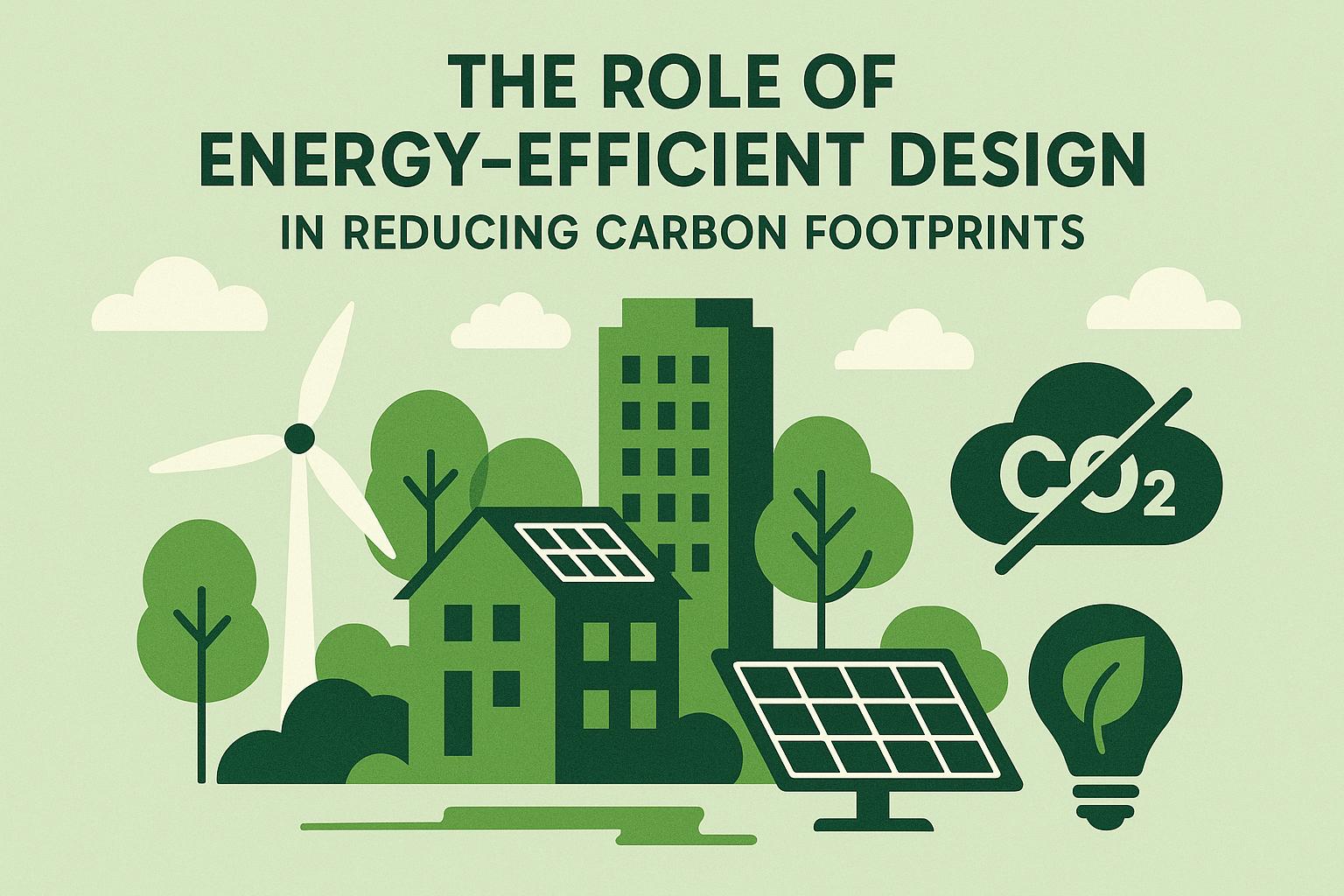
Renewable Energy Sources: The integration of renewable energy installations—such as solar panels or wind turbines—can considerably meet the energy requirements of a building, decreasing reliance on fossil fuels. Renewable energy sources offer cleaner alternatives that not only reduce carbon emissions but also provide economic benefits through energy savings.
Technological Innovations
Technological advancements have notably increased the effectiveness of energy-efficient designs. For example, smart home systems facilitate real-time energy monitoring and allow automated adjustments to enhance energy optimization. In addition, high-performance windows, energy-efficient HVAC (Heating, Ventilation, and Air Conditioning) systems, and cutting-edge thermal insulation technologies contribute extensively to a more sustainable energy footprint.
Impact on Carbon Footprint
Embracing energy-efficient design significantly influences the reduction of a building’s carbon footprint. Structures that focus on energy efficiency tend to:
- Require less energy for heating, cooling, lighting, and appliances.
- Decrease dependence on non-renewable energy sources.
- Offer lower operational costs throughout their life cycle, thereby presenting economic advantages.
Examples of Energy-Efficient Design Implementation
Several countries have introduced policies to promote energy efficiency in new construction projects, often making them an integral component of green building certification programs. By adopting energy-efficient design frameworks, these policies aim to curtail greenhouse gas emissions while simultaneously fostering healthier living conditions. Such initiatives underscore the dual benefits of energy efficiency: environmental protection and improved quality of life for occupants.
These initiatives lead to the creation of healthier spaces with improved air quality and thermal comfort, fostering a conducive environment for productivity and well-being. As a testament to these efforts, many developers strive towards certifications like LEED (Leadership in Energy and Environmental Design), which set high standards for the construction and operation of green buildings.
Environmental and Economic Implications
The broader implications of energy-efficient design extend beyond immediate energy savings. By decreasing the reliance on fossil fuel-based energy, these designs contribute to broader efforts to curtail climate change and promote sustainable development. Furthermore, energy-efficient buildings often exhibit enhanced market value, representing a prudent investment for future sustainability.
On the economic front, the reduced energy consumption associated with energy-efficient designs results in lower operational costs. This economic benefit is particularly appealing in commercial and residential real estate, where energy costs constitute a substantial portion of ongoing expenses. Over time, the return on investment for implementing such designs can be significant, with savings outweighing initial costs.
The Role of Governments and Policymakers
Governments and policymakers at various levels play a pivotal role in promoting and supporting energy-efficient design practices. Through incentives, regulations, and educational initiatives, they encourage the adoption of sustainable building strategies. By providing grants, tax breaks, and subsidies, authorities can make energy-efficient designs more attainable and financially viable for developers and property owners.
Moreover, establishing stringent energy-efficiency standards for new constructions ensures that future developments contribute positively to energy conservation objectives. These policies often encourage a collaborative approach, involving architects, engineers, builders, and stakeholders intricately to align efforts towards sustainable building practices.
In conclusion, energy-efficient design presents a crucial avenue for substantially reducing carbon footprints, aiding global endeavors to combat climate change. By incorporating advanced energy-efficiency measures into the design and construction process, it is possible to achieve sustainable development and guarantee a healthier, more sustainable planet for future generations. Through persistent efforts and innovative approaches, the transition to energy-efficient solutions can be a fundamental pillar of modern architecture and infrastructure.