Understanding Phantom Loads
Phantom loads, also referred to as standby power or vampire power, are terms used to describe the energy consumed by electronic devices even when they are turned off or left in standby mode. In our modern, technology-driven world, these phantom loads represent a silent drain on energy resources, contributing to escalating electricity bills and a wastage of valuable energy. Notably, the proliferation of devices that remain plugged in constantly, such as televisions, chargers, and kitchen appliances, significantly contributes to this problem.
The quantum of electricity consumed by these idle devices can be substantial. For instance, devices left on standby mode often have small indicator lights, clocks, or power sensors that require a continuous energy supply. This low-level energy consumption adds up over time, leading to an increase in electricity bills that may go unnoticed, while also contributing to the larger issue of unnecessary energy consumption.
Introduction to Smart Power Strips
The introduction of smart power strips marks a step forward in addressing the challenge posed by phantom loads. Designed to curtail unnecessary energy consumption, smart power strips provide a revolutionary alternative to traditional power strips by incorporating advanced features. These features include the capability to automatically detect when devices are not in use and cutting off their power supply accordingly. This technology not only assists in reducing phantom power consumption but also enhances efficient energy management across various settings, such as homes, offices, and even industrial environments.
Types of Smart Power Strips
There is a range of smart power strips available, each designed to tackle phantom loads using different strategies. Understanding these options can help consumers choose the most suitable type for their needs:
Timer-based smart power strips allow users to program the strip to power devices on or off at specific times during the day. This can be particularly useful in scenarios where usage patterns are predictable, thereby ensuring that devices are not consuming power when not needed.
Motion sensor-based smart power strips are equipped with sensors that detect movement within a room. After a specified period of inactivity, these strips automatically cut off the power supply to connected devices. This innovation is particularly beneficial in rooms that are used occasionally, such as guest rooms or meeting rooms in office spaces.
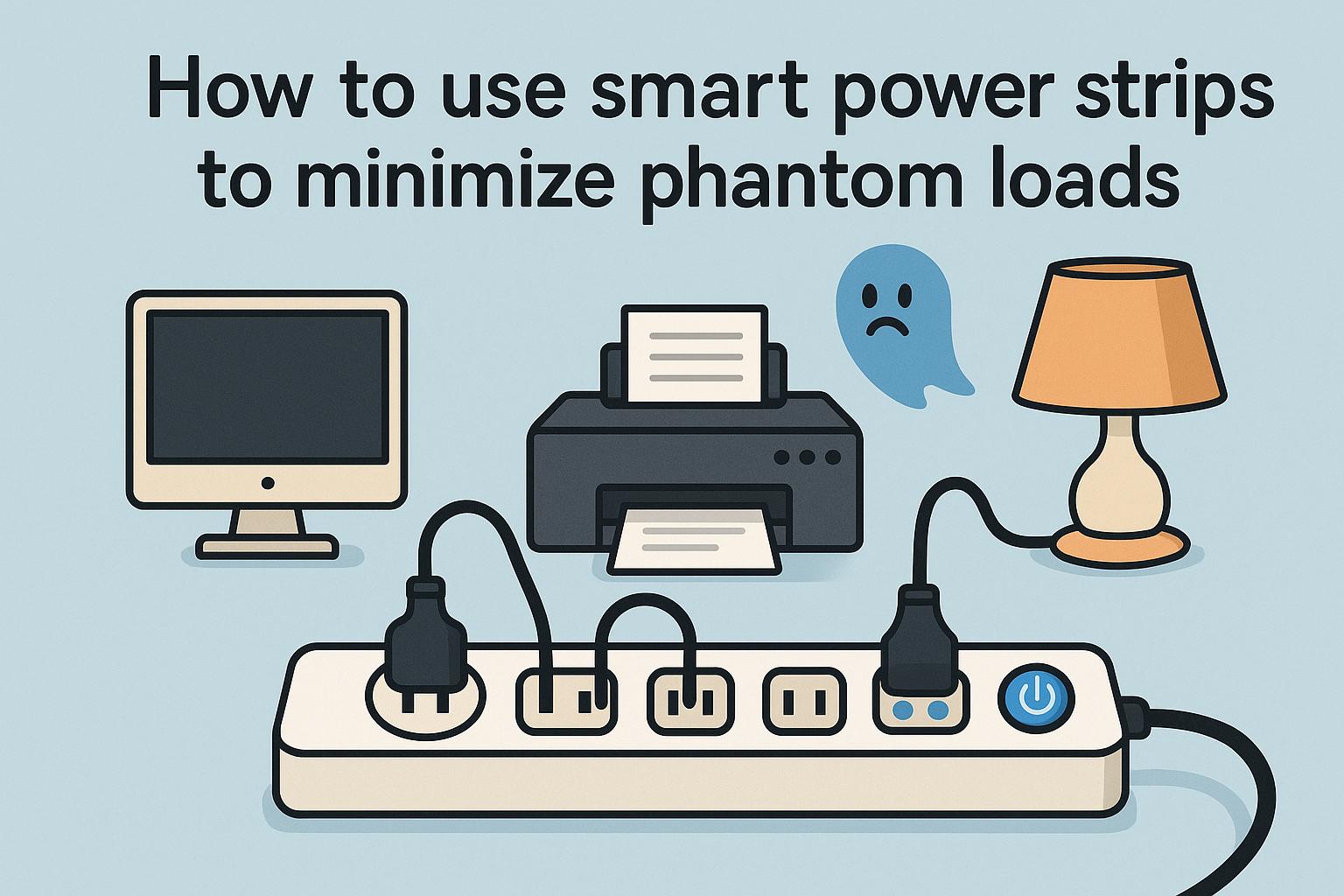
Current-sensing smart power strips are designed to recognize when a main device is turned off. Upon detection, they proceed to cut power to any peripheral devices connected to the main device. For example, a computer setup may include several devices like a monitor, printer, and speakers; the current-sensing strip can ensure that these peripherals are powered down when the computer is shut off.
Benefits of Using Smart Power Strips
The adoption of smart power strips offers multiple benefits:
Energy Efficiency: By strategically cutting off power to idle or rarely used devices, smart power strips present a straightforward method for decreasing overall energy consumption. This, in turn, contributes to broader energy conservation efforts.
Cost Savings: Reduced energy consumption directly translates into lower electricity bills, offering significant cost savings to households and businesses over time. This makes smart power strips a financially prudent choice in energy management.
Convenient Management of Devices: Smart power strips automate the power supply management process for multiple devices, offering a streamlined and hassle-free approach. This makes it easier for users to ensure that their devices operate efficiently with minimal manual intervention.
How to Use Smart Power Strips Effectively
To leverage the full potential of smart power strips, some best practices can be adopted:
Placement: Strategically place smart power strips in areas where electronic devices are densely located. Key areas include entertainment centers with televisions and gaming consoles, computer workstations, and home office setups. This maximizes the impact of the power strip by managing high-energy-consuming zones.
Configuration: Proper configuration is crucial for effectiveness. Users should set up the smart power strip to align with their specific usage needs, ensuring that devices are powered according to their operational requirements. By programming the smart strip to match personal usage patterns, phantom loads can be minimized effectively.
Regular Monitoring: Continual monitoring of power usage ensures the optimal functioning of the smart power strips. Many manufacturers provide companion apps that facilitate easy tracking of energy consumption. Through these apps, users can receive insights into their consumption patterns, make adjustments as necessary, and verify that the smart power strip is indeed cutting down on phantom loads.
Conclusion
In conclusion, smart power strips represent an intelligent and efficient solution to the pervasive issue of phantom loads. By understanding their functionality and effectively integrating them into electronic ecosystems, individuals and organizations can achieve significant reductions in energy waste, contribute to energy conservation initiatives, and experience tangible savings on utility expenses. Not only do these innovative devices pave the way for smarter energy management, but they also align with broader environmental sustainability goals by curbing unnecessary power consumption. For those interested in delving deeper into the subject of smart power strips, and other energy-saving strategies, resources can be found on reliable energy efficiency-focused technology platforms through specialized links provided by industry experts.