Introduction to Energy-Efficient Skylights
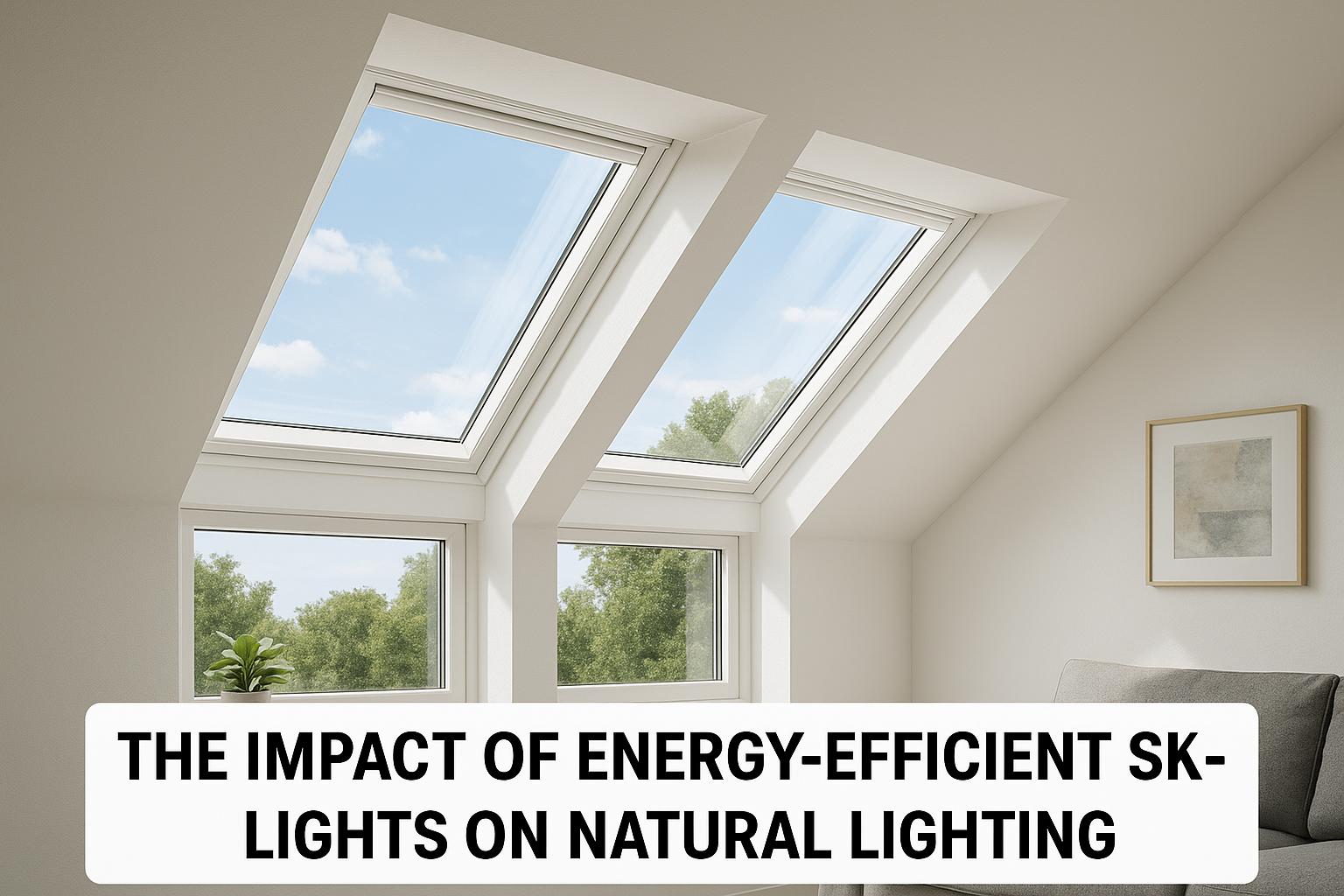
Energy-efficient skylights are gaining popularity among homeowners and architects who aim to optimize natural lighting while simultaneously reducing energy consumption. These advanced skylights differ from their traditional counterparts by focusing on minimizing heat loss during winter and reducing heat gain in summer. The inclusion of such skylights in a building can greatly improve energy efficiency and contribute to a more pleasant indoor environment.
How Energy-Efficient Skylights Work
The main function of energy-efficient skylights is to provide natural illumination, potentially diminishing the need for artificial lighting during daylight hours. These innovative skylights employ cutting-edge technologies, such as low-emissivity (Low-E) glass coatings and insulated frames, making them not only effective in terms of lighting but also efficient in energy conservation. Low-E coatings are specifically designed to reflect infrared light, ensuring that heat is retained within the space during colder months and kept outside during warmer months. The insulated frames that accompany these skylights further reduce thermal bridging, thereby enhancing their overall efficiency.
The Role of Natural Lighting
Natural lighting plays an integral role in elevating indoor environmental quality. Proper daylighting not only enhances the aesthetic appeal of interior spaces but also has a positive impact on the well-being and productivity of those who inhabit the area. According to the U.S. Department of Energy, capitalizing on the benefits of natural light is a sustainable strategy to maximize daylight penetration within buildings, thereby decreasing reliance on artificial lighting sources.
Advantages of Installing Energy-Efficient Skylights
There are several benefits associated with the integration of energy-efficient skylights that go beyond energy savings. These advantages include:
Improved indoor air quality: Many energy-efficient skylights come equipped with ventilation options designed to regulate airflow, ultimately leading to enhanced indoor air quality.
Reduced energy costs: By diminishing the dependence on electrical lighting and boosting thermal performance, energy-efficient skylights can contribute to lower heating and cooling expenses.
Enhanced aesthetics: The presence of natural light channeled through skylights creates a visually appealing environment, significantly enhancing the ambiance and aesthetics of any room or space.
Considerations When Choosing Energy-Efficient Skylights
When selecting energy-efficient skylights, several factors must be considered, including the skylight’s position, type of glazing, and quality of installation. The position of the skylight affects both the quantity and angle of natural light that penetrates a space, making it critical for energy efficiency. The glazing type, whether double or triple glazing, offers differing levels of insulation and energy efficiency. Professional installation is crucial to ensure that the skylights perform optimally, thereby maximizing energy savings and longevity.
In conclusion, energy-efficient skylights present a strategic solution for optimizing natural lighting while maintaining a focus on energy efficiency. By comprehending the technical aspects and benefits of these skylights, homeowners and builders can make well-informed decisions that ultimately help in optimizing living and working spaces.
Applying these considerations thoughtfully not only contributes to reduced energy consumption but also enhances the overall indoor environment, fostering a healthier and more productive setting. The strategic incorporation of skylights can lead to significant improvements in environmental quality indoors, accentuating the architectural elements and transforming the way natural light interacts with interior spaces.
Planning for the right position, understanding the insulative properties of different types of glazing, and ensuring quality installation are all steps that underpin the effective integration of energy-efficient skylights into both residential and commercial settings. As demand for sustainable building solutions continues to rise, the relevance of energy-efficient skylights will only increase, underscoring their potential in contributing to more sustainable and enjoyable built environments.