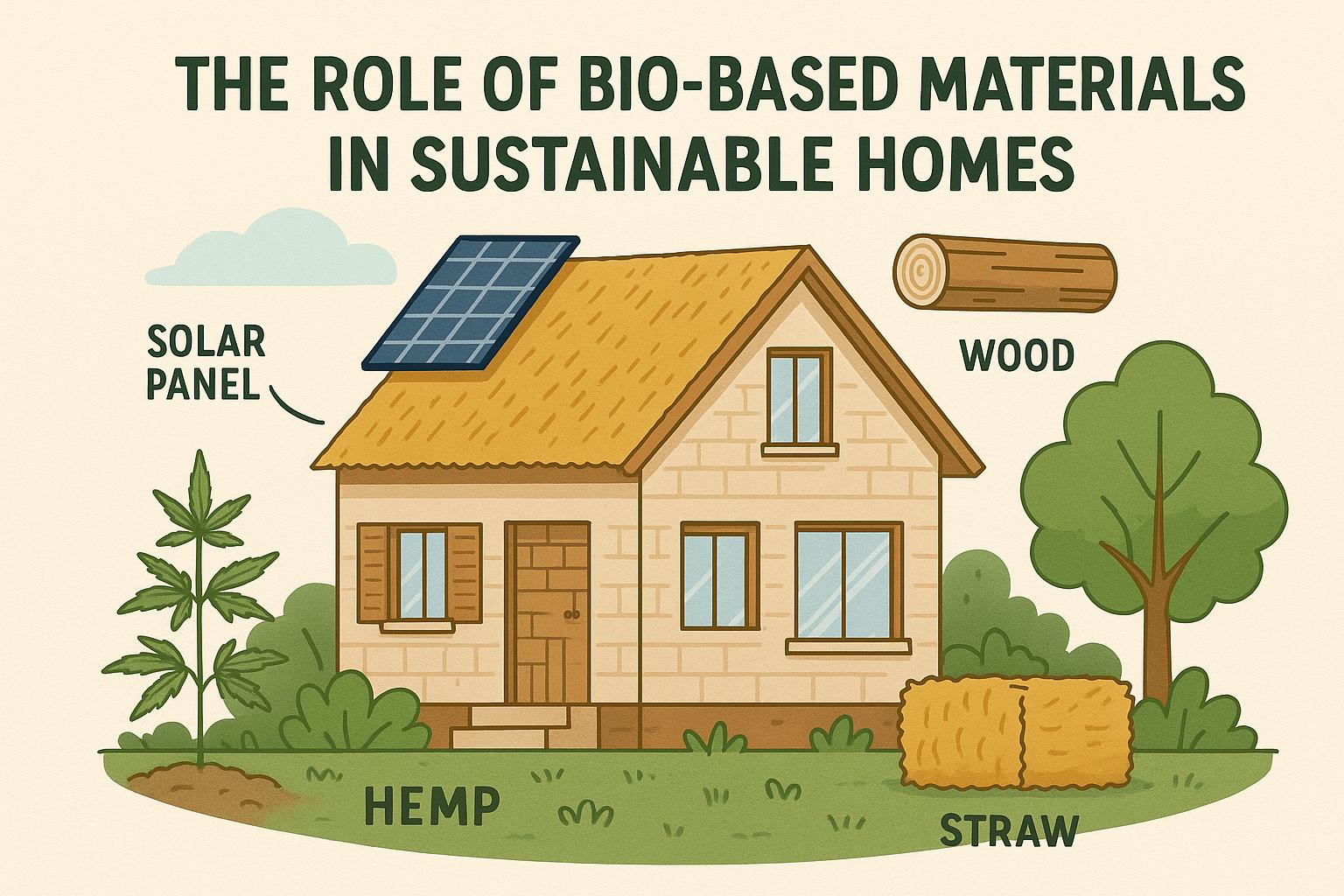
The Significance of Bio-based Materials in Sustainable Homes
Bio-based materials are increasingly recognized as pivotal elements in the architecture and construction of sustainable homes. These materials, sourced from renewable biological resources, offer an alternative to traditional building materials, which often have a significant environmental impact. As demand rises for environmentally-friendly housing solutions, the role of bio-based materials in constructing sustainable homes has become crucial in reducing ecological footprints across the globe.
Environmental Impact of Bio-based Materials
One of the greatest benefits of utilizing bio-based materials lies in their reduced environmental impact. By their very nature, these materials tend to have a lower carbon footprint compared to conventional options. For instance, bio-based insulation materials, such as cellulose and wool, not only require less energy to produce but also result in a smaller output of greenhouse gases during their lifecycle.
Energy Efficiency
Bio-based materials contribute significantly to the energy efficiency of homes. They often boast excellent insulating properties that enhance the ability to maintain stable indoor temperatures. This efficiency minimizes the need for extensive heating or cooling systems, which, in turn, reduces the overall energy consumption of a household. This not only translates into lower utility costs for consumers but also contributes to broader energy conservation efforts, which are crucial in the fight against climate change.
Improved Indoor Air Quality
Indoor air quality is another vital aspect that greatly benefits from the widespread use of bio-based materials. Traditional construction materials can emit volatile organic compounds (VOCs) and other harmful pollutants. Over time, these substances can lead to various health issues for occupants. In stark contrast, many bio-based materials, such as straw and hempcrete, do not release harmful chemicals, leading to healthier indoor environments that contribute to the well-being of inhabitants.
Popular Bio-based Materials in Construction
Several bio-based materials have gained traction within the realm of sustainable construction. These materials are not only advantageous for the environment but can often be sourced locally, further reducing emissions associated with transportation and supply chains.
Wood and Bamboo
Wood and bamboo represent classic examples of bio-based materials used extensively in construction. Both materials are renewable, biodegradable, and possess a high strength-to-weight ratio. The advent of advanced wood processing technologies has further improved the efficiency, durability, and aesthetics of wood products, making them a preferred choice for a wide range of construction applications.
Bio-based Composites
Bio-based composites made from materials like flax or hemp fibers offer a robust and lightweight alternative for various construction purposes. They are versatile enough for use in panels, cladding, and even structural components, demonstrating both performance and adaptability in diverse construction environments.
Straw Bales
The technique of straw bale construction dates back centuries but has experienced a resurgence due to its sustainability benefits. Straw bales offer excellent insulation properties and can be effectively utilized in walls, roofs, and flooring. Innovations in design have enhanced their application, allowing architects to exploit their full potential in modern sustainable architecture.
Challenges and Considerations
The adoption of bio-based materials, despite their obvious benefits, comes with its own set of challenges. Regulatory barriers, limited availability, and sometimes higher initial costs can act as deterrents to widespread adoption. However, as consumer demand for sustainable building practices rises, alongside policy support from governments, these challenges are being progressively addressed, driving innovation and the eventual reduction of adoption barriers.
Performance Concerns
Certain bio-based materials may encounter performance concerns, particularly regarding susceptibility to moisture or pests. To mitigate such risks, it is crucial to employ appropriate design and construction techniques that ensure these materials are fit for their intended application and can withstand the specific environmental conditions they are likely to encounter.
Conclusion
The integration of bio-based materials in the construction of sustainable homes offers a promising pathway to significantly reducing the environmental impact of the building sector. As technological advancements continue and awareness regarding sustainability issues grows, the importance and utilization of these materials are likely to expand further. Increased research and development in the field of bio-based materials promise future innovations that may overcome present-day challenges and extend the benefits of these sustainable resources even further. For those interested in learning more about sustainable building practices, it is advisable to explore resources such as Earth911 or industry publications like Green Building Advisor.