Understanding the Basics of Energy-Efficient Home Design
Designing a home to minimize energy consumption is becoming increasingly important in today’s world, where energy efficiency is both environmentally responsible and economically beneficial. The objective of energy-efficient home design is to reduce energy needs and to effectively harness renewable energy sources. This involves a comprehensive integration of architecture, building materials, technology, and lifestyle considerations. By employing smart design principles, homeowners can significantly reduce their energy bills and carbon footprint, while also creating a comfortable living environment.
Site Selection and Orientation
The initial step in energy-efficient home design is choosing the right location and orientation for the house. The location and orientation of a home significantly influence its energy consumption. Selecting a site that leverages the natural features of the landscape can considerably cut down on energy usage. For instance, positioning windows to maximize exposure to natural sunlight is crucial. In addition, making use of natural shading from trees can help in managing temperatures inside the home, reducing the need for artificial heating or cooling.
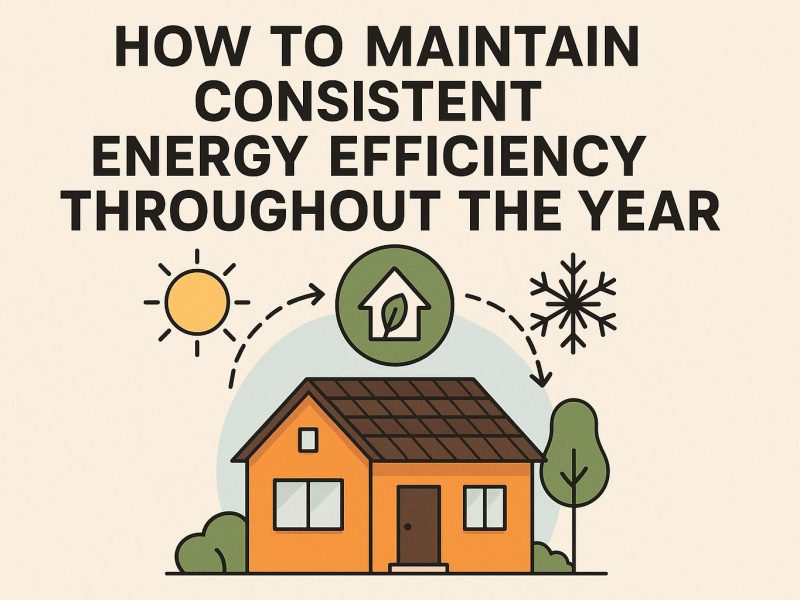
For homes in colder climates, south-facing windows are beneficial because they capture the sun’s warmth during the day, known as passive solar heating. This reduces the need for heaters and lowers energy costs. Conversely, in warmer climates, it may be advantageous to minimize direct sunlight by using natural shading or reflective barriers to keep the house cool.
Thermal Mass and Insulation
A major component of energy-efficient design is managing heat flow through the use of thermal mass and insulation. Materials like concrete, brick, or stone have high thermal mass, which means they can absorb and store heat efficiently. During the day, these materials capture heat, keeping the home cooler, and release the stored heat during the night, maintaining a stable indoor temperature. This leads to a reduced dependency on mechanical heating and cooling systems.
Insulation complements thermal mass by reducing unwanted heat exchange between the indoors and outdoors. By preventing heat loss in the winter and reducing heat gain in the summer, insulation decreases the amount of energy needed for temperature regulation. This not only improves comfort but also results in significant energy savings.
Energy-Efficient Appliances and Lighting
Opting for energy-efficient appliances and lighting fixtures is another effective strategy to lower energy consumption. Modern appliances are designed to use less electricity without compromising performance. The Energy Star label on appliances signifies that they meet strict energy efficiency standards. Homeowners can save a significant amount of energy by choosing appliances that are Energy Star certified. Moreover, switching to LED lighting, which uses less power and lasts longer than traditional incandescent bulbs, is a straightforward way to increase energy efficiency.
For more information on Energy Star appliances, visit the official Energy Star website.
Renewable Energy Sources
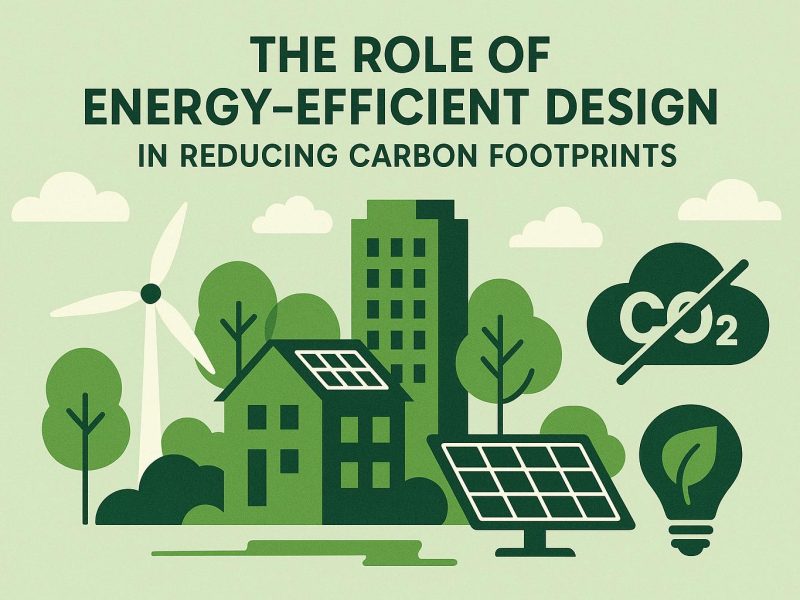
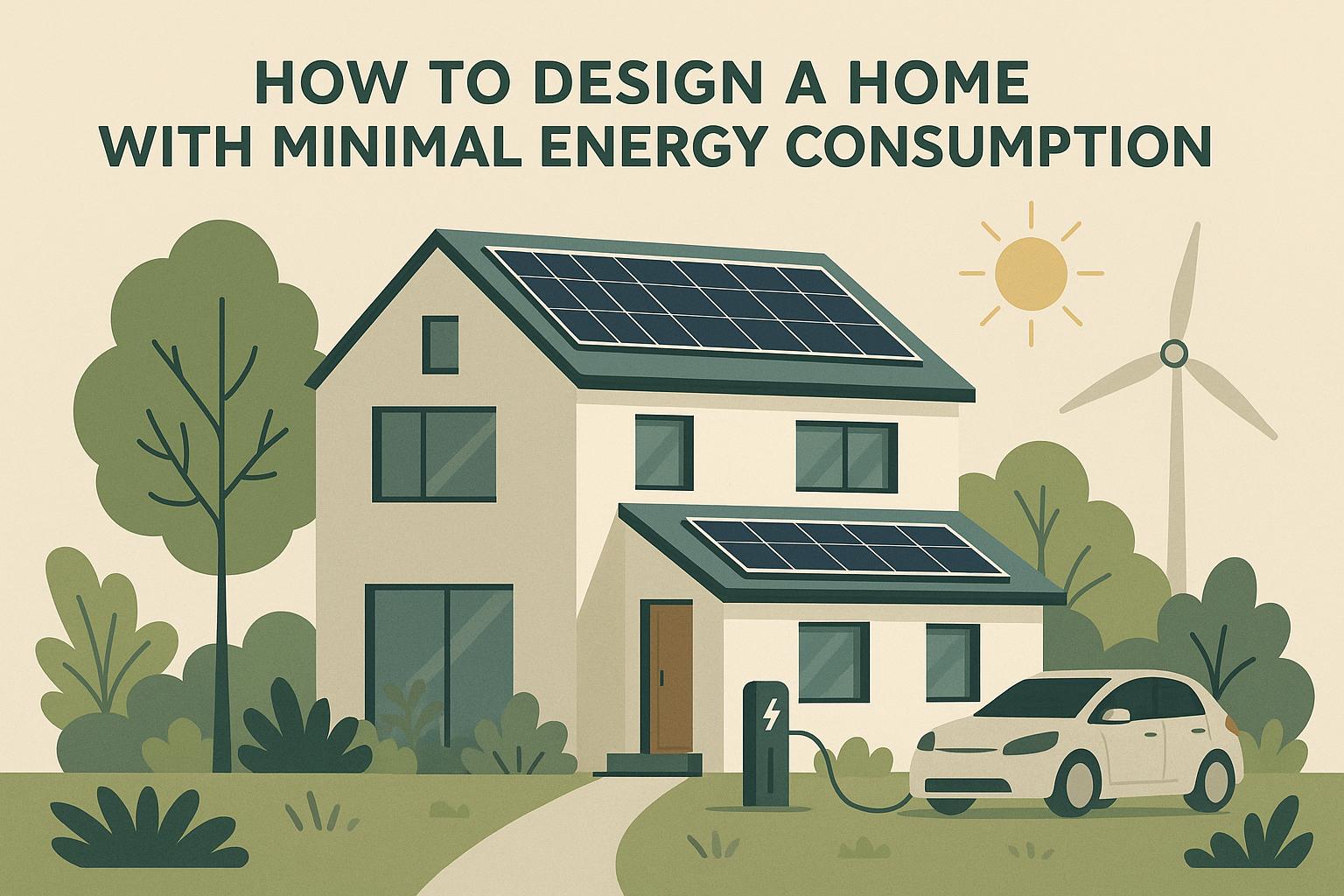
Incorporating renewable energy sources like solar panels and wind turbines in home design can significantly reduce reliance on non-renewable energy. Solar panels have become increasingly affordable and efficient, making them a viable option for generating electricity at home. They can be used to produce electricity and also for heating water, further decreasing energy demands.
Furthermore, wind turbines can be considered for locations with favorable wind conditions. Integrating renewable energy solutions not only contributes to environmental sustainability but may also offer financial incentives like tax credits or rebates, depending on local government policies.
Water Conservation and Management
Water conservation is an integral component of energy-efficient home design. Implementing water-conserving fixtures, such as low-flow faucets and dual-flush toilets, can dramatically reduce water usage. Additionally, water-efficient appliances, like dishwashers and washing machines, are designed to use less water and energy.
Another aspect of water management is utilizing greywater and rainwater harvesting systems. Greywater systems recycle water from sinks, showers, and washing machines for irrigation, while rainwater harvesting collects runoff for non-potable uses. Both systems decrease water waste and, in turn, the overall energy footprint of the home.
Advanced HVAC Systems and Smart Technology
Investing in advanced heating, ventilation, and air conditioning (HVAC) systems is critical for maximizing energy efficiency. Modern HVAC systems are designed for higher efficiency, using innovative technologies to regulate temperature while minimizing energy use. Smart thermostats, for instance, can learn a household’s occupancy patterns and adjust temperatures accordingly, optimizing energy usage.
Using a smart thermostat can lead to significant energy savings by only heating or cooling the home when necessary. For more details on smart thermostats, explore the Energy Star guide on smart thermostats.
Consideration of Building Materials
The choice of building materials has a significant impact on both the energy efficiency and sustainability of a home. Using recycled materials, sustainably sourced wood, and non-toxic finishes can enhance the energy performance of a home while promoting environmental health. These materials not only have lower environmental impacts but also often come with better insulation properties and durability.
Choosing locally sourced materials also reduces the carbon footprint associated with transportation, further contributing to energy efficiency. More sustainable choices in building materials can play a substantial role in the overall energy efficiency of a home.
Landscaping for Energy Efficiency
Lastly, strategic landscaping can enhance a home’s energy efficiency by taking advantage of natural elements. Planting deciduous trees around a home provides shade during the summer, lowering cooling costs, while allowing sunlight through during the winter due to the shedding of leaves, thus aiding in heating the home naturally. Ground cover plants, windbreaks, and reflective surfaces can also be used to reduce temperature extremes and support energy-efficient landscaping.
In conclusion, crafting an energy-efficient home requires a holistic approach that combines thoughtful design strategies, the careful selection of materials, and the integration of advanced technology. These elements work together to meet the needs of residents while conserving energy resources and contributing positively to the environment.