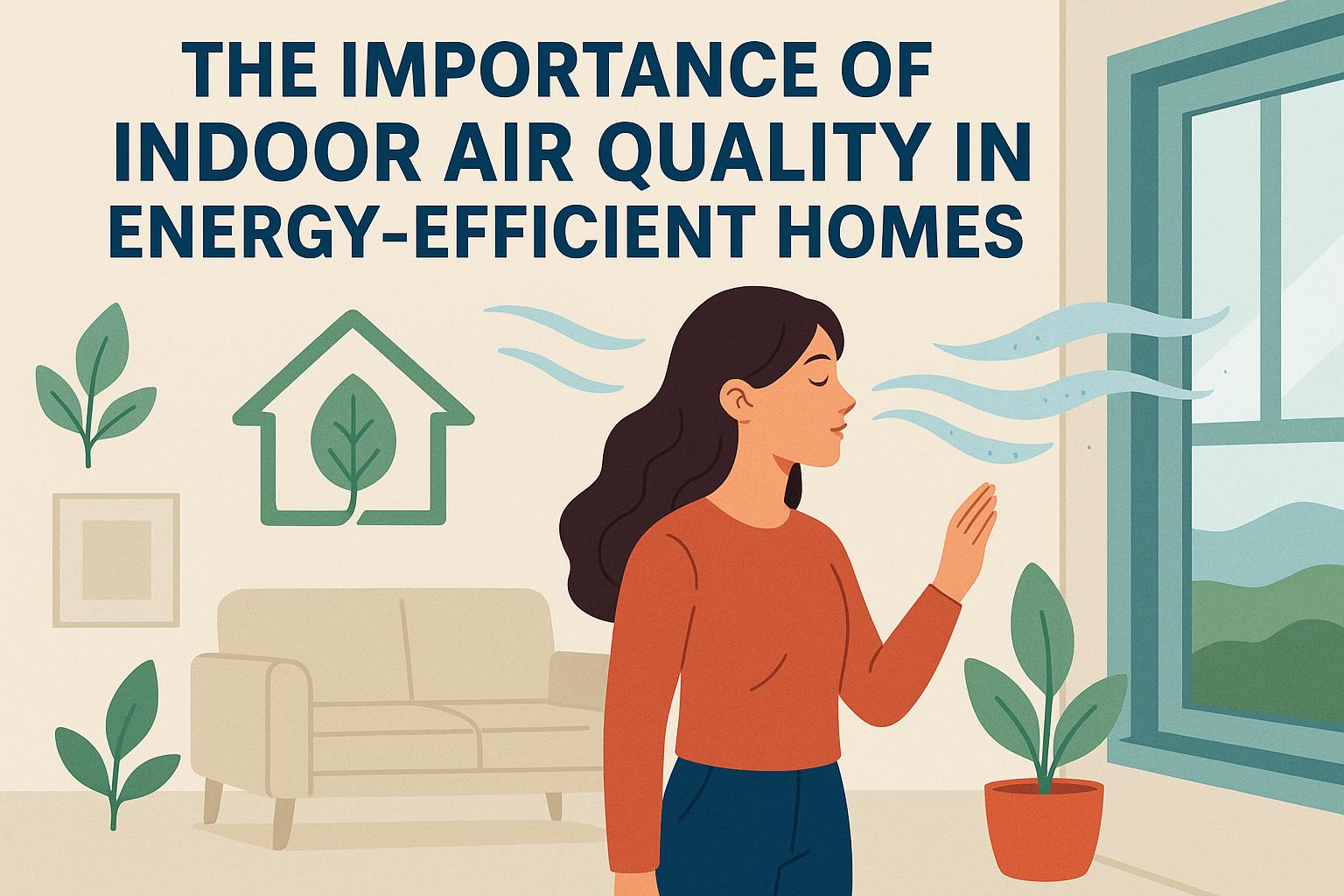
The Significance of Indoor Air Quality in Energy-Efficient Homes
The increasing trend towards energy-efficient homes has been largely driven by the goal of reducing energy consumption and lowering utility expenses. However, the impact of such homes on indoor air quality (IAQ) should not be underestimated. Energy-efficient homes are typically designed to be tightly sealed, minimizing air leakage to maintain a consistent indoor temperature. While this results in energy savings, it can inadvertently influence the quality of the indoor air, which is crucial for the well-being of the occupants.
Understanding Indoor Air Quality (IAQ)
Indoor Air Quality pertains to the characteristics of the air around and within a building, particularly concerning the health and comfort of those who reside or work in it. IAQ is influenced by various factors including ventilation, humidity levels, and the presence of air pollutants. In energy-efficient homes, where the focus is on minimizing heat exchange between the indoors and outdoors, managing air quality becomes a complex yet essential task.
Challenges to IAQ in Energy-Efficient Homes
Energy-efficient homes often incorporate enhanced insulation and airtight sealing to improve energy savings. Such constructions effectively reduce unwanted heat loss or gain, but they also limit the natural exchange of air. This can lead to the accumulation of indoor air pollutants such as volatile organic compounds (VOCs), increased levels of carbon dioxide, and heightened humidity. These factors can contribute to health issues amongst the occupants, including allergies, asthma, and other respiratory ailments.
Maintaining Optimal Indoor Air Quality
To achieve good indoor air quality in energy-efficient homes, several strategies can be adopted:
Ventilation Systems: Installing mechanical ventilation systems such as heat recovery ventilators (HRVs) or energy recovery ventilators (ERVs) can provide a continuous supply of fresh air while minimizing energy loss. These systems are designed to exchange indoor and outdoor air efficiently, sometimes even recovering energy lost during air exchange processes, boosting their efficiency.
Air Filtration: Incorporating high-efficiency particulate air (HEPA) filters into the home’s HVAC system can significantly improve air quality. HEPA filters are capable of trapping a majority of airborne particles like dust, pollen, and various contaminants, thereby promoting cleaner indoor environments.
Humidity Control: Appropriate humidity management is crucial to prevent mold growth and other moisture-related issues. This can be achieved using dehumidifiers or air conditioning systems that help maintain ideal humidity levels, enhancing comfort and air quality.
Source Control: Reducing the emission of VOCs and other pollutants at their source can considerably improve indoor air quality. This involves using low-emission paints, finishes, and cleaning agents to decrease the number of indoor pollutants released into the home environment.
The Role of Sustainable Building Practices
Integrating sustainable building practices is essential in preserving indoor air quality within energy-efficient homes. By choosing building materials that release fewer emissions and incorporating indoor plants, homeowners can improve the air quality within their homes. Indoor plants naturally contribute to air purification by absorbing carbon dioxide and releasing oxygen, thus enhancing air quality. Furthermore, keeping HVAC systems in excellent condition through regular maintenance ensures they operate efficiently and remain free from dust and mold, which support superior IAQ.
Conclusion
In summary, energy-efficient homes certainly present numerous benefits, including reduced energy bills and increased environmental sustainability. However, maintaining optimal indoor air quality must remain a central focus. When energy efficiency measures inadvertently reduce natural ventilation, proactive steps must be taken to ensure the health and comfort of residents. By acknowledging this challenge and implementing effective Indoor Air Quality management strategies, homeowners can transform their residences into not only energy-saving but also health-preserving sanctuaries. Consequently, energy-efficient homes can offer the perfect blend of efficiency and comfort, ensuring a living environment that is both resource-conscious and supportive of human health.