The Importance of Eco-Friendly Insulation Materials
In recent years, there has been a noticeable shift in the construction and home improvement sectors toward more sustainable practices. This shift is driven by the rising awareness of environmental concerns and the necessity to reduce energy consumption. Among various sustainable building initiatives, the adoption of eco-friendly insulation materials is gaining significant traction. These materials not only reduce the environmental impact of buildings but also offer numerous practical advantages for homeowners and builders alike. In this article, we will explore the multifaceted benefits of integrating eco-friendly insulation materials into construction projects.
Energy Efficiency and Thermal Comfort
One of the most compelling arguments for using eco-friendly insulation materials is their potential to substantially enhance energy efficiency within buildings. Unlike some traditional insulation options, these materials are designed to offer superior thermal resistance. This capability ensures that indoor temperatures remain stable, thereby reducing the reliance on energy-intensive heating and cooling systems. Consequently, homeowners who adopt these sustainable insulation options can notice a marked decrease in their monthly energy bills. Beyond the obvious financial benefits, this reduction in energy consumption also plays a critical role in minimizing the overall carbon footprint of a household.
Employing eco-friendly insulation thus becomes an essential strategy in the effort to combat climate change. By optimizing the thermal efficiency of a home, these materials contribute significantly to the global endeavor of energy conservation.
Reduced Environmental Impact
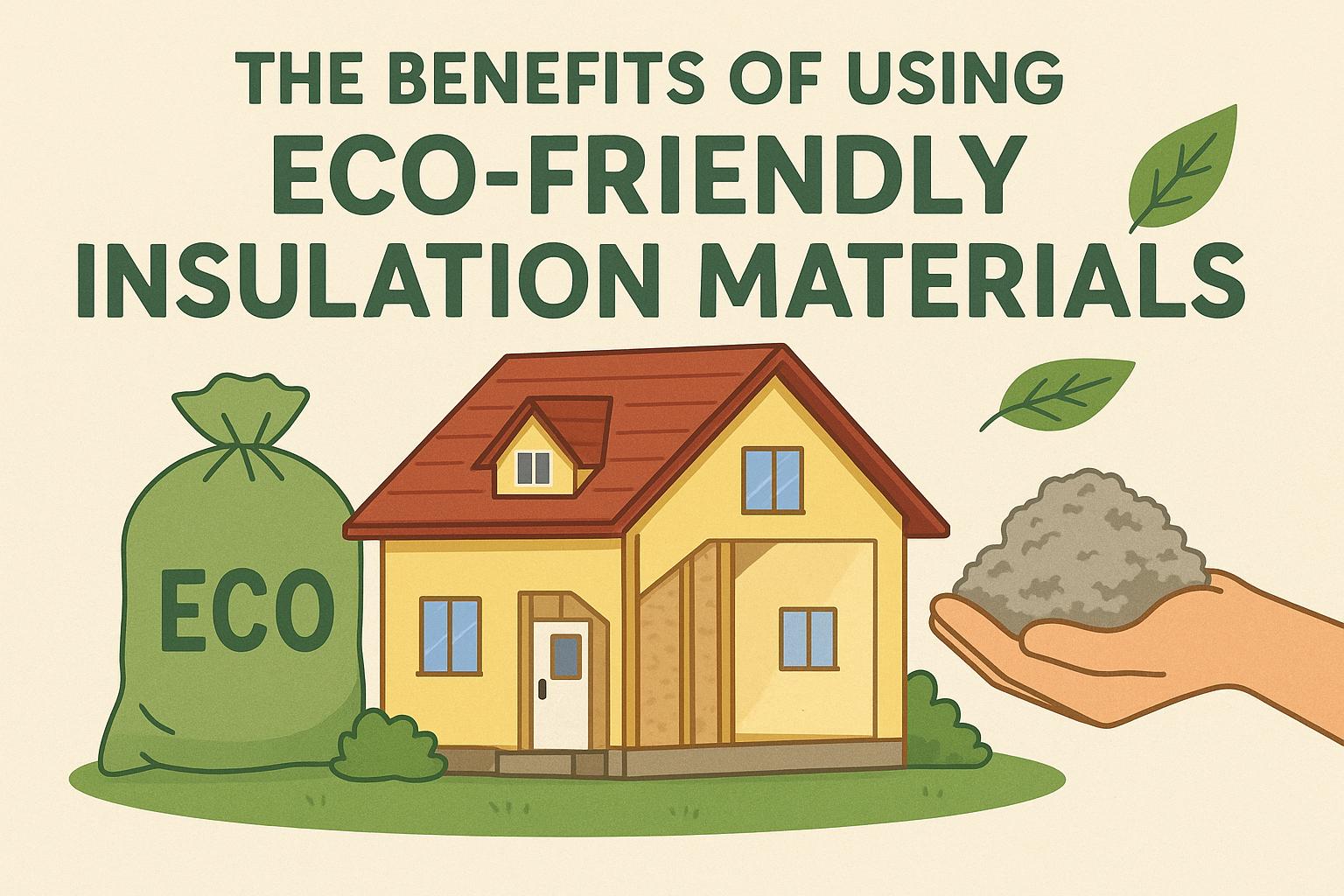
A fundamental attribute of eco-friendly insulation materials is their reduced environmental impact across their lifecycle–from production to disposal. Many of these materials, such as cellulose, sheep wool, and hemp, are manufactured using recycled content or sourced from rapidly renewable resources. This contrasts sharply with conventional synthetic insulation materials, which often incur a high environmental cost during production and disposal.
By opting for insulation materials that are either bio-based or recycled, builders can greatly reduce the ecological footprint of their construction projects. The use of these eco-conscious alternatives supports the principles of a circular economy, wherein materials are reused, repurposed, and recycled, minimizing waste and pollution.
Improved Indoor Air Quality
Another significant advantage of employing eco-friendly insulation materials is their non-toxic nature, which directly influences the quality of indoor air. Traditional insulation types can sometimes emit volatile organic compounds (VOCs) and other hazardous chemicals, compromising the indoor air quality and potentially affecting occupant health. Eco-friendly insulation solutions are typically devoid of such harmful emissions.
For residents, particularly those with sensitivities, allergies, or respiratory conditions, the absence of VOCs translates into a healthier and more comfortable living environment. Ensuring good indoor air quality is crucial for maintaining overall well-being, and eco-friendly insulation materials are a proactive way to achieve this.
Durability and Longevity
Longevity and durability are other important considerations when selecting insulation materials. Many eco-friendly options come with natural properties that enhance their resilience. For instance, sheep wool insulation has a unique capability to absorb and release moisture without degrading its insulating potential. This inherent durability not only extends the life span of the insulation but also curtails the need for frequent repairs and replacements.
The longevity of eco-friendly insulation materials means that homeowners can enjoy lasting performance benefits without the cycle of constant maintenance. This reliability is yet another factor that makes sustainable insulation a smart investment for environmentally-conscious homeowners.
Conclusion
Incorporating eco-friendly insulation materials into building designs is more than just a trend; it is a crucial component of sustainable architecture. These materials provide numerous practical and ecological benefits, from improved energy efficiency and thermal comfort to enhanced indoor air quality and durability. They represent a compelling solution for anyone involved in the construction or renovation of homes, offices, or other buildings who wish to align their practices with sustainable development goals.
Moreover, they provide a pathway to energy-efficient living, which not only curtails costs but also fosters a healthier planet. For those interested in reducing their environmental impact through home improvement projects, more information on sustainable building practices can be found on the Department of Energy’s website, offering a wealth of resources on energy-efficient solutions.
As the momentum for eco-friendly building grows, the choice to use such materials becomes an opportunity to significantly contribute to environmental preservation while reaping the practical benefits that these materials offer. The transition towards eco-friendly building practices underscores a shared responsibility to steward our natural resources wisely while delivering comfortable and energy-efficient living spaces.